Quranic Answer
The remembrance of God, or 'Dhikr Allah,' is the backbone of spiritual life in Islam. The Holy Quran constantly calls believers to engage in abundant remembrance, but the real challenge lies in keeping this remembrance vibrant, dynamic, and impactful, preventing it from becoming a lifeless habit or a mechanical repetition. Islam seeks worship with a present heart and deep awareness, not just a set of movements and words devoid of spirit. To prevent the remembrance of God from becoming a mere habit, we must pay attention to and cultivate various dimensions of our connection with the Creator. This requires conscious and continuous effort. First, and perhaps most fundamentally, is the cultivation of 'presence of heart' (Hudhur al-Qalb) and 'sincerity' (Ikhlas). The remembrance of God should not merely be a movement of the tongue; it must originate from the depths of the heart. The Quran clearly emphasizes the importance of the heart's state in worship. For instance, in Surah Az-Zumar (39:22), it states: "So woe to those whose hearts are hardened against the remembrance of Allah." This verse is a warning to those for whom remembrance has become ineffective, and their hearts are no longer moved by it. Sincerity means that the remembrance of God and every other act of worship is performed purely for the pleasure of the Lord, not for show or merely to fulfill a duty. In Surah Al-Bayyinah (98:5), we read: "And they were not commanded except to worship Allah, [being] sincere to Him in religion, inclining to truth." When the heart is present and the intention is pure, remembrance transcends habit and transforms into a profound spiritual experience. Second is 'reflection' (Tadabbur) and 'understanding the meaning' of what we recite and say. Often, the repetition of Dhikr and Quranic verses occurs without contemplating their meanings. The Quran itself invites us to reflect upon its verses. In Surah Al-Imran (3:190-191), Allah describes the characteristics of 'Ulul Albab' (people of understanding) as follows: "Indeed, in the creation of the heavens and the earth and the alternation of the night and the day are signs for those of understanding. Who remember Allah while standing or sitting or [lying] on their sides and give thought to the creation of the heavens and the earth." These verses show that true remembrance of God is accompanied by thought and reflection on the greatness of creation and divine power. When we deeply ponder the meaning of 'Subhan Allah' (Glorified is Allah) or 'Alhamdulillah' (All praise is due to Allah), these words transcend mere repetition and become a source of insight and gratitude. Third, 'extending the remembrance of God to all moments of life' and 'self-awareness' (Muraqabah). The remembrance of God should not be limited to prayer times or morning and evening Dhikr. Rather, it should be an effort for the continuous presence of God in the mind and heart. Every action we undertake, from waking up to eating, from working to resting, can be accompanied by the remembrance of God. Saying 'Bismillah' (In the name of Allah) before starting anything and 'Alhamdulillah' (All praise is due to Allah) after completing it are examples of extending remembrance into daily life. This state of 'Muraqabah'—constant awareness of God's presence and supervision—prevents heedlessness and emptiness. In Surah Al-Baqarah (2:152), it states: "So remember Me; I will remember you. And be grateful to Me and do not deny Me." This verse indicates a reciprocal relationship; our conscious remembrance leads to a divine response that gives meaning to our lives and lifts them out of routine. Fourth, 'variety in forms of remembrance' and 'renewing intention.' Limiting the remembrance of God to a single form, such as merely repeating one specific Dhikr, can, over time, turn it into a habit. One should experience different types of remembrance: reciting the Quran with contemplation, performing prayer with presence of heart, supplication (Du'a) and communion, contemplating the signs of God in the universe and within ourselves (Ayat Afaqi and Anfusi), and performing good deeds and serving creation, each of which is a form of remembering God. Furthermore, before each act of worship, we should consciously renew our intention; this small yet very effective act. The intention should go beyond 'I am praying' or 'I am reciting Dhikr' and elevate to 'I am praying for the pleasure of Allah' or 'I am reciting Dhikr to draw closer to Him and purify my heart.' Fifth, 'humility' (Khushu) and 'feeling of awe and hope.' The remembrance of God remains alive when it is accompanied by a sense of humility before His greatness, hope for His mercy, and fear of His accountability. Humility in prayer is a prime example of this state. When a person perceives themselves before the Lord, they instinctively move beyond a habitual state and turn to Him with their entire being. These spiritual states deepen remembrance and transform it from an outward act into a profound heartfelt connection. In Surah Taha (20:14), it says: "And establish prayer for My remembrance." This verse indicates that the primary purpose of prayer is the remembrance of God, and if this remembrance is not accompanied by humility and presence of heart, the prayer deviates from its purpose. In summary, preventing the remembrance of God from becoming a habit requires a comprehensive approach that includes presence of heart, sincerity, reflection on meanings, extending remembrance to all aspects of life, variety in worship, and accompanying it with humility and deep spiritual emotions. This is a continuous journey to deepen the connection with God that never ends and requires daily renewal and dynamism. Through these methods, the remembrance of God will not only avoid becoming a habit but will transform into a life-changing force, keeping the heart alive and nourishing the soul.
Related Verses
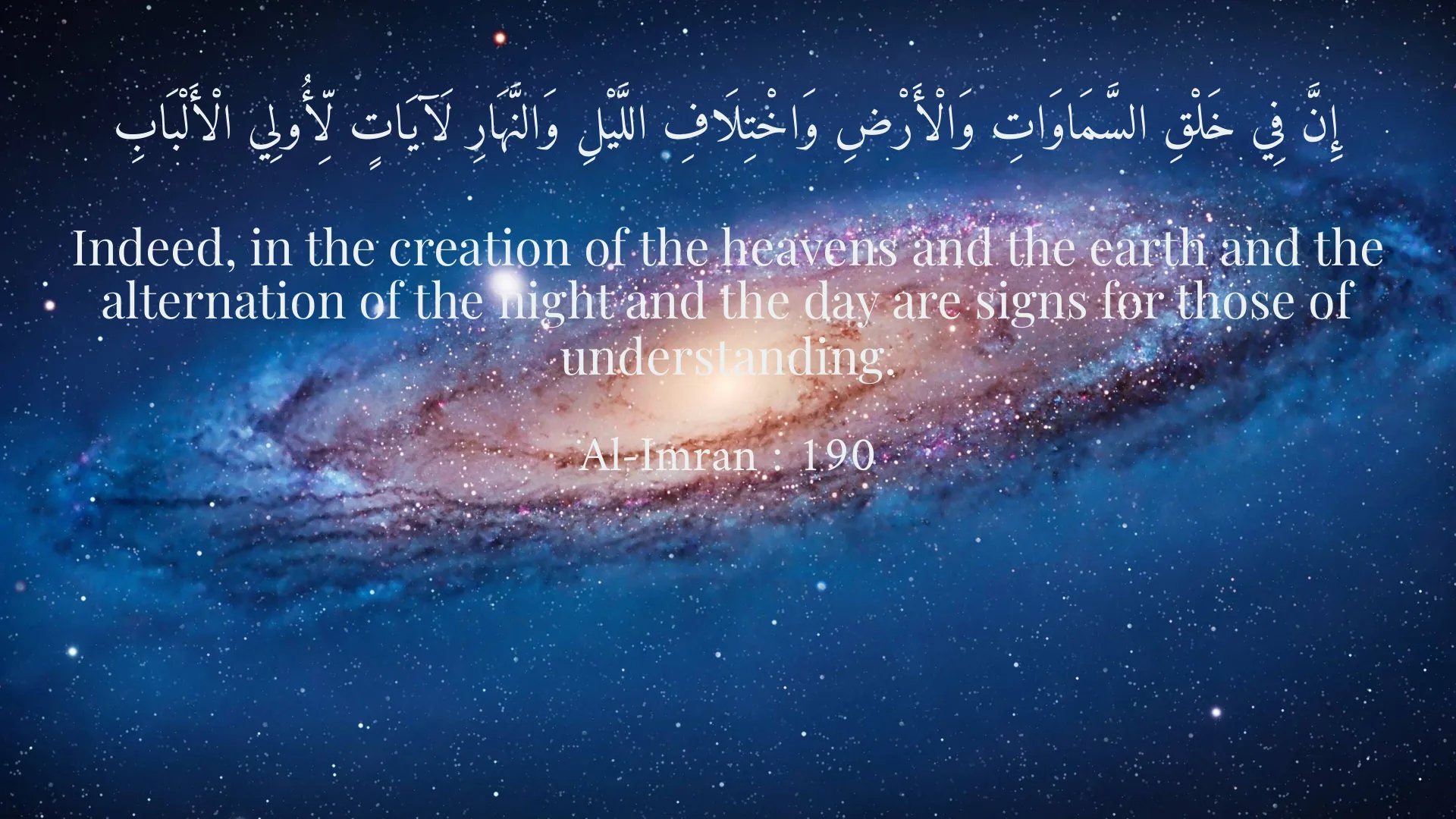
إِنَّ فِي خَلْقِ السَّمَاوَاتِ وَالْأَرْضِ وَاخْتِلَافِ اللَّيْلِ وَالنَّهَارِ لَآيَاتٍ لِّأُولِي الْأَلْبَابِ
Indeed, in the creation of the heavens and the earth and the alternation of the night and the day are signs for those of understanding.
Al-Imran : 190
الَّذِينَ يَذْكُرُونَ اللَّهَ قِيَامًا وَقُعُودًا وَعَلَىٰ جُنُوبِهِمْ وَيَتَفَكَّرُونَ فِي خَلْقِ السَّمَاوَاتِ وَالْأَرْضِ رَبَّنَا مَا خَلَقْتَ هَٰذَا بَاطِلًا سُبْحَانَكَ فَقِنَا عَذَابَ النَّارِ
Who remember Allah while standing or sitting or [lying] on their sides and give thought to the creation of the heavens and the earth, [saying], "Our Lord, You did not create this in vain; exalted are You [above such a thing]; then protect us from the punishment of the Fire."
Al-Imran : 191
إِنَّنِي أَنَا اللَّهُ لَا إِلَٰهَ إِلَّا أَنَا فَاعْبُدْنِي وَأَقِمِ الصَّلَاةَ لِذِكْرِي
Indeed, I am Allah. There is no deity except Me, so worship Me and establish prayer for My remembrance.
Taha : 14
فَاذْكُرُونِي أَذْكُرْكُمْ وَاشْكُرُوا لِي وَلَا تَكْفُرُونِ
So remember Me; I will remember you. And be grateful to Me and do not deny Me.
Al-Baqarah : 152
Short Story
In ancient times, there were two men: one a highly esteemed scholar renowned for his eloquent speech and beautiful recitation, who performed his daily prayers with utmost precision in pronunciation and movements, and took pride in his perfection. The other was a simple shepherd who tended his flock and possessed little formal knowledge. One day, the scholar passed by the shepherd and saw him sitting under a tree, gazing at the sky, whispering with tearful eyes: 'My Lord, You are the Master, and I am Your humble servant. I feel Your presence in every leaf, in every cloud. Forgive me if my words are not eloquent, but Your love encompasses my entire being.' The scholar initially dismissed the shepherd and scoffed at his worship, but then he was struck by the shepherd's deep tranquility and sincere tears. He realized that while his own prayers were outwardly flawless, they sometimes lacked the raw, heartfelt sincerity that radiated from the shepherd. The scholar learned that day that the true remembrance of God is not in words or form, but in the living connection of the heart; a connection that prevents worship from becoming a mere habit, transforming it instead into a continuous, fervent conversation with the Divine, keeping the spirit of devotion alive. He understood that the essence of servitude transcends mere outward appearance.