Quranic Answer
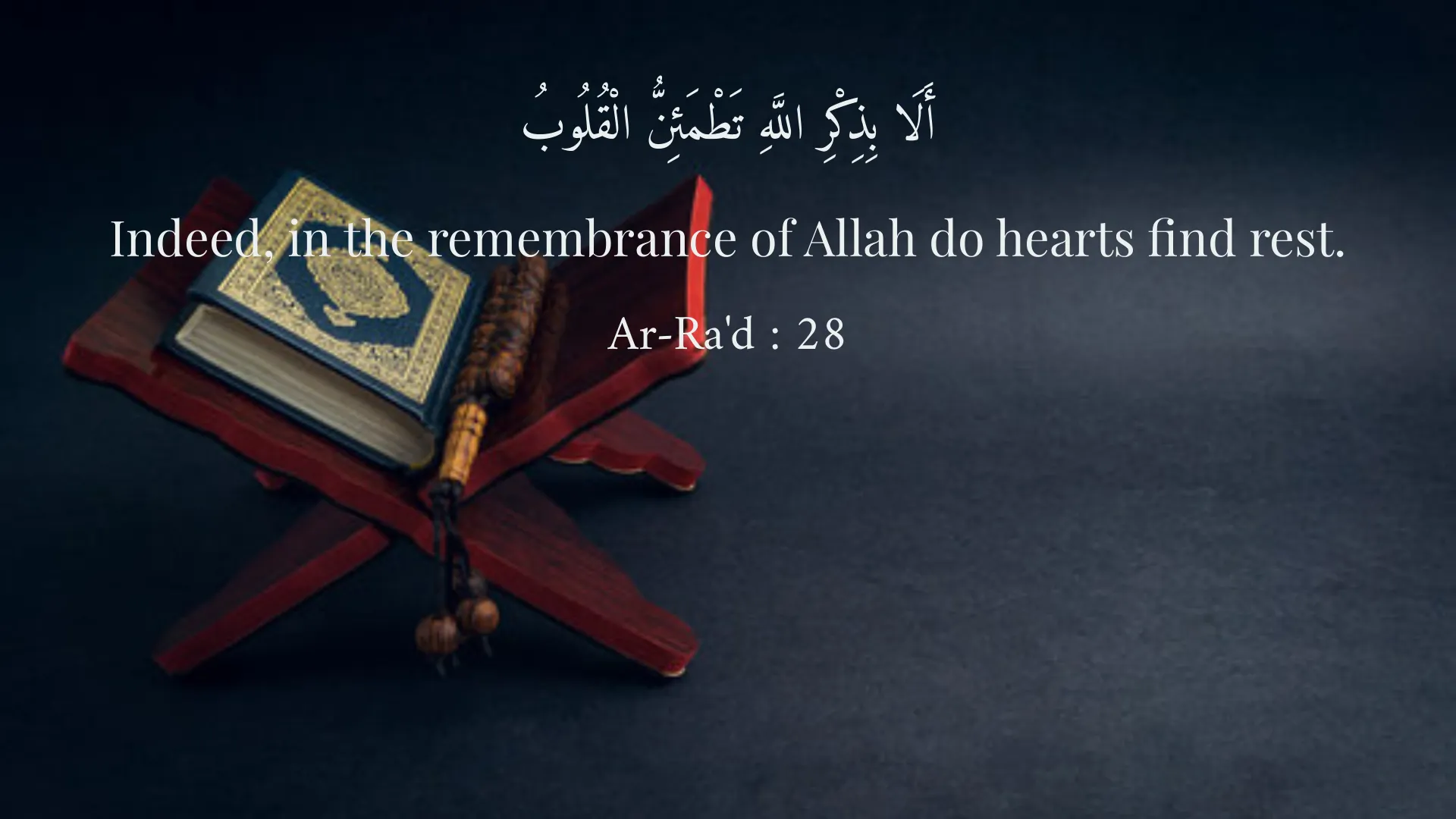
The concept of purifying the heart and nurturing a healthy spirit is a central theme in the Holy Quran, reflecting the spiritual framework of Islam that resonates deeply with the lives of its believers. The Quran not only guides individuals in their worship but also serves as a profound source for personal development and emotional well-being. Understanding the importance of heart purification sheds light on how one can cultivate a sense of peace, purpose, and connectivity to the divine. In this article, we will explore the various dimensions of heart purification, focusing on the remembrance of Allah, the significance of patience, the practice of prayer, the essence of seeking forgiveness, and fostering positive relationships with others. The first and foremost aspect of heart purification is the acknowledgment and remembrance of Allah, which serves as the foundation for spiritual tranquility. This is beautifully illustrated in Surah Ar-Ra’d, verse 28, where it states, 'Indeed, in the remembrance of Allah do hearts find rest.' This verse profoundly portrays how the act of remembering Allah becomes a source of solace in times of hardship and turmoil. In our fast-paced and often tumultuous lives, individuals may find themselves overwhelmed by stress, anxiety, and uncertainties. The Quran emphasizes that turning towards Allah in these moments can restore one's inner peace, allowing individuals to navigate their difficulties with a calmer mindset. Remembrance of Allah is not merely a physical act of reciting verses or prayers; it involves actively engaging one's heart and mind in recognizing the greatness of the Creator. This practice instills a sense of gratitude, appreciation, and humility within believers, reminding them of their dependence on Allah for guidance, support, and sustenance. Moreover, such remembrance fosters a deeper connection to one’s faith, propelling individuals towards a righteous path that encompasses compassion and empathy. Furthermore, patience and perseverance during adversities play an integral role in the process of heart purification. In Surah Al-Imran, verse 17, Allah articulates, 'those who are patient, and who persevere in adversity, they are the truthful and those guided.' This verse highlights that patience is not just a passive endurance of hardships; it is an active and conscious choice to maintain faith in Allah's wisdom and timing. When individuals face challenges, such as loss, disappointment, or personal struggles, the ability to remain patient reflects their deep-seated trust in Allah’s plan. Embracing patience is a transformative experience that nurtures inner strength and resilience. It allows individuals to rise above their circumstances and emerge as stronger beings. The Quran continuously reassures its followers that with every hardship comes ease (Surah Al-Inshirah, verse 5-6), emphasizing the importance of holding onto hope during trying times. Such a mindset not only purifies the heart but also transforms the individual’s outlook on life, leading to a more fulfilling existence. In addition to remembrance and patience, prayer is another vital component of heart purification. The act of prayer is a direct communication with Allah, serving as an opportunity to express gratitude, seek guidance, and ask for forgiveness. In Surah Al-Mu'minun, verse 60, it states, 'And those who hope in their Lord and perform righteous deeds seek forgiveness for their sins.' This verse underscores the idea that prayer is an essential means of returning to a state of purity and rectitude. Prayer acts as a spiritual anchor that grounds individuals and cultivates a sense of community. It fosters humility and reminds believers of their ultimate purpose in life: to worship and serve Allah. Engaging in regular prayer helps in setting a routine that enhances spiritual awareness and reinforces one's commitment to leading a life founded on righteous deeds. Moreover, prayer serves as a reminder of the transient nature of worldly affairs, encouraging individuals to invest in their spiritual growth and development. Seeking forgiveness is intrinsically linked to the act of prayer, and it plays a significant role in purifying the heart. In Islam, it is essential for individuals to acknowledge their imperfections and shortcomings, and to turn to Allah with sincerity for forgiveness. This act of seeking forgiveness not only cleanses the heart from sin but also fosters a sense of mercy and compassion towards others. Recognizing one’s own flaws leads to a deeper understanding of the human condition, prompting individuals to embrace empathy and kindness. Lastly, the impact of positive interactions with others can significantly contribute to the purity of one's heart. The Quran, in Surah An-Nur, verse 30, emphasizes maintaining a pure vision and being free from impurities, which can also be interpreted within the context of interpersonal relationships. The way individuals treat each other reflects their inner state; hence, fostering healthy, respectful, and compassionate interactions is crucial for heart purification. By practicing generosity, kindness, and understanding, individuals cultivate an atmosphere of love and support that nourishes their spirit. Positive relationships serve as a mirror, reflecting one’s own character and virtue, and they enhance one’s overall well-being. Additionally, the collective righteousness of a community can hold much power in shaping individual behaviors and actions, creating a ripple effect that uplifts the entire society. In conclusion, purifying the heart is an ongoing journey that necessitates the remembrance of Allah, patience, prayer, seeking forgiveness, and fostering positive interactions with others. The teachings of the Quran provide invaluable guidance for individuals striving to achieve a state of spiritual purity and inner peace. By embodying these principles, believers not only enhance their own lives but also contribute positively to the lives of those around them. True purification of the heart leads to a deeper connection with Allah, a more meaningful existence, and a harmonious relationship with oneself and others. Ultimately, the quest for a pure heart is one of the noblest pursuits, one that invites individuals to lead lives filled with purpose, love, and compassion.
Related Verses
أَلَا بِذِكْرِ اللَّهِ تَطْمَئِنُّ الْقُلُوبُ
Indeed, in the remembrance of Allah do hearts find rest.
Ar-Ra'd : 28
وَالصَّابِرِينَ وَالصَّادِقِينَ وَالْقَانِتِينَ
And those who are patient and who persevere in adversity, they are the truthful and those guided.
Al-Imran : 17
وَالَّذِينَ يَرْجُونَ رَبَّهُمْ وَيَعْمَلُونَ الصَّالِحَاتِ يَسْتَغْفِرُونَ
And those who hope in their Lord and perform righteous deeds seek forgiveness for their sins.
Al-Mu'minun : 60
Short Story
Once there was a man who felt heavy-hearted and worried. He sought the wisdom of the village elders to relieve his burden. One of the elders told him that blessings lie in the remembrance of Allah and that he should dedicate more time to worship and reflection on God. Inspired by this advice, the man decided to spend a bit more time each day in remembrance of his Creator. Over time, he noticed his heart felt lighter and his worries diminished.