Quranic Answer
The concept of a 'perfect human' (Insan Kamil) is not explicitly defined with this specific title in the Holy Quran. However, the Quran presents a comprehensive and clear image of the ideal human being, one who is righteous, pious, benevolent, and ultimately successful in the eyes of God, by meticulously describing the attributes and characteristics of such individuals. These characteristics encompass a wide range of spiritual, ethical, practical, and social qualities. By adhering to these principles, a person can attain the highest levels of proximity to God and achieve prosperity in both this world and the hereafter. The Quran outlines a path for self-improvement and spiritual development, and anyone who treads this path is moving towards perfection. The first and most fundamental characteristic of a complete human being from the Quranic perspective is pure monotheism (Tawhid) and unwavering faith in the One God. This faith is not merely a mental assent but a profound conviction that manifests in all aspects of an individual's life. The perfect human acknowledges God as the sole Creator, Sustainer, and Director of the universe, associating no partners with Him. This pure monotheism keeps them far from any hidden or overt polytheism, leading them to place their trust solely in God. In the opening verses of Surah Al-Baqarah, the righteous (Al-Muttaqin) are described as those who believe in the unseen, establish prayer, and spend from what God has provided them. This illustrates the foundations of true faith and righteous deeds. Belief in the Day of Judgment and accountability is also an inseparable part of this conviction, serving as the primary motivation for performing good deeds and refraining from sins. The second crucial characteristic is Taqwa (God-consciousness and piety). Taqwa signifies self-restraint and adherence to divine limits in all matters of life. The God-conscious person constantly fears God and perceives themselves as being in His presence, thereby refraining from sins and striving towards good deeds. The Quran repeatedly emphasizes the importance of Taqwa, considering it the criterion for human superiority: "Indeed, the most noble of you in the sight of Allah is the most righteous of you" (Al-Hujurat, Verse 13). This Taqwa is reflected in all dimensions of an individual's personal, familial, and social life, guiding them towards justice, fairness, truthfulness, and trustworthiness. A person with Taqwa is obedient to God in both easy and difficult times, and refrains from sin even when alone. Righteous deeds (Amal Saleh) and benevolence towards creation (Ihsan) constitute the third pillar of the perfect human. Faith without righteous action is fruitless. The perfect human is not only concerned with themselves but also feels a sense of responsibility towards society and those around them. They help the needy, maintain family ties, show kindness to parents, are gentle with neighbors, and strive to promote good and virtue. Surah An-Nahl, verse 90, states: "Indeed, Allah orders justice and good conduct and giving to relatives and forbids immorality and wrongdoing and oppression. He admonishes you that perhaps you will be reminded." This verse beautifully articulates all dimensions of justice, beneficence, and kindness to kinsfolk, alongside the prohibition of indecency and oppression. The perfect human not only enacts justice but goes beyond it, engaging in acts of kindness and performing good deeds with sincerity of intention. Patience (Sabr) and gratitude (Shukr) are also prominent attributes of the perfect human. Worldly life is full of ups and downs, hardships and ease. The perfect human shows patience in the face of difficulties and calamities, content with divine decree. They understand that every hardship contains wisdom, and that patience earns immense reward from God. In Surah Al-Baqarah, verse 153, God says: "O you who have believed, seek help through patience and prayer. Indeed, Allah is with the patient." Furthermore, they are grateful for blessings, viewing them as means for greater obedience to God and assisting creation. Their gratitude is not merely verbal but is also demonstrated in their actions, as they utilize blessings in rightful ways. Knowledge (Ilm) and wisdom (Hikmah) are fundamental components of human perfection in the Quran. The Quran places great importance on contemplation, reflection, and the acquisition of knowledge, inviting humans to study the horizons and themselves. The perfect human continuously seeks to increase their knowledge and insight to better understand the realities of existence and utilize them for guidance and service to humanity. They pay attention to divine wisdom in phenomena and, with insight, distinguish between truth and falsehood. Humility and avoidance of arrogance are other qualities that distinguish the perfect human. The Holy Quran strongly forbids arrogance and pride, considering them satanic attributes. The perfect human is humble, even at the peak of success, considering themselves a humble servant of God and never falling prey to self-admiration or conceit. They respect the rights of others and treat people with gentleness and kindness. In conclusion, the perfect human in the Quran is a comprehensive and dynamic model of a true servant of God whose life is built upon monotheism, piety, righteous deeds, patience, gratitude, knowledge, wisdom, and humility. This perfection is not a static point but a continuous journey of self-improvement, spiritual purification, and striving for greater proximity to God, which propels a person towards growth and elevation at every moment of life. These attributes not only lead to the individual's salvation in the hereafter but also bring happiness and tranquility to their worldly life, making them a righteous example for others. All these qualities reached their zenith in the character of Prophet Muhammad (PBUH), who is considered the highest example of the perfect human in the Quran and Sunnah.
Related Verses
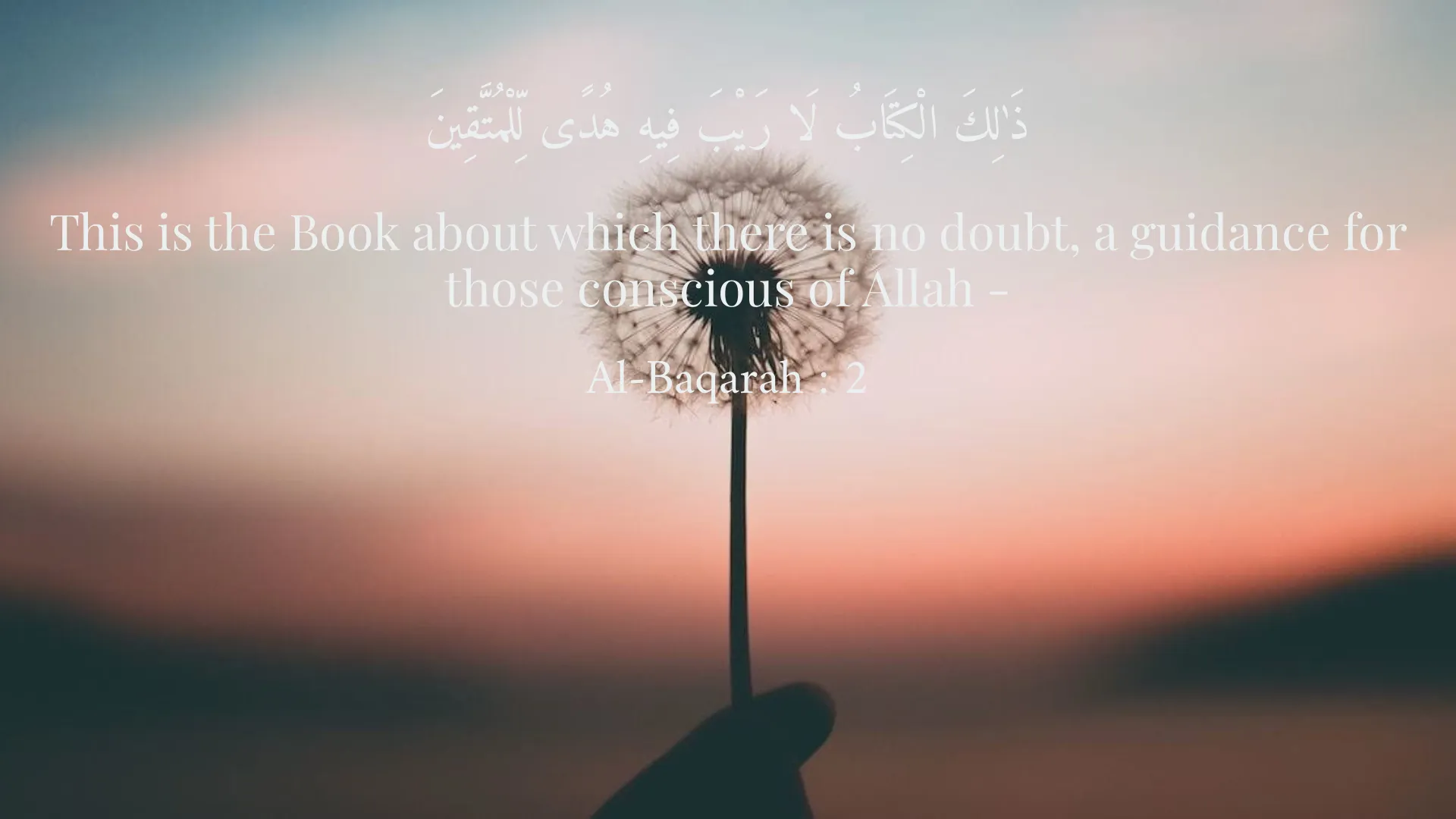
ذَٰلِكَ الْكِتَابُ لَا رَيْبَ فِيهِ هُدًى لِّلْمُتَّقِينَ
This is the Book about which there is no doubt, a guidance for those conscious of Allah -
Al-Baqarah : 2
الَّذِينَ يُؤْمِنُونَ بِالْغَيْبِ وَيُقِيمُونَ الصَّلَاةَ وَمِمَّا رَزَقْنَاهُمْ يُنفِقُونَ
Who believe in the unseen, establish prayer, and spend from what We have provided for them,
Al-Baqarah : 3
لَّيْسَ الْبِرَّ أَن تُوَلُّوا وُجُوهَكُمْ قِبَلَ الْمَشْرِقِ وَالْمَغْرِبِ وَلَٰكِنَّ الْبِرَّ مَنْ آمَنَ بِاللَّهِ وَالْيَوْمِ الْآخِرِ وَالْمَلَائِكَةِ وَالْكِتَابِ وَالنَّبِيِّينَ وَآتَى الْمَالَ عَلَىٰ حُبِّهِ ذَوِي الْقُرْبَىٰ وَالْيَتَامَىٰ وَالْمَسَاكِينَ وَابْنَ السَّبِيلِ وَالسَّائِلِينَ وَفِي الرِّقَابِ وَأَقَامَ الصَّلَاةَ وَآتَى الزَّكَاةَ وَالْمُوفُونَ بِعَهْدِهِمْ إِذَا عَاهَدُوا وَالصَّابِرِينَ فِي الْبَأْسَاءِ وَالضَّرَّاءِ وَحِينَ الْبَأْسِ ۗ أُولَٰئِكَ الَّذِينَ صَدَقُوا ۖ وَأُولَٰئِكَ هُمُ الْمُتَّقُونَ
Righteousness is not that you turn your faces toward the east or the west, but [true] righteousness is [in] one who believes in Allah, the Last Day, the angels, the Book, and the prophets and gives wealth, in spite of love for it, to relatives, orphans, the needy, the traveler, those who ask [for help], and for freeing slaves; [and who] establishes prayer and gives zakat; [and who] fulfill their promise when they promise; and [who] are patient in poverty and hardship and during battle. Those are the ones who have been true, and it is those who are the righteous.
Al-Baqarah : 177
Short Story
It is narrated that one day a man said to a wise scholar, "O Master, for years I have been searching for a human being who could be called perfect, but I have not found one." The scholar smiled and said, "My friend, if you seek perfection in flawlessness and impeccability, you will never find it, for all human beings have imperfections. But if you see perfection in striving to draw closer to God, in doing good to others, and in self-improvement, then every day and every hour you will find someone who has taken a step on this path. One day I saw a young man who, despite his poverty, showed patience and, despite his own need, gave a morsel of bread to a hungry person. Had he not approached perfection at that moment?" The man nodded in agreement and understood that perfection is an endless journey, not a final destination, and everyone has a share in it according to their effort and divine grace.