Quranic Answer
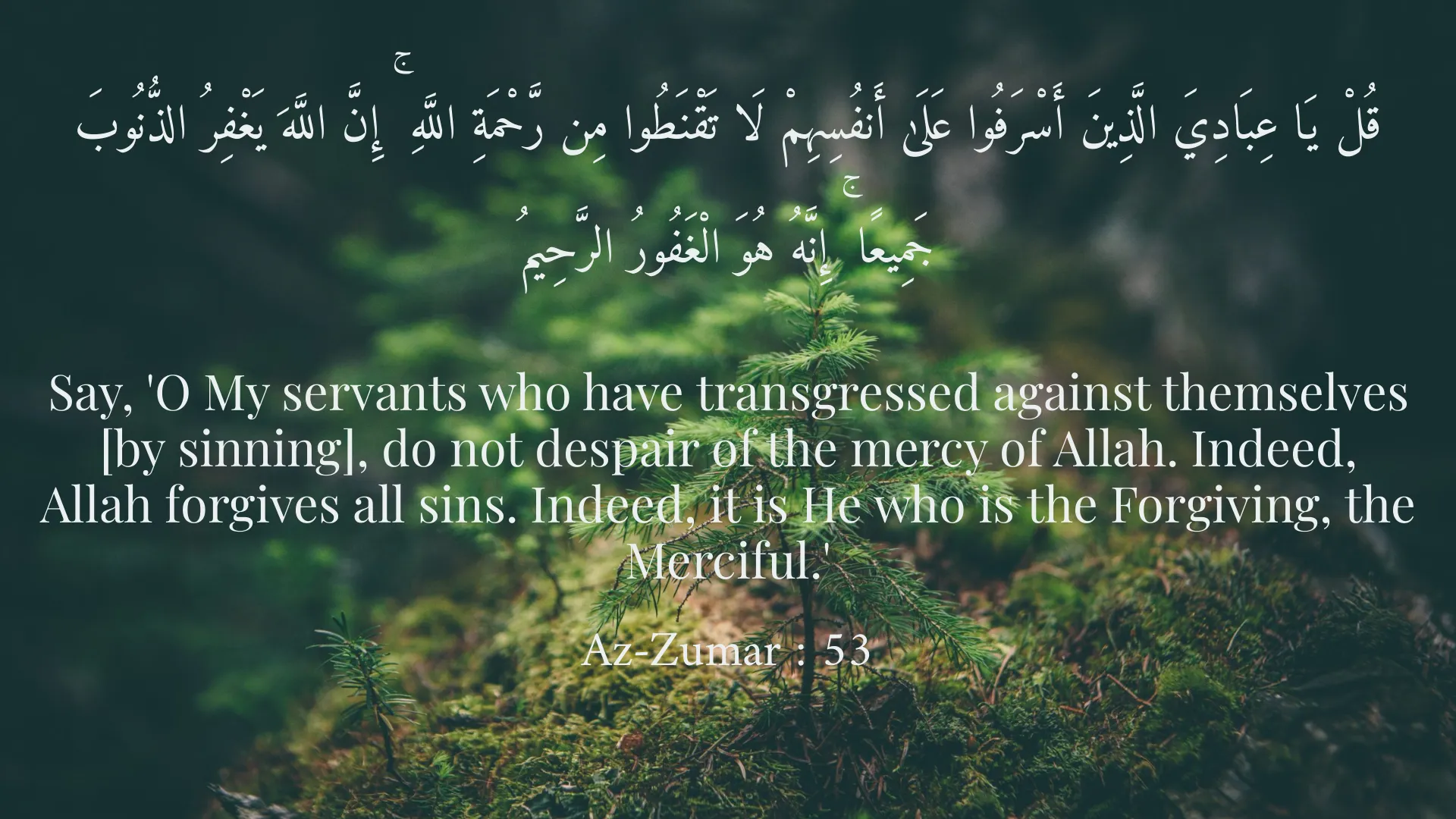
Reconciling with oneself is one of the deepest and most vital internal journeys any human being can embark upon. This concept often involves fully accepting oneself, forgiving past mistakes, coming to terms with imperfections, and achieving a state of inner peace and self-compassion. From the perspective of the Holy Quran and Islamic teachings, this reconciliation with oneself is not a self-centered process, but rather a profound outcome of a correct and close relationship with the Creator of the universe. The Quran offers comprehensive and fundamental solutions for achieving inner peace and freedom from self-reproach, which ultimately lead to self-reconciliation. One of the most central concepts the Quran presents for reconciling with oneself is 'Tawbah' (repentance). Tawbah is not merely a momentary regret, but a sincere and continuous return to God, accompanied by the firm intention and resolve to abandon sin and rectify past wrongs. The Holy Quran assures us that the door of Divine mercy is always open, and even the greatest sins can be forgiven through 'Tawbah Nasuh' (sincere repentance). In Surah Az-Zumar, verse 53, Allah Almighty states: "Say, 'O My servants who have transgressed against themselves [by sinning], do not despair of the mercy of Allah. Indeed, Allah forgives all sins. Indeed, it is He who is the Forgiving, the Merciful.'" This verse is a beacon of hope for anyone burdened by past sins or mistakes who finds it hard to forgive themselves. When Allah, our Creator, assures us that He forgives, it is also an invitation for us to forgive ourselves, provided that genuine and heartfelt repentance has taken place. Through Tawbah, a person not only mends their relationship with God but also lifts the heavy psychological burden of sin, paving the way for self-acceptance and reconciliation. Divine forgiveness helps individuals understand that they are valuable beings capable of returning and rectifying their paths, and this understanding is the first step towards self-acceptance and reconciliation. Beyond Tawbah, the concept of 'Dhikr' (remembrance of Allah) also plays an indispensable role in achieving inner peace and self-reconciliation. In Surah Ar-Ra'd, verse 28, Allah says: "Those who have believed and whose hearts are assured by the remembrance of Allah. Unquestionably, by the remembrance of Allah hearts are assured." Inner conflicts, feelings of guilt, and the inability to forgive oneself are often the result of drifting away from the primary source of peace, which is Allah. The remembrance of Allah, whether through prayer (Salah), supplication (Du'a), recitation of the Quran, or even contemplation of the grandeur of creation, purifies the heart from anxieties and satanic whispers that fuel self-condemnation. When the heart finds tranquility through the remembrance of Allah, it creates space for accepting oneself, including one's strengths and weaknesses, and the journey of growth ahead. This tranquility empowers individuals to view themselves realistically and kindly, avoiding destructive perfectionism that hinders self-reconciliation. Dhikr establishes a continuous connection with the source of hope and forgiveness, reminding individuals that they are not alone and are divinely supported. 'Sabr' (patience) and 'Taslim' (submission) to Divine decree are also crucial factors in reconciling with oneself. Sometimes, people blame themselves for events beyond their control or feel defeated for not achieving goals that were not part of Divine decree. The Quran teaches us that whatever befalls us, whether good or bad, is by Allah's permission, and we must exercise patience in facing it. This does not imply passivity, but rather accepting realities and striving to change what is within our power, coupled with reliance on Allah (Tawakkul). When one understands that every event holds wisdom and that Divine will prevails over everything, the burden of unnecessary self-reproach is eased. This understanding liberates an individual from the past and allows them to make peace with themselves by looking towards the future with hope in Allah's bounty. Furthermore, the Quran emphasizes the importance of 'Amal Salih' (good deeds) and serving others. When a person is struggling with themselves and feeling worthless, immersing themselves in serving others and performing good deeds can help them overcome this state. In Surah Hud, verse 114, it is stated: "Indeed, good deeds do away with evil deeds." Performing good acts not only purifies past sins but also strengthens one's sense of worth and purpose. When individuals see that they can have a positive impact on the world, they develop a more positive self-image, which leads to self-acceptance and ultimately, self-reconciliation. These good deeds are a form of practical repentance, demonstrating a change of direction and moving towards what pleases Allah. This change of direction naturally brings with it a sense of self-contentment. Ultimately, self-reconciliation within the framework of Islam is a comprehensive and spiritual process where an individual, utilizing tools such as Tawbah, Dhikr, Sabr, Tawakkul, and Amal Salih, strives not only to rectify their sins and mistakes but also to achieve inner peace through complete self-acceptance. This path is filled with hope in Divine mercy, teaching individuals that there is always an opportunity to improve, be forgiven, and ultimately, find peace with oneself and the universe. This peace stems from a deeper understanding of one's place in existence and a connection with the infinitely Merciful Creator, a connection that forms the cornerstone of any true tranquility and happiness. This is why the Quran continuously calls humanity to reflection, self-purification, and a return to their pure, God-given nature, so that in the light of this return, they may reconcile not only with God but with their entire being.
Related Verses
قُلْ يَا عِبَادِيَ الَّذِينَ أَسْرَفُوا عَلَىٰ أَنفُسِهِمْ لَا تَقْنَطُوا مِن رَّحْمَةِ اللَّهِ ۚ إِنَّ اللَّهَ يَغْفِرُ الذُّنُوبَ جَمِيعًا ۚ إِنَّهُ هُوَ الْغَفُورُ الرَّحِيمُ
Say, 'O My servants who have transgressed against themselves [by sinning], do not despair of the mercy of Allah. Indeed, Allah forgives all sins. Indeed, it is He who is the Forgiving, the Merciful.'
Az-Zumar : 53
الَّذِينَ آمَنُوا وَتَطْمَئِنُّ قُلُوبُهُم بِذِكْرِ اللَّهِ ۗ أَلَا بِذِكْرِ اللَّهِ تَطْمَئِنُّ الْقُلُوبُ
Those who have believed and whose hearts are assured by the remembrance of Allah. Unquestionably, by the remembrance of Allah hearts are assured.
Ar-Ra'd : 28
وَمَن يَعْمَلْ سُوءًا أَوْ يَظْلِمْ نَفْسَهُ ثُمَّ يَسْتَغْفِرِ اللَّهَ يَجِدِ اللَّهَ غَفُورًا رَّحِيمًا
And whoever does evil or wrongs himself but then seeks forgiveness of Allah will find Allah Forgiving and Merciful.
An-Nisa : 110
Short Story
It is narrated in Saadi's Gulistan that a just king asked a wise man: "What is the secret to inner peace?" The wise man replied: "O King, true peace lies in not regretting the past and not fearing the future. And this cannot be achieved unless you constantly see yourself before the Truth (God) and return to Him at every moment. When a servant sincerely reconciles with his Creator, it is as if he has reconciled with his entire being. For sin and self-reproach are like thorns in the heart, and repentance and forgiveness pluck out that thorn. Whoever makes peace with God has made peace with himself." The king was delighted by this wise saying and subsequently found a deep peace within his heart.