Quranic Answer
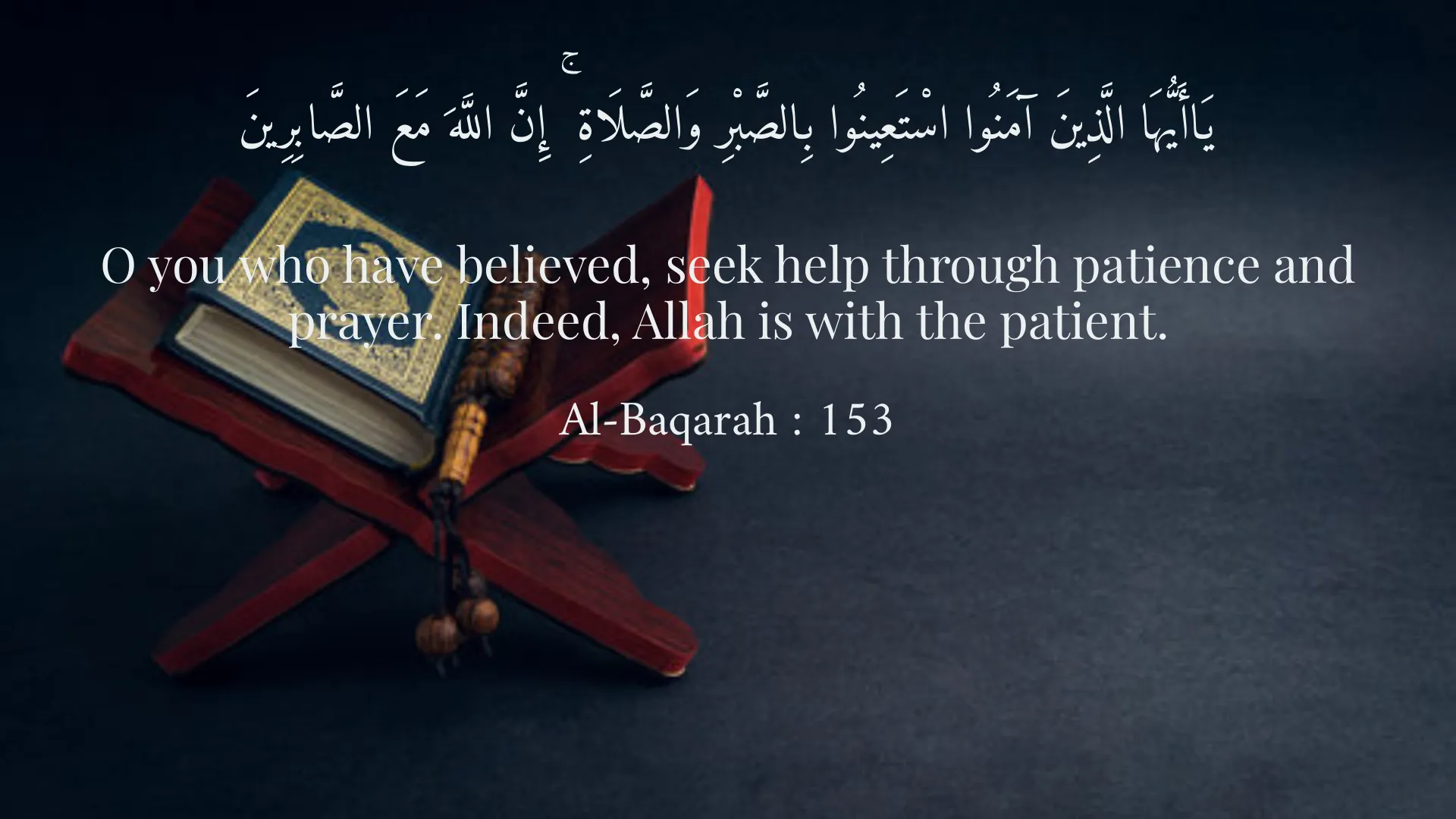
In the Holy Quran, Allah provides profound guidance on how to maintain calmness and serenity in times of hardship and difficulties. Life is filled with myriad challenges ranging from personal struggles, societal pressures, to existential dilemmas. In such turbulent times, the teachings of the Quran emerge as a beacon of hope, offering strategies to foster tranquility and resilience. One of the most poignant verses addressing this topic is found in Surah Al-Baqarah, verse 153, which states: "O you who have believed, seek help through patience and prayer. Indeed, Allah is with the patient." This verse encompasses a crucial tenet of Islamic belief: the interplay between patience and prayer as effective means of coping with adversity. Patience, or ‘Sabr,’ is greatly emphasized in Islam as a virtue that strengthens individuals and communities alike. It propels believers to endure difficulties with a steadfast heart, reminding them that trials are but a part of life’s journey. When confronted with challenges, the act of being patient can serve as a protective shield against despair. Moreover, prayer, or ‘Salah,’ not only plays a role in the spiritual adherence of believers but also acts as a critical method for calming the storm within. The discipline of regular prayer provides individuals with a moment of reflection and connection to Allah, creating a sacred space where worries can be surrendered. By resorting to these two practices, one can cultivate resilience and steadfastness in the face of life's adversities. Prayer fosters an intimate connection with the Creator, reinforcing the notion that one is not alone in their struggles. In moments of difficulty, turning towards Allah in prayer becomes a source of strength and solace, helping believers navigate through trials with a clear mind and composed heart. The recognition that Allah's presence is with the patient serves to uplift spirits and instill hope. Furthermore, Surah Al-Imran, verse 139 offers another layer of understanding of maintaining calmness during difficult times: "And do not grieve or be sad; and you will be superior if you are believers." This verse highlights the significance of faith in enabling individuals to rise above feelings of despair and negativity. Belief in God and His ultimate wisdom encourages individuals to refrain from succumbing to feelings of sorrow. Instead, they are divinely commanded to embrace hope, knowing that their faith will grant them strength to overcome any challenge. The notion that faith shields believers from vulnerability to negative emotions is reiterated throughout various verses in the Quran. In fact, the remembrance of Allah is emphasized as a fundamental practice that alleviates distress. Surah Ar-Ra'd, verse 28 states: "Indeed, the remembrance of Allah brings tranquility to the hearts." This verse underscores the therapeutic effects of invoking remembrance of Allah amidst chaos. The act of dhikr (remembrance), which includes reciting Quranic verses, praising Allah, and engaging in reflective thought, provides believers with inner peace and a sense of belonging. It nurtures an environment of tranquility within the heart, allowing individuals to find comfort even in the most tumultuous situations. Moreover, the spiritual practice of supplication (‘Dua’) further reinforces this aspect of reliance on God. Through making supplications, believers express their vulnerabilities, seeking divine assistance and guidance. The act itself is a testament to faith, reaffirming the belief that Allah is the ultimate caretaker and that He is always present to listen. This connection not only enhances one’s spiritual resilience but also serves to ground one’s thoughts, pushing aside the noise of distress. Additionally, maintaining perspective during trials is vital for achieving a calm demeanor. It is important to remember that hardships are transient and often serve as tests of faith rather than permanent states of being. Struggles can lead to personal growth, increased empathy for others experiencing difficulties, and a deeper understanding of divine wisdom. Developing a positive mindset by recognizing the potential benefits of trials aids in alleviating feelings of hopelessness. Faith encourages believers to acknowledge the dual nature of life, which is characterized by both ease and hardship. Each person’s journey is unique, and the Quran reassures individuals that with every hardship comes ease, as articulated in Surah Al-Inshirah, verse 5: "For indeed, with hardship [will be] ease." This repeated reminder serves to bolster one’s faith and urges believers to retain hope and patience, especially when facing daunting situations. Engaging with a supportive community can also aid in coping with hardships. Islam places significant emphasis on community and the collective pursuit of compassion. Surrounding oneself with understanding and supportive individuals provides not only emotional support but also reinforces communal prayers and remembrance of Allah. These collective practices amplify the impact of individual prayers, manifesting a greater sense of peace and collective strength. In summary, the teachings of the Quran offer a profound roadmap for maintaining calmness during life’s most challenging moments. Patience and prayer emerge as the cornerstones of resilience, with the firm belief that Allah is always present to provide support and guidance. Coupled with the remembrance of Allah and a supportive community, individuals can navigate through adversity with grace and tranquil minds. Embracing the lessons of patience, faith, and the remembrance of Allah is essential in cultivating a spirit that remains unshaken even amidst the storms of life, revealing the inherent beauty and wisdom in the challenges faced. Ultimately, by relying on God's mercy and striving to maintain patience and faith, one can experience an enduring calmness that transcends the surface-level difficulties of life. The Quran not only serves as a spiritual guide but also as a comprehensive resource for those seeking to achieve inner peace and resilience in times of distress.
Related Verses
يَاأَيُّهَا الَّذِينَ آمَنُوا اسْتَعِينُوا بِالصَّبْرِ وَالصَّلَاةِ ۚ إِنَّ اللَّهَ مَعَ الصَّابِرِينَ
O you who have believed, seek help through patience and prayer. Indeed, Allah is with the patient.
Al-Baqarah : 153
وَلَا تَهِنُوا وَلَا تَحْزَنُوا وَأَنتُمُ الْأَعْلَوْنَ إِن كُنتُم مُّؤْمِنِينَ
And do not grieve or be sad; and you will be superior if you are believers.
Al-Imran : 139
أَلَا بِذِكْرِ اللَّهِ تَطْمَئِنُّ الْقُلُوبُ
Indeed, the remembrance of Allah brings tranquility to the hearts.
Ar-Ra'd : 28
Short Story
Once a young man named Amir was overwhelmed by his troubles. He remembered the verses of the Quran and decided to find peace through prayer and remembrance of God. He went to the mosque, and with the help of prayer and supplication, he experienced a great sense of lightness and calmness. This feeling made his problems seem like a minor challenge, allowing him to face them with a stronger heart.