Quranic Answer
Dear brothers and sisters, encountering unkindness is an experience that almost every human being goes through at some point in their lives. It is a significant test for our soul and heart, as in such moments, our natural instinct might be to retaliate or even seek revenge. However, the Holy Quran, the book of guidance and light, shows us a clear and elevated path to not only maintain our kindness in the face of unkindness but also to transform it into a tool for positive change and growth. This path requires patience, forgiveness, and a conscious choice to respond to evil with good. One of the most central Quranic teachings in this regard is the concept of 'Sabr' (Patience). Patience in the Quran is not merely about enduring and remaining silent; rather, it is an active and dynamic force that sustains a person when facing difficulties, harms, and adversities. Allah (SWT) emphasizes the importance of patience in numerous verses. In Surah Al-Baqarah, verse 153, Allah says: "O you who have believed, seek help through patience and prayer. Indeed, Allah is with the patient." This verse teaches us that patience is a powerful tool for overcoming hardships. When confronted with unkindness, patience helps us control anger and despair, preventing us from making hasty and regrettable reactions. Patience allows us the inner calm to choose the best response and draw strength from divine sources. The next and very crucial step is 'Afw' (Forgiveness) and 'Safh' (Overlooking faults). The Quran repeatedly encourages believers to forgive and overlook. In Surah Al-Imran, verse 134, the characteristics of the righteous are described as: "Those who suppress anger and pardon people; and Allah loves the doers of good." This verse indicates that suppressing anger—not allowing it to overwhelm us and lead us to unwise behaviors—and then forgiving the faults of others, are traits of true believers. Forgiveness is not only beneficial for the person who committed the unkindness but, more importantly, for ourselves. When we forgive, we lift the heavy burden of resentment from our hearts and prepare our souls to receive divine tranquility. This act of overlooking is a sign of strength and magnanimity of the spirit, not weakness or inability. Perhaps one of the most beautiful and challenging commands in the Quran regarding this matter is the directive to 'repel with what is better.' In Surah Fussilat, verses 34 and 35, Allah says: "And not equal are the good deed and the bad. Repel [evil] by that which is better; then abruptly the one whom between you and him is enmity will become as though he was a devoted friend. But none is granted it except those who are patient, and none is granted it except one having a great portion [of good]." These verses show us that the best response to evil is not retaliation but kindness and beneficence. This approach can transform enmity into friendship and bring hearts closer. This method goes far beyond mere patience; it is an active strategy for mending relationships and transforming hearts. For example, if someone speaks harshly to you, you can respond with calm and soft words; if someone turns their back on you, you can show them that your kindness is not dependent on their behavior by making a good prayer for them and maintaining their human dignity. This action demonstrates spiritual independence and connection to the source of pure good (Allah). Remember that the primary goal of maintaining kindness is, in essence, to preserve the health of your own heart and soul. When we allow the unkindness of others to lead us toward anger, resentment, or vengeance, we effectively imprison ourselves in that negative energy. However, by choosing the path of kindness, even in the face of unkindness, we take control of our emotions and reactions. This is a greater jihad (struggle), a struggle against the commanding self (nafs al-ammarah) that inclines towards evil and retaliation. The Quran invites us to this struggle and promises a great reward for it. Finally, this path requires reliance on Allah (Tawakkul). When we face unkindness and decide to respond with patience, forgiveness, and goodness, we are, in essence, affirming our belief that Allah is the All-Seer and the ultimate Judge. He knows what is right and establishes justice. If we do good, even if we do not see a direct response from the other person in this world, our reward is preserved with Allah, and this itself is the greatest solace. By relying on Allah, our hearts find peace, and our kindness remains steadfast against waves of unkindness, like an unyielding rock. This is the way of the Prophets and the righteous, who, even in the face of the severest torment, showed nothing but mercy and kindness, becoming eternal role models for humanity. Maintaining kindness in the face of unkindness is a sign of the perfection of faith and depth of insight, leading to success in this world and the Hereafter. How to remain kind is a skill that is strengthened through practice and constant remembrance of the Quran's teachings. Each encounter with unkindness provides an opportunity to practice these virtues. This path not only frees you from the pain and suffering of animosity but also bestows upon you a steadfast character and a pure heart capable of radiating divine light in any situation. It is an active and continuous choice that, at every moment and in every situation, demonstrates your inner strength and brings you closer to Allah.
Related Verses
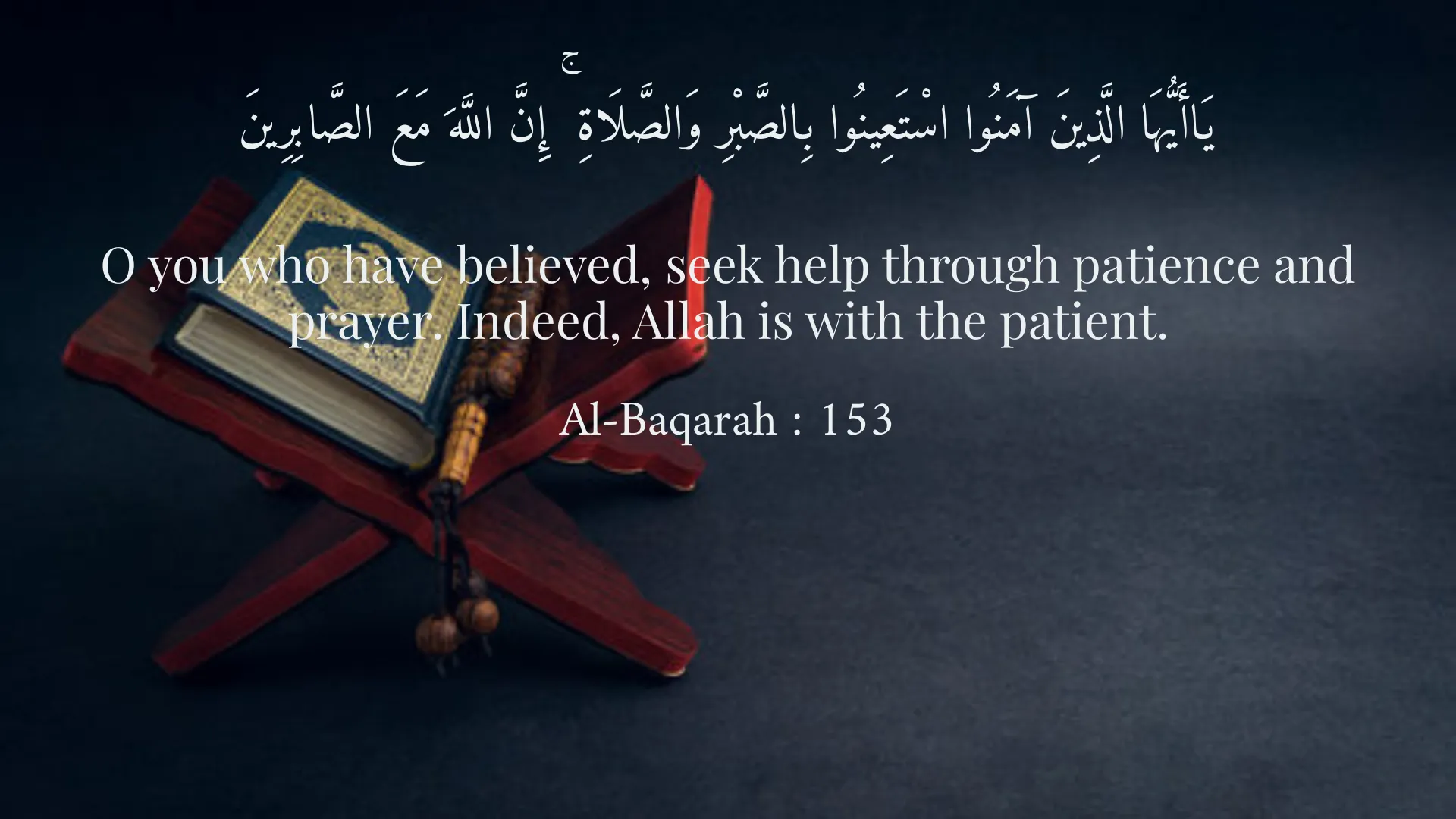
يَاأَيُّهَا الَّذِينَ آمَنُوا اسْتَعِينُوا بِالصَّبْرِ وَالصَّلَاةِ ۚ إِنَّ اللَّهَ مَعَ الصَّابِرِينَ
O you who have believed, seek help through patience and prayer. Indeed, Allah is with the patient.
Al-Baqarah : 153
وَلَا تَسْتَوِي الْحَسَنَةُ وَلَا السَّيِّئَةُ ۚ ادْفَعْ بِالَّتِي هِيَ أَحْسَنُ فَإِذَا الَّذِي بَيْنَكَ وَبَيْنَهُ عَدَاوَةٌ كَأَنَّهُ وَلِيٌّ حَمِيمٌ
And not equal are the good deed and the bad. Repel [evil] by that which is better; then abruptly the one whom between you and him is enmity will become as though he was a devoted friend.
Fussilat : 34
وَمَا يُلَقَّاهَا إِلَّا الَّذِينَ صَبَرُوا وَمَا يُلَقَّاهَا إِلَّا ذُو حَظٍّ عَظِيمٍ
But none is granted it except those who are patient, and none is granted it except one having a great portion [of good].
Fussilat : 35
الَّذِينَ يُنْفِقُونَ فِي السَّرَّاءِ وَالضَّرَّاءِ وَالْكَاظِمِينَ الْغَيْظَ وَالْعَافِينَ عَنِ النَّاسِ ۗ وَاللَّهُ يُحِبُّ الْمُحْسِنِينَ
Those who spend [in the cause of Allah] in ease and hardship and who suppress anger and who pardon people – and Allah loves the doers of good.
Al-Imran : 134
Short Story
In Saadi's Golestan, it is recounted that a man spoke harsh insults to a scholar. The scholar, with an open face and a smile, replied: "O young man, if what you say is true, may God forgive me; and if it is false, may God forgive you." The insulting man was so ashamed by this kindness and forgiveness that he fell at the scholar's feet, asking for pardon. The scholar, with utmost grace, lifted him up and said: "Responding to evil with good is the art of great men." This story teaches us that kindness, even in the face of unkindness, not only diminishes nothing from us but conquers hearts and transforms enmities into friendships.