Quranic Answer
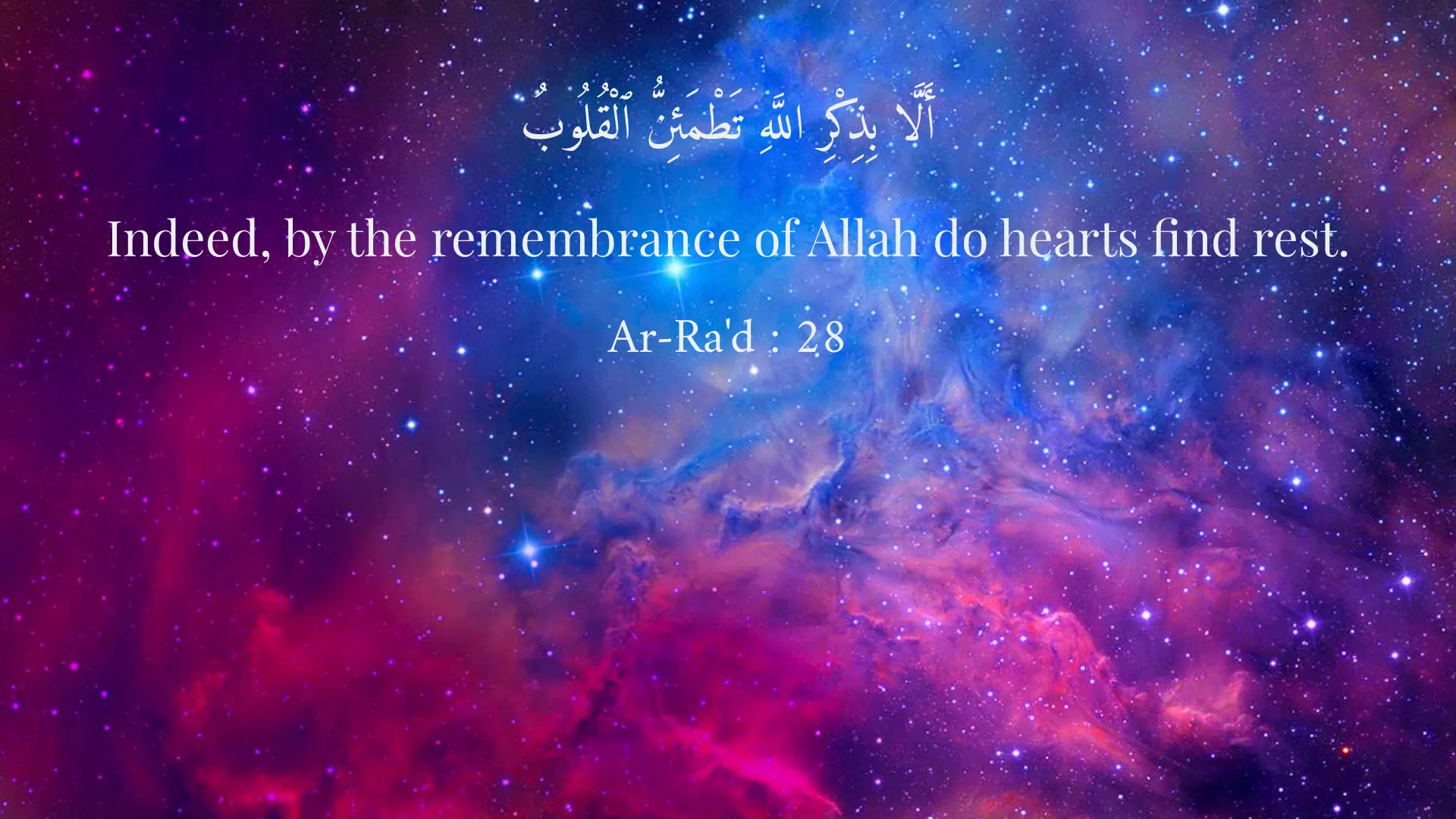
Taking care of a wounded heart is a sensitive and vital process that requires attention, understanding, and unwavering care. A heart, which symbolizes our emotions, is often the center of our feelings and reactions to life experiences. When it suffers, it may affect our overall well-being and mental health, making the act of healing it an essential task. The Holy Quran places significant emphasis on the heart and its emotions, highlighting the importance of nurturing our emotional health. In times of distress, it is essential to explore various methods to support and mend a wounded heart, fostering a connection with Allah, nurturing relationships, and focusing on positive thoughts. The concept of the heart in the Quran transcends the physical organ; it represents the core of human existence encompassing intellect, emotions, and spirituality. The Quran assigns immense significance to the heart, which is mentioned in various contexts, elucidating its importance in our daily lives. When we experience emotional turbulence or pain due to various life circumstances, seeking comfort through spiritual guidance is a natural response. One of the most profound ways to care for a wounded heart is through the remembrance of Allah and organized prayer. This connection serves to remind us that we are never alone in our struggles, fostering a sense of belonging and purpose. Surah Ar-Ra'd, verse 28, states, 'Indeed, by the remembrance of Allah do hearts find rest.' This verse articulates a very powerful message about the healing power that can be achieved through spirituality. Engaging in the remembrance of Allah by reciting His names, reflecting upon His attributes, and connecting through prayer can act as a soothing balm for our aching hearts. By building a continuous connection with Allah, we cultivate a profound understanding that our troubles are recognized by a higher power. This awareness can help alleviate our burdens, bringing about a sense of peace and tranquility to our wounded spirits. In addition to spiritual contemplation, it is also essential to open dialogue and share our thoughts with trusted friends or family members. Talking about our feelings can often relieve the emotional weight we carry, leading to an understanding of our experiences. This form of interaction not only assists in clarifying our emotions but also allows for the development of a supportive environment. Healthy relationships have the power to significantly improve our mental well-being — encouraging resilience and optimism, which are key aspects of healing. Engaging in positive activities also serves as a crucial component of heart care. Physical activities such as exercising, participating in sports, or practicing yoga are excellent ways to release pent-up tensions and create a more positive state of mind. Exercise results in the release of endorphins, hormones that act as natural mood lifters, reducing feelings of anxiety and stress. By engaging in activities that we enjoy, like painting, writing, or any form of art, we express our emotions creatively, facilitating healing and emotional growth. Moreover, focusing on positive thoughts can greatly influence our emotional healing process. Often, we unwittingly dwell on negative experiences, allowing them to overshadow the positive aspects of our lives. The practice of gratitude can shift this focus, enabling us to appreciate the blessings we have, thus fostering a healthier mindset. By consciously making an effort to recognize the good in our lives, we embrace a more balanced perspective that aids in healing our hearts. Therapies and practices aimed at exploring gratitude can include journaling positive experiences, reflecting on uplifting moments, or recognizing the efforts of those around us, reaffirming the importance of connections in our lives. The Quran further emphasizes the significance of patience in the face of trials and tribulations. Surah Al-Baqarah, verse 153, states: 'Seek help through patience and prayer.' This verse highlights the utility of patience and prayer during trying times. Patience acts as a shield, helping us to remain steadfast in the face of adversity and to seek Allah's guidance. It serves as both a strength and a foundation from which to approach our struggles. Embracing patience can lead us to a deeper understanding of ourselves, our relationships, and our connection with Allah. Feeling pain and emotional wounds is a natural aspect of the human experience. It is imperative to accept that healing is a journey, not a destination. It is vital for individuals to understand their emotional needs deeply. Allowing oneself to feel, grieve, and process these emotions is a necessary step toward recovery. Furthermore, developing self-compassion and understanding is pivotal in welcoming the healing process, embracing our vulnerabilities, and learning from our experiences. Ultimately, a person should surround themselves with a supportive environment, as healthy and positive relationships can greatly aid in improving mental well-being and bring peace to a wounded heart. Our interactions with friends, family, and loved ones shape our emotional landscape. It is an act of emotional intelligence to build connections based on mutual support, acceptance, and understanding. Creating healthy boundaries and ensuring that our environment reflects positivity can uplift our mood and foster healing. In conclusion, tending to a wounded heart is a delicate and transformative process that necessitates self-awareness, patience, and a nurturing approach. By finding solace in the remembrance of Allah, surrounding ourselves with supportive relationships, engaging in positive activities, practicing gratitude, and embracing patience, we can facilitate our journey toward healing. By integrating these elements into our lives, we not only care for our wounded hearts but also cultivate resilience, hope, and purpose amid the challenges we may face. The journey of healing becomes a roadmap of self-discovery, growth, and ultimately, a testament to the strength of the human spirit in overcoming life's adversities.
Related Verses
أَلَّا بِذِكْرِ اللَّهِ تَطْمَئِنُّ ٱلْقُلُوبُ
Indeed, by the remembrance of Allah do hearts find rest.
Ar-Ra'd : 28
يَا أَيُّهَا الَّذِينَ آمَنُوا اسْتَعِينُوا بِالصَّبْرِ وَالصَّلَاةِ ۚ إِنَّ اللَّهَ مَعَ الصَّابِرِينَ
O you who have believed, seek help through patience and prayer. Indeed, Allah is with the patient.
Al-Baqarah : 153
Short Story
One day, Maryam faced an emotional crisis and felt her soul was wounded. She decided to draw closer to Allah and pray every day. Gradually, with the remembrance of Allah and prayers, she found more peace and realized that connecting with others also helped her. Now, she starts every morning with the remembrance of Allah and shows more affection to her parents.