Quranic Answer
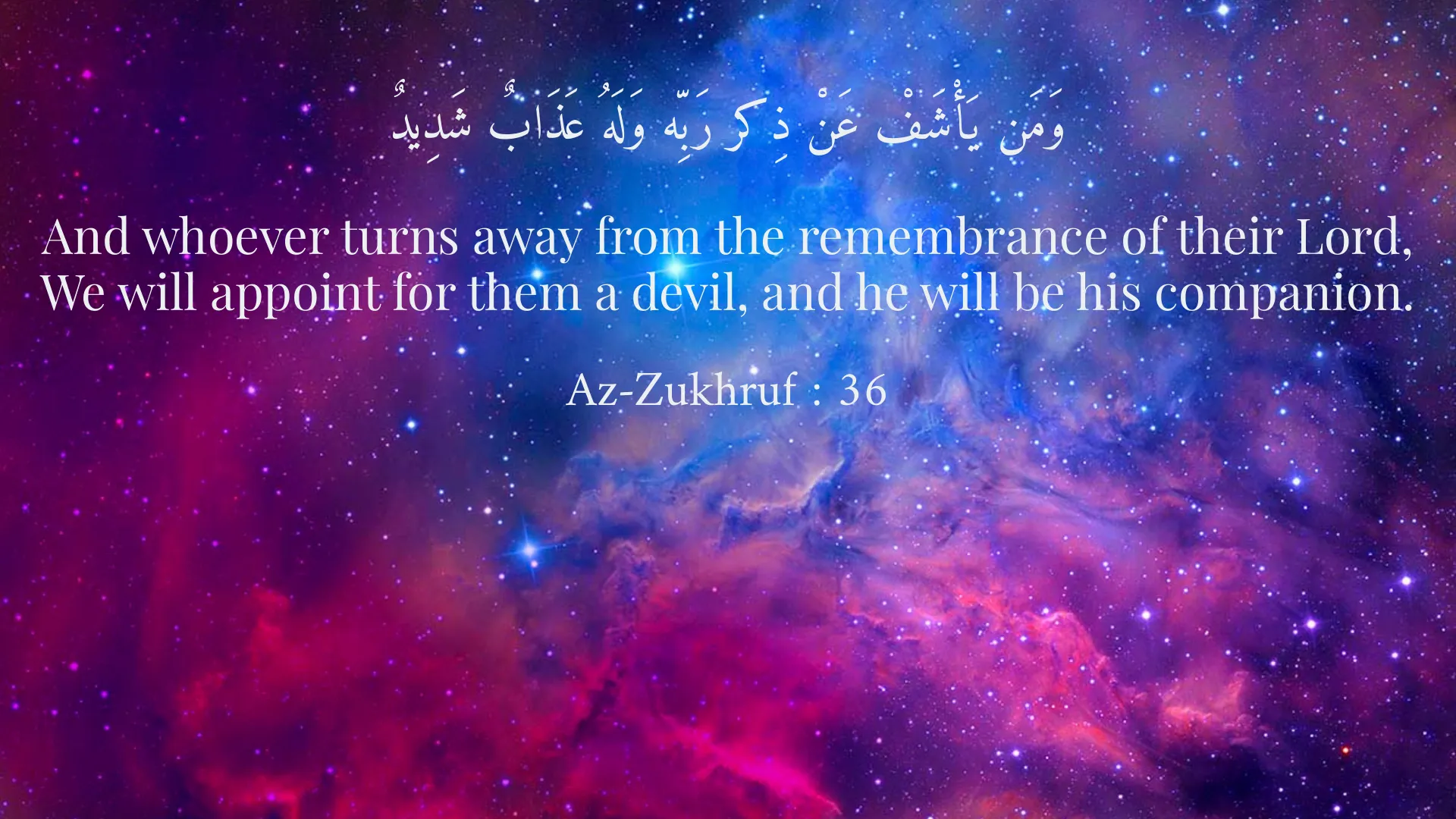
The Holy Quran, revered as the sacred text of Islam, serves not only as a source of guidance for Muslims but also as an intimate link to the divine. One of the fundamental aspects of this connection is the emphasis on prayer and remembrance of Allah (God), especially during the tranquil hours of the night. The beauty of night prayer and the importance of engaging in remembrance of Allah are themes that resonate profoundly within Islamic teachings, offering both solace and a deeper connection to spirituality. Nighttime has a unique significance within Islamic tradition. It is often perceived as a sanctuary for reflection, contemplation, and worship. This time allows believers to detach from the chaos of daily life and turn their hearts towards Allah. In Surah Az-Zukhruf (Chapter 43, Verse 36), Allah states, 'And whoever turns away from the remembrance of their Lord, We will appoint for them a devil, and he will be his companion.' This verse serves as a stark reminder that neglecting the remembrance of Allah can lead one astray. Consequently, engaging in night prayers and recitation of the Quran becomes not merely a practice but a vital act of faith that not only nourishes the soul but also protects it from spiritual downfall. Moreover, the significance of night prayers is beautifully encapsulated in Surah Al-Muzzammil (Chapter 73), where Allah instructs the Prophet Muhammad (peace be upon him), 'O you who wraps himself [in clothing], arise [to pray] at night, except for a little - half of it or subtract from it a little.' The commandment highlights the importance of nocturnal devotion and establishes the night as the preferred time for deep communion with God. The call to prayer during these sacred hours emphasizes the concept that believers are encouraged to rise above their comfort, seeking the company of their Creator in solitude, where one can focus intently on their supplications. The tranquility of the night creates an environment conducive to heartfelt prayer. Under the canopy of stars and the silence that envelops the world, individuals can engage in sincere dialogue with Allah. The darkness of night serves as a backdrop where vulnerabilities can be expressed, fears can be confided, and hopes can be shared. This is a transformative time when prayers can flow freely, invoking divine mercy and guidance. The stillness is often filled with a sense of peace that allows believers to articulate their innermost desires and grievances, seeking solace in the comfort of their faith. As the believer addresses Allah in the stillness of the night, they are enveloped in a profound sense of tranquility. This sacred solitude can foster an atmosphere of vulnerability where one can confront their shortcomings, reassess their life choices, and earnestly seek forgiveness. The act of shedding tears during these prayers, driven by sincerity and remorse, is regarded among the most beautiful acts of worship in Islam. Such moments are believed to bring one closer to Allah, as these emotional expressions reflect the purity of the heart and a yearning for divine guidance. Night prayers, or Tahajjud prayers, are particularly encouraged within Islamic traditions. The performance of Tahajjud, characterized by waking in the latter part of the night, brings immense spiritual rewards. It is said that during this time, Allah descends to the lowest heaven, ready to listen to the supplications of His servants, as described in various Hadiths (sayings of the Prophet Muhammad). This divine proximity instills hope that one’s prayers will receive special attention, reinforcing the bond between the believer and Allah. Additionally, engaging in night worship offers practical benefits. It cultivates discipline, encourages moments of quietude away from worldly distractions, and strengthens concentration in prayer and contemplation. Setting aside time at night for worship prevents the hustle and bustle of daily life from overshadowing personal faith, ensuring that believers maintain an active and vibrant relationship with Allah. In bustling societies where the pace of life is relentless, the act of dedicating time specifically for night worship becomes increasingly vital. It serves as a reminder to slow down, reflect, and reconnect with faith. The night, being a natural respite, presents an opportunity for many to seek refuge from their everyday concerns and stresses. Moreover, incorporating a ritual of night prayers cultivates mindfulness. Believers engaging in this practice are often more reflective about their daily actions, recognizing the intertwining of their worldly responsibilities with their spiritual obligations. As one immerses themselves in prayer, the heart quiets, allowing for a deeper understanding of life’s challenges through the lens of faith. In conclusion, the significance of engaging with Allah at night through remembrance and prayer transcends mere ritual; it is a path that leads to spiritual elevation and tranquility. Islamic teachings highlight that this quiet solitude is ripe for heartfelt connection and supplication. As Allah invites believers into His presence during these tranquil hours, the act of conversing with the divine transforms into one of the most cherished experiences of faith. Whether in the stillness of the night or the vulnerability of sincere prayer, believers find solace and a profound sense of closeness to their Creator. Thus, investing time in night worship is not only an obligation but a cherished opportunity to enrich one's spiritual life, fostering hope, healing, and a deeper understanding of the divine path.
Related Verses
وَمَن يَأْشَفْ عَنْ ذِكر رَبِّه وَلَهُ عَذَابٌ شَدِيدٌ
And whoever turns away from the remembrance of their Lord, We will appoint for them a devil, and he will be his companion.
Az-Zukhruf : 36
يَا أَيُّهَا الْمُزَّمِّلُ قُمِ اللَّيْلَ إِلَّا قَلِيلًا
O you who wraps himself [in clothing], arise [to pray] at night, except for a little.
Al-Muzzammil : 2
Short Story
One night, a man named Hasan rose to worship and pray in the silence. He felt lonely and worried, yearning for peace. Hasan decided to converse with God in the stillness of the night. He asked Allah for guidance and tranquility. With every word, he found more peace, and his heart was cleansed by the worship and love of God.