Quranic Answer
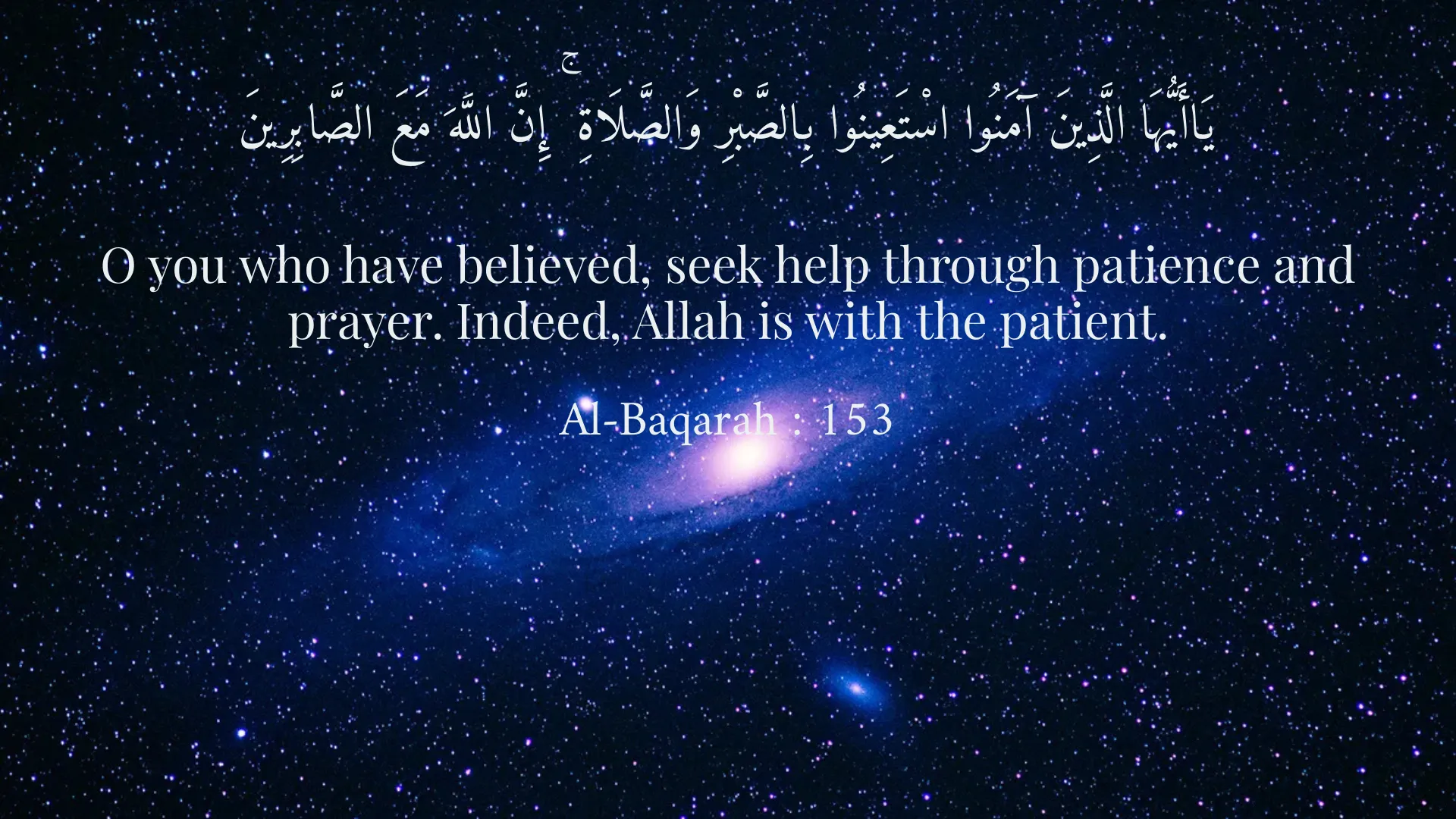
Patience is one of the most cherished virtues in many cultures and religions, and its significance is particularly emphasized in the Holy Quran. The concept of patience, or "sabr" in Arabic, conveys an unwavering commitment to endure life's challenges with grace and resolve. This article will explore the importance of training children in patience by modeling it ourselves, illustrating it through exemplary stories, creating opportunities for practice in daily life, and ultimately fostering a deeper understanding of this invaluable trait. The Quran, the holy scripture of Islam, serves as a timeless guide for its followers, advocating for behaviors that lead to moral and ethical living. One pivotal verse in Surah Al-Baqarah reads, "O you who have believed, seek help through patience and prayer. Indeed, Allah is with the patient" (Quran 2:153). This profound statement not only emphasizes the importance of patience but also assures believers that they are supported by divine presence when they exhibit such resilience. The first step in instilling patience in our children is to serve as role models ourselves. Children learn more through observation than instruction; thus, our behavior sets a crucial example for them to follow. Parenting requires a level of patience that often challenges our limits. Whether it’s waiting for them to understand their schoolwork, dealing with temper tantrums, or helping them overcome obstacles in life, the ability to remain calm and composed becomes essential. When we demonstrate patience in our actions—be it through speaking gently rather than yelling, or taking deep breaths instead of reacting hastily—we embody the trait we wish our children to embrace. This modeling can pave the way for children to appreciate the multifaceted benefits of patience: resilience during tough times, better decision-making, and enhanced emotional health. Storytelling is another powerful way to communicate the importance of patience. One of the most illustrative narratives in Islamic tradition is the story of Prophet Job (Ayyub), known for his extraordinary patience in the face of great suffering. Job lost his wealth, health, and family, yet he never lost his faith in Allah and continued to show unwavering patience during his trials. This tale not only captivates young minds but also reinforces the understanding that patience is often tested during life’s most difficult moments. Children may find comfort in knowing that they are not alone in their struggles and that even revered prophets faced challenges with dignity and perseverance. In addition to storytelling, creating practical exercises for children to experience patience is vital. Simple activities like baking cookies, growing plants, or waiting for a favorite dish to be served can help children practice patience in enjoyable ways. Through activities such as gardening, they watch seeds slowly grow into beautiful plants, realizing that some things take time to flourish. Using timers to have children wait before diving into their favorite activities also serves as a gentle reminder that delaying gratification is a meaningful skill. Moreover, parents can create a scenario where children have to wait for their turn during games or conversations, teaching them the value of patience in social contexts as well. Furthermore, the digital age we live in often conditions children to expect immediate gratification. With technology at their fingertips, children are accustomed to instant access to entertainment, information, and communication. This cultural shift poses a challenge for teaching patience, as waiting has become foreign to the current generation. It is crucial that we intervene by setting boundaries around screen time and encouraging patience. Setting restrictions on multimedia consumption can inspire children to engage in other activities that require waiting, such as reading, crafting, or playing sports. Moreover, during discussions about patience, it’s essential to provide children with clear and affectionate explanations. We should talk to them about the benefits of patience extensively. For example, explain to them that patience often leads to rewarding outcomes, whether it involves feeling proud of accomplishing a challenging task or experiencing the joy of waiting for something special like a birthday or holiday. We might also engage them in reflective discussions, asking questions such as, "How do you feel when you have to wait?" or "Can you think of a time when patience paid off for you?" These dialogues can cultivate a deeper understanding and appreciation for patience. The nurturing of patience not only equips children for immediate challenges but also contributes significantly to their long-term character development. A patient child grows into a reflective adult, capable of handling frustration, making thoughtful decisions, and building lasting relationships. Such individuals are better prepared for the complexities of life, as they can navigate setbacks and delays with dignity, realizing that patience is not just an act of waiting, but a state of mind that promotes resilience. In conclusion, patience is a vital virtue that can be cultivated in children from a young age. By modeling patience ourselves, using stories of exemplary figures, creating opportunities for practical experiences, and fostering an environment of open communication, we can instill this invaluable trait in our children. It is our responsibility as parents and educators to underline this quality in such a way that they come to recognize patience as not merely a form of waiting, but as an essential component of a well-rounded character. As the Quran states, Allah is indeed with the patient, and with this assurance, we can guide our children towards becoming not only patient individuals but also emotionally resilient adults.
Related Verses
يَاأَيُّهَا الَّذِينَ آمَنُوا اسْتَعِينُوا بِالصَّبْرِ وَالصَّلَاةِ ۚ إِنَّ اللَّهَ مَعَ الصَّابِرِينَ
O you who have believed, seek help through patience and prayer. Indeed, Allah is with the patient.
Al-Baqarah : 153
لَتُبْلَوُنَّ فِي أَمْوَالِكُمْ وَأَنفُسِكُمْ وَلَتَسْمَعُنَّ مِنَ الَّذِينَ أُوتُوا الْكِتَابَ مِن قَبْلِكُمْ وَمِنَ الَّذِينَ أَشْرَكُوا أَذًى كَثِيرًۭا ۖ وَإِن تَصْبِرُوا وَتَتَّقُوا فَإِنَّ ذَٰلِكَ مِنْ عَزْمِ الْأُمُورِ
You will surely be tested in your properties and your own selves, and you will surely hear from those who were given the Scripture before you and from those who associate others with Allah much hurt. But if you are patient and fear Allah - indeed, it is that which is of the utmost resolution.
Al-Imran : 186
Short Story
Once upon a time, a father and son were sitting beside the sea. The father lovingly told his son, 'Patience is like a tree whose roots penetrate deep into the earth; the harder it bears, the sweeter its fruits.' The son listened intently and then asked, 'How can we be patient, father?' The father smiled and replied, 'We need to learn in our lives to wait patiently in the face of challenges and difficulties. We shouldn't expect everything to go our way immediately.' From that day on, the son always remembered his father's advice and made it a point to practice patience in tough situations.