Quranic Answer
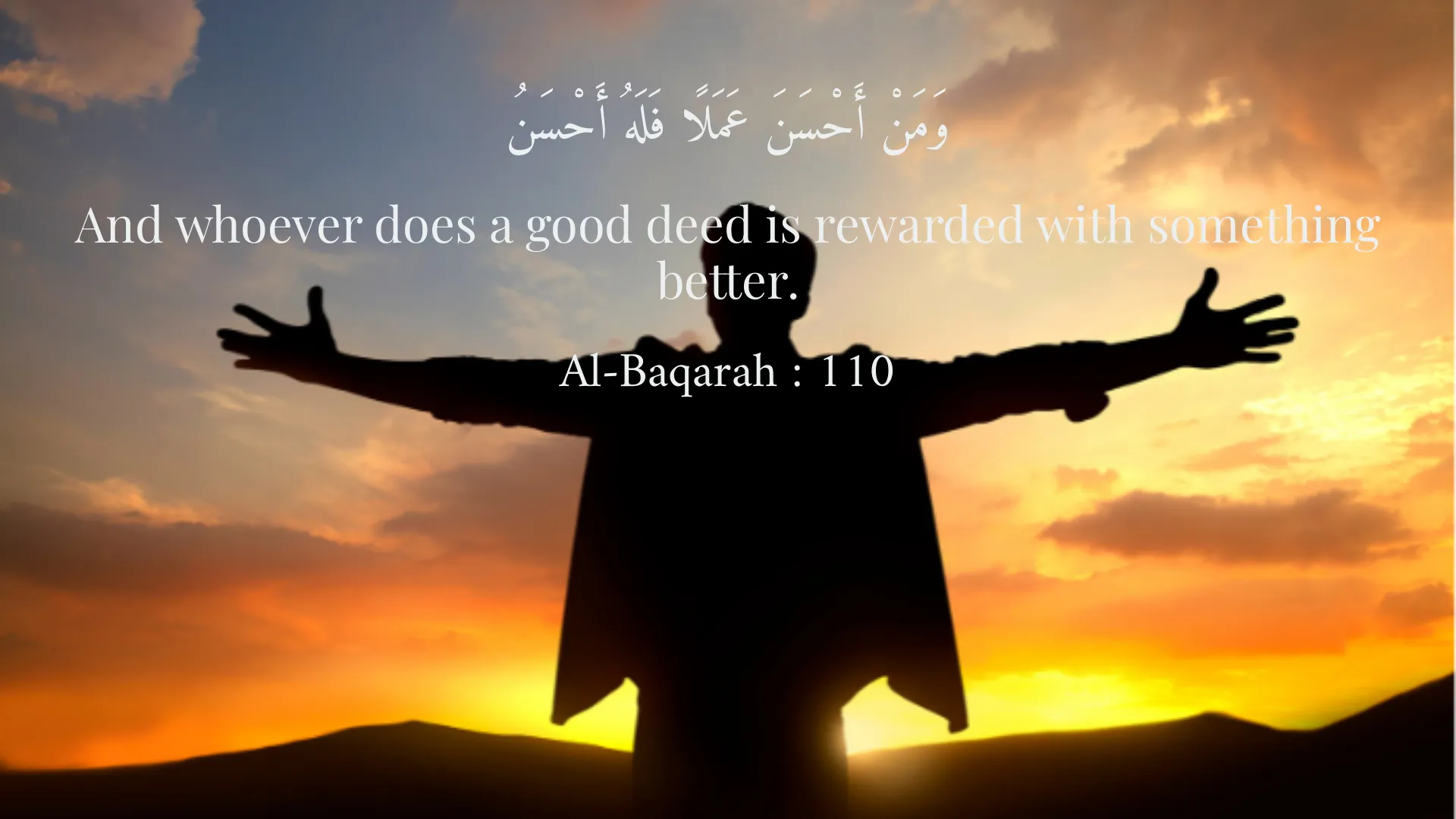
Transforming bad intentions into good ones is a profound journey that many individuals can relate to at different stages in their lives. This transformative process requires a combination of self-awareness, reflection, and persistent effort. At the outset, it’s crucial to understand that intentions lay the foundation for human actions. As human beings, what we intend to do often shapes our behaviors and interactions with the world around us. The significance of intentions in human actions is underscored in various spiritual and religious texts, including the Holy Quran. A poignant reminder of this is found in verse 110 of Surah Al-Baqarah, where Allah proclaims: "And whoever does a good deed is rewarded with something better." This verse encapsulates the essence of good intentions — that even the smallest act, when performed sincerely, can carry immense value and lead to greater rewards. It becomes evident that the quality of our intentions matters just as much as the actions we take. The process of transforming bad intentions into good ones begins with an honest evaluation of oneself. Individuals must reflect upon and understand the roots of their negative thoughts and intentions. It’s essential to ask ourselves — what motivates these thoughts? Do they arise from feelings of anger, jealousy, fear, or perhaps misunderstanding? Gaining insight into these driving forces is crucial as it allows us to uncover underlying issues that need addressing. For instance, jealousy may stem from insecurity, and understanding this can guide individuals to work on their self-esteem and confidence. In seeking solutions to transform negative intentions, reminding ourselves of inspirational Quranic verses can be significantly helpful. For instance, Surah Al-Imran, verse 114 states: "And indeed, Allah is Forgiving and Merciful." This verse serves as a powerful reminder that God embodies forgiveness and mercy. Acknowledging God’s forgiving nature can inspire hope and motivate individuals to correct their intentions, knowing that they will be embraced with love and understanding. Prayer plays an invaluable role in the journey towards transforming intentions. Through prayer, we can seek guidance from God, and this connection can help redirect our thoughts from negativity to positivity. When we pray, we not only express our desires and hopes but also clear our minds of distress. This act of seeking divine assistance prepares our hearts and minds to be more receptive to cultivating good intentions. Another important step in this transformation process is to engage actively in community service or charitable acts. When individuals extend their hand to help others, they not only create positive ripples in their immediate environment but also foster good intentions within themselves. Volunteering can serve as a powerful antidote to negativity and can alter one's perspective towards life, allowing for a more enriching and rewarding emotional experience. Furthermore, practicing gratitude can significantly alter our thinking patterns. When we consciously appreciate the good in our lives — whether it be friends, family, health, or experiences — we can shift our focus from feelings of inadequacy or resentment to recognition and appreciation. Each moment of gratitude reinforces positive intentions and helps to crowd out the negativity. A self-reflective approach, perhaps through journaling, can assist in identifying moments of gratitude and help one consistently dwell upon positivity. It’s also invaluable to surround ourselves with positive and uplifting individuals. The company we keep can profoundly influence our mindset and intentions. Engaging in discussions with friends or mentors who share positive mindsets can inspire us to adopt similar attributes. By seeking companionship that nurtures our growth and uplifts our spirits, we create an environment that supports the transformation of our intentions. Moreover, education about emotional intelligence is crucial for understanding our feelings and the intentions behind them. By enhancing our emotional awareness, we can gain better control over our reactions and motivations, leading to a more intentional and purposeful approach to life. Developing skills in empathy and compassion allows us to connect better with others and diminish the roots of negativity, promoting peace and understanding. Ultimately, the process of transforming bad intentions into good ones necessitates action. It’s not enough to merely have good intentions; we must act upon them and make tangible changes in our daily lives. This could be as simple as making an effort to communicate more kindly, or as significant as committing to long-term community engagement. By practicing and repeating good intentions consistently, we gradually internalize these righteous aims within our hearts. In conclusion, transforming bad intentions into good ones is indeed a nuanced and deeply personal journey. By fostering self-awareness, seeking guidance through prayer, engaging actively in good deeds, practicing gratitude, surrounding ourselves with positivity, and educating ourselves about emotional intelligence, we can successfully navigate this process. As we open our hearts and minds to the potential for goodness within ourselves, we create a ripple effect of positivity that can extend beyond ourselves to influence our communities and the world at large. After all, as affirmed in the Holy Quran, every good deed performed with a sincere intention is rewarded — reminding us that positive change is a powerful force.
Related Verses
وَمَنْ أَحْسَنَ عَمَلًا فَلَهُ أَحْسَنُ
And whoever does a good deed is rewarded with something better.
Al-Baqarah : 110
وَ إِنَّ اللَّهَ غَفُورٌ رَحِيمٌ
And indeed, Allah is Forgiving and Merciful.
Al-Imran : 114
Short Story
One day, a friend named Ali was reflecting on his intentions. He realized that sometimes he harbored bad intentions that did not bring him peace. He decided to draw inspiration from the Quran and transform his intentions into good ones. With effort and repetition, Ali was able to create positive changes in his life and now continues his life with a purer intention.