Quranic Answer
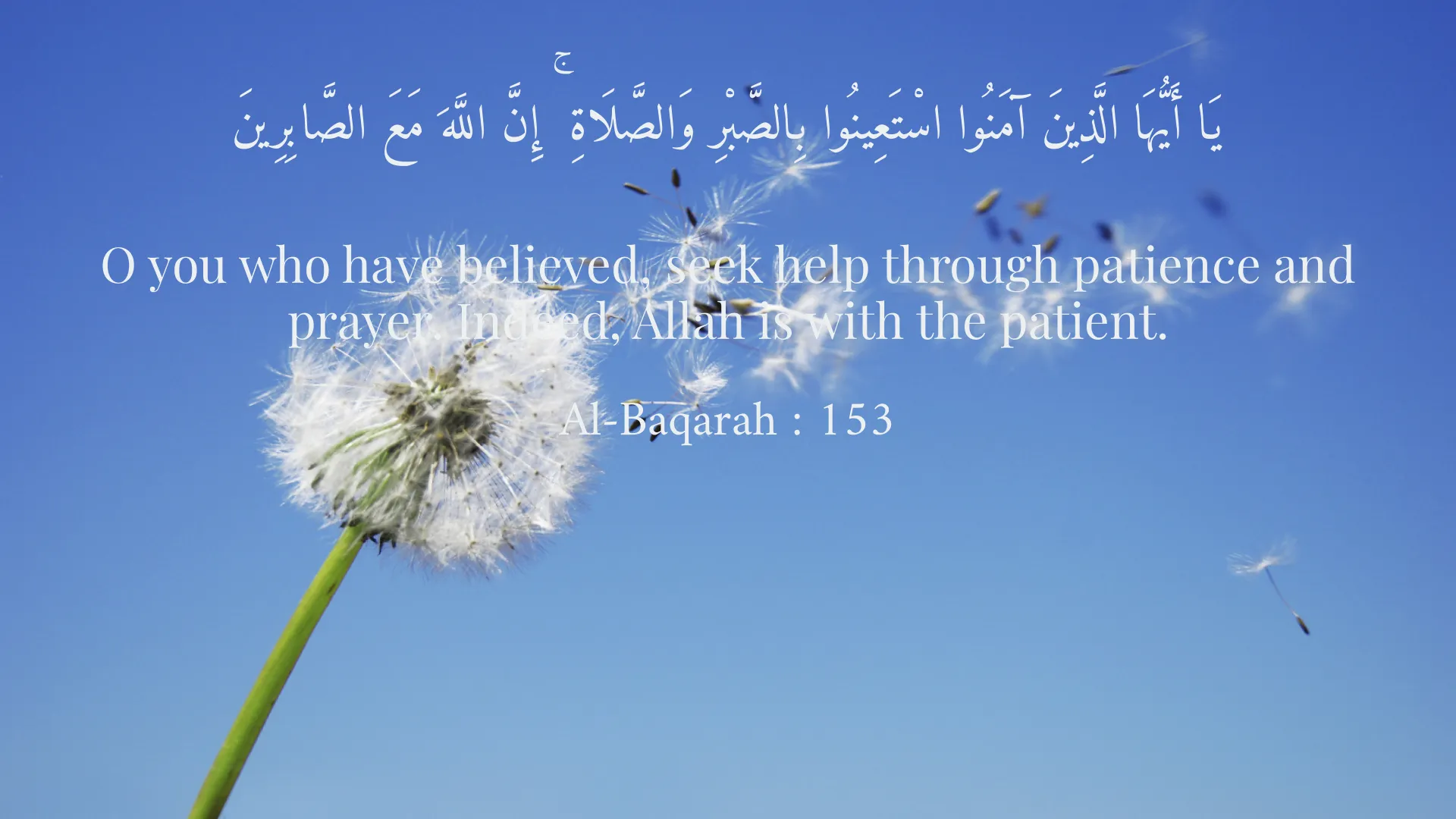
Emotional pain is an inseparable part of the human experience, something every individual encounters in some form throughout their life. This pain can stem from loss, failure, disappointment, or any unfortunate event that affects one's psyche and soul. However, from the perspective of the Holy Quran, these pains and hardships are not merely obstacles in life; rather, they can be unparalleled opportunities for spiritual growth and elevation. The Quran teaches us how to view these challenges differently and transform them into steps for drawing closer to Allah and achieving true inner peace. One of the central Quranic concepts in confronting emotional pain is "Sabr" (patience). Patience in the Quran is not merely passive endurance but an active, steadfast perseverance in the face of difficulties, coupled with reliance on Allah. In Surah Al-Baqarah, verse 153, Allah states: "O you who have believed, seek help through patience and prayer. Indeed, Allah is with the patient." This verse clearly indicates that in moments of hardship and pain, seeking refuge in patience and prayer is not only a pathway but also guarantees Allah's presence and assistance. When we face profound pain, patience helps us maintain control over our emotions and make decisions based on reason and faith. This steadfastness, over time, purifies the heart and strengthens the soul, much like steel tempered in fire becomes stronger. Emotional pain can bring us to a point where we detach from worldly attachments and connect solely with the ultimate source of peace, Allah. This process in itself is a form of spiritual growth. Patience is a gateway to a deeper understanding of Divine wisdom behind adversities and the belief that every hardship contains a hidden wisdom and good. Another concept emphasized in the Quran is "Tawakkul" (reliance on Allah). When emotional pain overwhelms us, feelings of weakness and helplessness are natural. However, reliance on Allah, meaning entrusting our affairs to Him and having complete certainty in Divine planning, can lift a heavy burden from our shoulders. In Surah At-Talaq, verse 3, we read: "And whoever relies upon Allah - He is sufficient for him." This verse promises an unparalleled serenity of heart. When an individual exerts their utmost effort and then entrusts the outcome to Allah, they are no longer anxious about the future and are liberated from the past. This liberation from the bonds of worry is itself a path towards spiritual growth. Emotional pain can lead us to realize that our power is limited and that the only absolute power is Allah. Tawakkul allows us to look at the future with hope instead of drowning in negative thoughts and anxieties, knowing that Allah desires the best for us, even if it appears bitter at first glance. This reliance strengthens our faith and gives us the courage to face challenges with greater bravery. "Dhikr" (remembrance of Allah) and "Salah" (prayer) are also powerful tools that the Quran introduces for transforming emotional pain into spiritual growth. In Surah Ar-Ra'd, verse 28, it is stated: "Those who have believed and whose hearts are assured by the remembrance of Allah. Unquestionably, by the remembrance of Allah hearts are assured." Emotional pains are often accompanied by anxiety, worry, and restlessness of heart. Dhikr, the remembrance of Allah at every moment and in every state—whether verbally (like saying SubhanAllah, Alhamdulillah, La ilaha illallah) or with the heart (reflecting on His greatness and blessings)—can restore deep peace to troubled hearts. Salah, as the pillar of religion and the ascension of the believer, is an opportunity for direct communication with Allah, releasing the heavy burden of sorrow and pain, and rejuvenating one's strength. This spiritual connection is not only comforting but also makes one feel powerful and capable from within, transforming their outlook on life. Emotional pain can be an opportunity to be drawn more deeply to prayer and remembrance, and through this, to realize that there is no refuge except Allah. The Quran also teaches us that calamities and hardships are Divine tests, whose purpose is not to destroy us but to nurture and purify our souls. In Surah Al-Ankabut, verses 2 and 3, it says: "Do people think that they will be left to say, 'We believe' and they will not be tried? But We have certainly tried those before them, and Allah will surely make evident those who are truthful and will surely make evident the liars." This verse indicates that trials are an integral part of the path of faith. Emotional pain is a type of test that examines the depth of our faith, patience, and reliance. When we view pain from this perspective, we no longer see it merely as a calamity, but as an opportunity to prove the sincerity of our faith, strengthen our character, and reach higher spiritual ranks. Every pain endured with patience and reliance brings us closer to Allah and increases our insight and wisdom. This process is true spiritual growth, refining our understanding of ourselves and our Creator. Furthermore, understanding the transient nature of this world and focusing on the reward in the hereafter is also effective in transforming emotional pain into spiritual growth. The Quran repeatedly refers to the impermanence of worldly life and the importance of the afterlife. When emotional pain results from loss or failure in worldly matters, recalling that this world is fleeting and true reward is with Allah in the hereafter can be consoling. This perspective saves individuals from drowning in worldly suffering and directs them towards more enduring values. In Surah Al-Imran, verse 185, it says: "Every soul will taste death, and you will only be given your [full] compensation on the Day of Resurrection. So he who is drawn away from the Fire and admitted to Paradise has attained [his desire]. And what is the life of this world except the enjoyment of delusion." This verse and similar ones remind us that both the pains and pleasures of this world are temporary, and the ultimate goal is to achieve Allah's pleasure and eternal happiness. This shift in perspective transforms emotional pain from paralyzing an individual into motivating them to strive more in Allah's path and seek His pleasure, thereby paving the way for spiritual growth. In conclusion, transforming emotional pain into spiritual growth is an inner journey made possible with the Quranic tools of patience, reliance, remembrance, and prayer, coupled with a deeper understanding of the philosophy of divine tests and the nature of this world. Every moment of pain can be an opportunity for greater self-knowledge, knowledge of Allah, and understanding the purpose of life. By seeking refuge in the Quran and acting upon its commandments, we can emerge from the heart of the most difficult sufferings stronger, calmer, and with unwavering faith, achieving spiritual transcendence. This Quranic insight serves as a guiding light in the darkness of pain and suffering, showing us the path to salvation and eternal peace.
Related Verses
يَا أَيُّهَا الَّذِينَ آمَنُوا اسْتَعِينُوا بِالصَّبْرِ وَالصَّلَاةِ ۚ إِنَّ اللَّهَ مَعَ الصَّابِرِينَ
O you who have believed, seek help through patience and prayer. Indeed, Allah is with the patient.
Al-Baqarah : 153
الَّذِينَ آمَنُوا وَتَطْمَئِنُّ قُلُوبُهُم بِذِكْرِ اللَّهِ ۗ أَلَا بِذِكْرِ اللَّهِ تَطْمَئِنُّ الْقُلُوبُ
Those who have believed and whose hearts are assured by the remembrance of Allah. Unquestionably, by the remembrance of Allah hearts are assured.
Ar-Ra'd : 28
أَحَسِبَ النَّاسُ أَن يُتْرَكُوا أَن يَقُولُوا آمَنَّا وَهُمْ لَا يُفْتَنُونَ
Do people think that they will be left to say, "We believe" and they will not be tried?
Al-Ankabut : 2
وَلَقَدْ فَتَنَّا الَّذِينَ مِن قَبْلِهِمْ ۖ فَلَيَعْلَمَنَّ اللَّهُ الَّذِينَ صَدَقُوا وَلَيَعْلَمَنَّ الْكَاذِبِينَ
But We have certainly tried those before them, and Allah will surely make evident those who are truthful and will surely make evident the liars.
Al-Ankabut : 3
Short Story
In ancient times, there lived a wealthy merchant named "Sa'd" in a city, who took great pride in his vast possessions. One day, his fortune suddenly vanished, and he became entangled in poverty and destitution. Sa'd, who had spent his life in comfort, suffered greatly from this emotional pain. He became reclusive and distanced himself from people. One night, in the depths of despair and sorrow, he dreamt that a wise elder told him: "O Sa'd, do you think that Allah has forgotten you? These hardships are a test to free you from worldly attachments and call you towards Him. Your wealth prevented you from remembrance; now is the opportunity to calm your heart with His remembrance." Sa'd awoke from his dream, his heart filled with a strange tranquility. He decided to rely on Allah instead of grieving and began to engage in remembrance and prayer. Every day, he devoted himself more and more to prayer and the remembrance of Allah, and he was grateful for what he had, even if it was little. As time passed, he not only stopped complaining about his poverty but felt a spiritual richness that he had never experienced with all his wealth before. The people of the city, who knew Sa'd, were astonished by his transformation. He was no longer the arrogant merchant but a dignified and serene man who had understood divine wisdom. Sa'd built a bridge from his emotional pain to spiritual growth, and ultimately, found a peace that no wealth could buy.