Quranic Answer
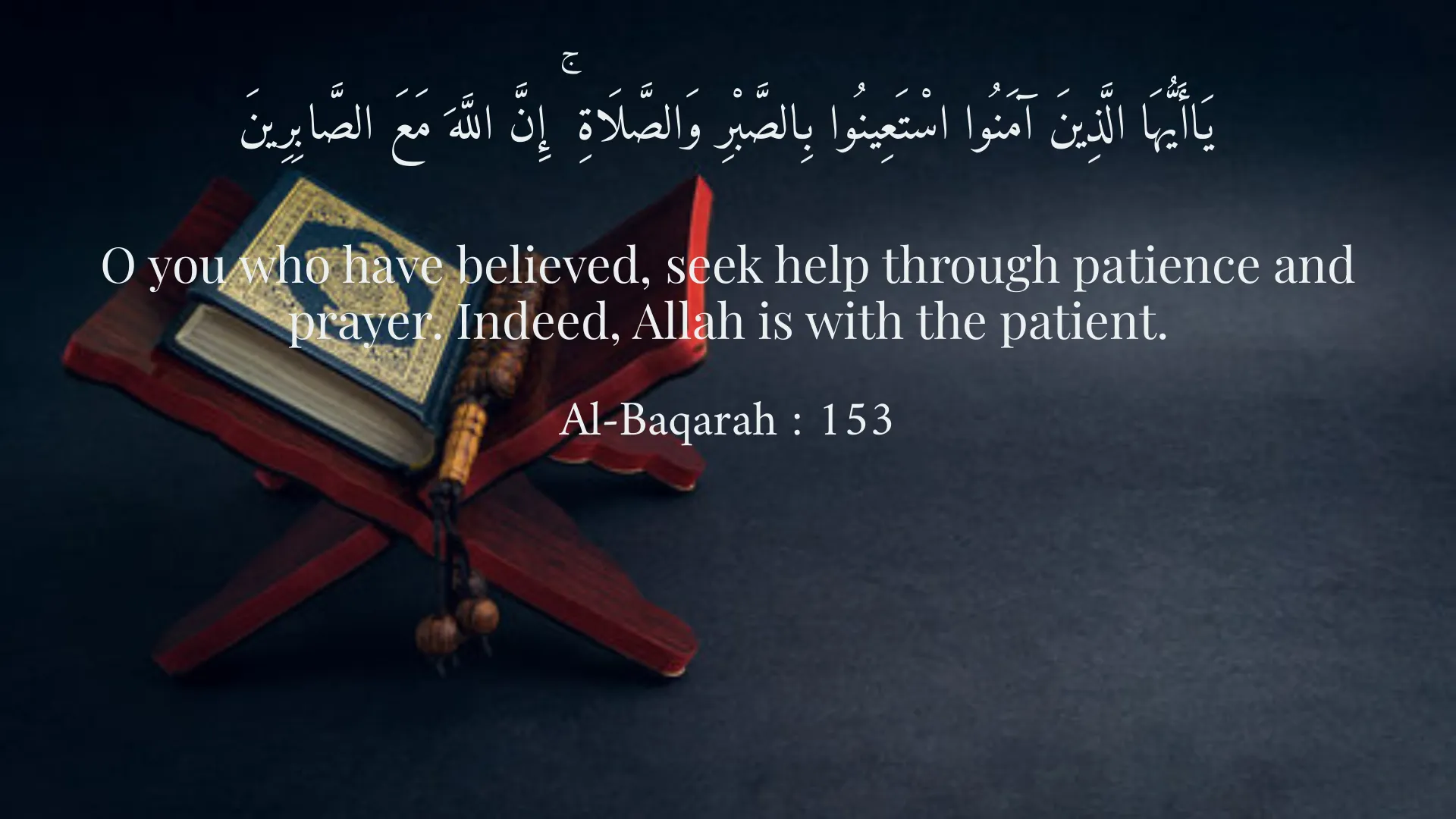
The feeling of failure is an inevitable human experience that almost everyone encounters at some point in their lives. It can be overwhelming and paralyzing, draining one's will to move forward. However, the Holy Quran's perspective on the concept of failure and how to deal with it is profoundly different and insightful. Instead of ignoring this feeling, the Quran offers powerful solutions to transform it into a driving and motivating force. These solutions not only help in restoring hope but also foster an individual's spiritual and worldly growth. From a Quranic viewpoint, every hardship, difficulty, or what we perceive as 'failure' is, in reality, a divine test. This fundamental outlook is the starting point for converting failure into motivation. The first and perhaps most crucial step is to seek refuge in patience and prayer. Allah Almighty states in Surah Al-Baqarah, verse 153: "O you who have believed, seek help through patience and prayer. Indeed, Allah is with the patient." This verse provides a practical and potent guideline. Patience (Sabr) means perseverance and steadfastness in the face of difficulties, not idleness or surrender. When confronted with feelings of failure, patience helps us avoid hasty reactions, prevents despair, and enables us to endure the situation. Prayer (Salat), too, is not merely a religious obligation but a profound source of tranquility, strength, and direct connection with the Creator. In moments of despair and failure, prayer offers an opportunity to converse with Allah, articulate one's problems, and seek His aid and guidance. This spiritual connection dispels feelings of loneliness and strengthens the spirit of reliance on God's infinite power, which is in itself the greatest source of motivation. The second principle is to never despair of Allah's mercy. One of Satan's greatest traps after a setback is to instill despair. The Holy Quran strongly forbids despondency. In Surah Yusuf, verse 87, we read: "O my sons, go and find out about Joseph and his brother and do not despair of the relief of Allah. Indeed, no one despairs of the relief of Allah except the disbelieving people." This verse emphasizes that despairing of Allah's grace and ease is a sign of lack of faith. Belief that Allah is the Most Gracious, the Most Merciful, and that ease follows every hardship, acts like a beacon in the darkness of failure. Every event, even an apparent failure, might contain wisdom we do not yet comprehend. This optimism is not just a psychological state; it is a principle of faith that empowers individuals to look at the future positively and plan for recovery and progression. The third point is to accept the nature of this world as a realm of trials and tests. Allah emphasizes in numerous verses that worldly life is full of trials to reveal the truth of people's faith and to test each according to their capacity and effort. In Surah Al-Ankabut, verses 2 and 3, Allah says: "Do people think that they will be left alone because they say, 'We believe,' and will not be tested? And We have certainly tested those before them, and Allah will surely make evident those who are truthful, and He will surely make evident the liars." These verses show that failures and challenges are an inseparable part of life's journey. With this perspective, failure is no longer an end but a stage in the path of growth and perfection. This understanding allows an individual to analyze the experience of failure instead of dwelling in regret, learn the necessary lessons from it, and prepare with greater readiness for the next round of trials. This is the greatest factor in motivating renewed and purposeful effort. The fourth principle is confidence in Allah's promise of ease after hardship. Allah states in Surah Ash-Sharh, verses 5 and 6: "For indeed, with hardship [will be] ease. Indeed, with hardship [will be] ease." This double emphasis is a firm and comforting promise. Failures and difficulties are transient, and ease and relief will follow them. This knowledge prevents individuals from sinking into despair and motivates them to strive with all their might, awaiting Allah's relief. These verses teach us that every failure is a prelude to victory, and every hardship is a bridge to a new phase of life. This perspective not only makes enduring failure easier but transforms it into a catalyst for growth and progress. The fifth strategy is to reflect on Allah's infinite power and wisdom and to place complete trust in Him (Tawakkul). Failures often confront us with feelings of powerlessness and inadequacy. In such times, returning to the belief that there is no power except Allah's and that He is capable of all things, brings immense solace. Tawakkul means that one exerts their utmost effort and then entrusts the outcome to Allah, knowing that Allah is the best Disposer of affairs. This reliance removes the heavy burden of stress and anxiety about results, enabling one to find new solutions with a calmer and more focused mind. Trust in divine providence gives one the courage to take risks and try again, knowing that ultimately, whatever happens, it contains goodness and benefit for them. In summary, to transform feelings of failure into motivation from a Quranic perspective, one must view it from a divine standpoint: failure is not an end, but a test and an opportunity for growth. By seeking refuge in patience and prayer, not despairing of Allah's mercy, accepting the nature of worldly trials, having confidence in ease after hardship, and relying on Allah, one can convert this feeling into a powerful catalyst for renewed effort, self-improvement, and achieving greater successes, both in this world and the Hereafter. This approach teaches us that every experience, even the most painful, can be a springboard towards progress and divine pleasure.
Related Verses
يَاأَيُّهَا الَّذِينَ آمَنُوا اسْتَعِينُوا بِالصَّبْرِ وَالصَّلَاةِ ۚ إِنَّ اللَّهَ مَعَ الصَّابِرِينَ
O you who have believed, seek help through patience and prayer. Indeed, Allah is with the patient.
Al-Baqarah : 153
يَا بَنِيَّ اذْهَبُوا فَتَحَسَّسُوا مِن يَبُوسُفَ وَأَخِيهِ وَلَا تَيْأَسُوا مِن رَّوْحِ اللَّهِ ۖ إِنَّهُ لَا يَيْأَسُ مِن رَّوْحِ اللَّهِ إِلَّا الْقَوْمُ الْكَافِرُونَ
O my sons, go and find out about Joseph and his brother and do not despair of the relief of Allah. Indeed, no one despairs of the relief of Allah except the disbelieving people.
Yusuf : 87
فَإِنَّ مَعَ الْعُسْرِ يُسْرًا
For indeed, with hardship [will be] ease.
Ash-Sharh : 5
إِنَّ مَعَ الْعُسْرِ يُسْرًا
Indeed, with hardship [will be] ease.
Ash-Sharh : 6
Short Story
Once upon a time, a king, defeated in a great battle, took refuge in a desolate castle, overwhelmed by despair. He had suffered so many consecutive losses that he believed there was no hope left for victory. As he was lost in his disheartening thoughts, his eyes caught sight of an ant trying to carry a grain up a wall. The ant tried repeatedly, the grain falling from its grasp, forcing it to return to the bottom each time. The king counted: ten times, twenty times… yet the ant was tireless. Finally, on its twenty-first attempt, the ant succeeded in carrying the grain to the top of the wall. The king was astonished by this sight and felt a deep sense of shame. He pondered, "This tiny ant, despite so many failures, did not despair and achieved its goal. How then can I, a king, surrender?" From that moment, the king found renewed spirit. He learned from his defeat, reassembled his army, and with a fresh approach and steadfast determination, returned to the battlefield, achieving victory this time. He understood that even the smallest of God's creatures teaches a lesson in patience and perseverance, and that failure is merely a bridge to greater triumphs.