Quranic Answer
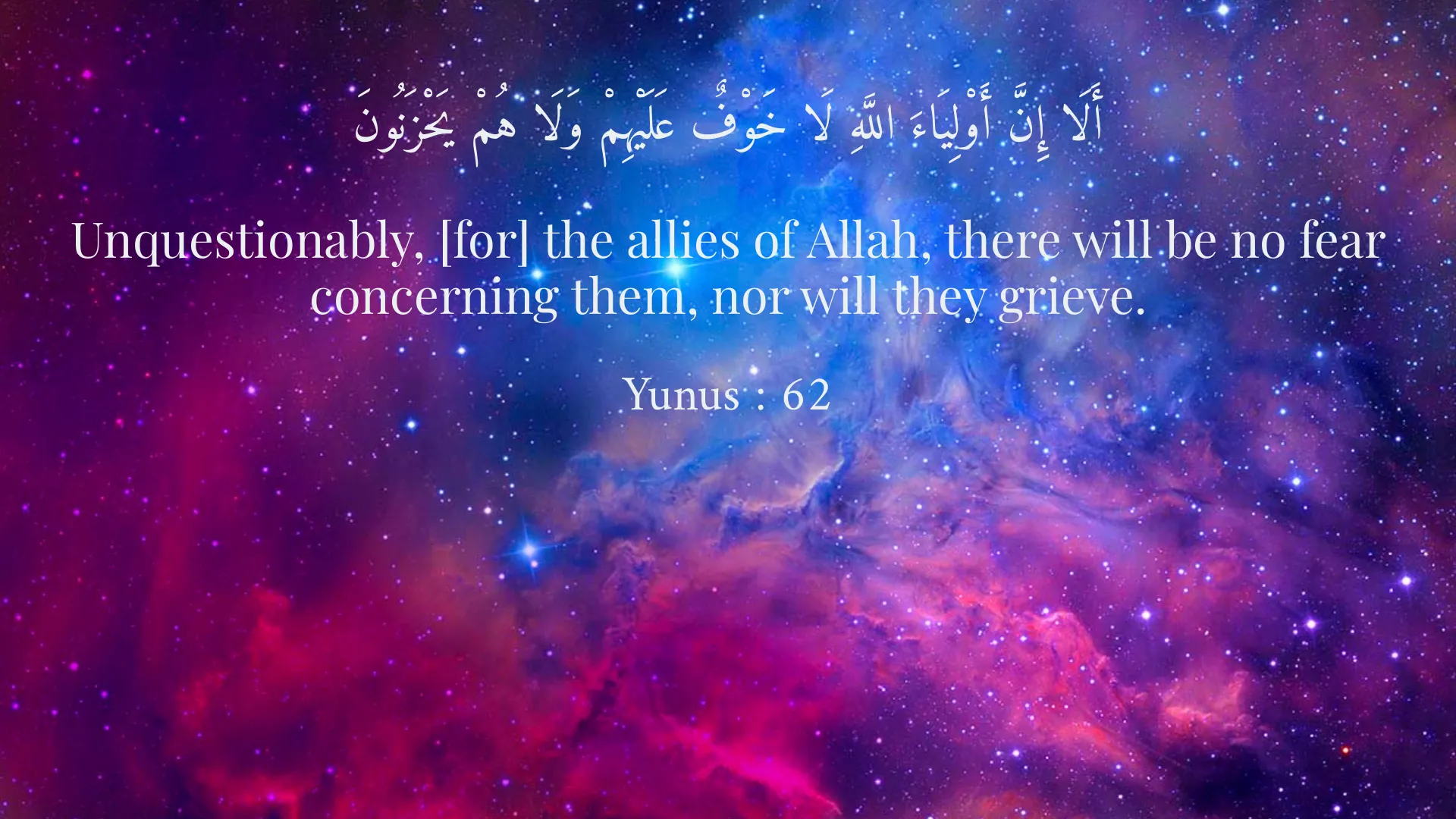
The journey from the valley of fear to the abode of faith is a profound spiritual transformation, and the Holy Quran offers unparalleled guidance for it. Fear is a natural emotion that can protect humans from danger, but when it exceeds its limits and transforms into worry, anxiety, and despair, it becomes an impediment to progress and spiritual tranquility. The Quran acknowledges worldly fears and posits that the way out of them lies in strengthening one's relationship with God and relying on His infinite power. In this journey, concepts such as reliance on God (Tawakkul), patience (Sabr), remembrance (Dhikr), and understanding divine attributes play key roles. The first step in this journey is to identify the roots of fear. Many of our fears stem from ignorance of divine decree, unawareness of God's power and mercy, or excessive attachment to worldly matters. The Quran teaches us that everything is in God's hands, and no harm or benefit can reach us without His permission. This awareness is the starting point for liberation from the bonds of unfounded fears. In Surah Yunus, verse 62, Allah says: "Unquestionably, [for] the allies of Allah, there will be no fear concerning them, nor will they grieve." This verse paints a clear picture of the state of those who, through deep faith and complete reliance, have attained the status of God's allies and are liberated from worldly fears. One of the most central Quranic concepts for overcoming fear is 'Tawakkul' (reliance on God). Tawakkul means complete trust and dependence on Allah in all matters, despite human effort and striving. This does not imply idleness or passivity; rather, it means that after fulfilling one's duties and utilizing all available means and efforts, one entrusts the outcome to Allah, knowing that His will is above all wills. In Surah Al-Ahzab, verse 3, we read: "And rely upon Allah; and sufficient is Allah as Disposer of affairs." This verse explicitly states that Allah is the best Trustee and Supporter, and whoever relies on Him will be free from all fears and worries. True Tawakkul is the fruit of a deep understanding of Allah and belief in His wisdom, power, and mercy. Another crucial factor in transforming fear into faith is 'Dhikr' or the remembrance of God. The human heart often becomes agitated when facing the unknown and difficulties, but the remembrance of God brings peace to hearts. In Surah Ar-Ra'd, verse 28, the Quran states: "Those who have believed and whose hearts are assured by the remembrance of Allah. Unquestionably, by the remembrance of Allah hearts are assured." Dhikr includes reciting the Quran, performing prayers (Salat), supplication (Du'a), glorification (Tasbeeh), and any act that reminds a person of God and strengthens their connection with the source of peace and power. When the human heart finds tranquility in the remembrance of God, there is no room left for baseless fears. 'Sabr' (patience) and 'Salat' (prayer) are also two other fundamental pillars on this path. The Quran repeatedly instructs believers to seek help through patience and prayer. Patience here is not passive endurance but active steadfastness and resilience in the face of challenges and adversities. Prayer is the pillar of religion and the ascension of the believer; it is a means of direct communication with the Creator, alleviating anxieties, and seeking help from infinite divine power. When a person prostrates before the greatness of God and whispers to Him, feelings of weakness and helplessness are replaced by strength and hope. Furthermore, understanding the truth that this world is a transient place of test helps reduce the fear of worldly losses. Every hardship and affliction is an opportunity for growth and closeness to God, and indeed, with hardship there is ease, as stated in Surah Al-Inshirah, verses 5-6: "For indeed, with hardship [will be] ease. Indeed, with hardship [will be] ease." Increasing one's knowledge and understanding of Allah and the philosophy of creation also significantly helps in reducing fear. When a person knows that Allah is Wise, Just, and Merciful, and has created nothing in vain, they trust in divine providence. Understanding Allah's absolute power renders fear of limited human powers meaningless, and recognizing His boundless mercy eliminates fear of the future and loneliness. The deeper one's knowledge, the stronger their faith and the fainter their fears become. Ultimately, it must be understood that this transition from fear to faith is a gradual process that requires perseverance, self-struggle, and practical application. By embarking on this divine path and acting upon the teachings of the Quran, one can be freed from the turmoil of fears and reach the safe haven of faith and tranquility, where there is no fear except the fear of Allah's grandeur and shortcomings in fulfilling duties, and even this fear itself is a source of movement and growth.
Related Verses
أَلَا إِنَّ أَوْلِيَاءَ اللَّهِ لَا خَوْفٌ عَلَيْهِمْ وَلَا هُمْ يَحْزَنُونَ
Unquestionably, [for] the allies of Allah, there will be no fear concerning them, nor will they grieve.
Yunus : 62
وَتَوَكَّلْ عَلَى اللَّهِ ۚ وَكَفَىٰ بِاللَّهِ وَكِيلًا
And rely upon Allah; and sufficient is Allah as Disposer of affairs.
Al-Ahzab : 3
الَّذِينَ آمَنُوا وَتَطْمَئِنُّ قُلُوبُهُم بِذِكْرِ اللَّهِ ۗ أَلَا بِذِكْرِ اللَّهِ تَطْمَئِنُّ الْقُلُوبُ
Those who have believed and whose hearts are assured by the remembrance of Allah. Unquestionably, by the remembrance of Allah hearts are assured.
Ar-Ra'd : 28
فَإِنَّ مَعَ الْعُسْرِ يُسْرًا
For indeed, with hardship [will be] ease.
Al-Inshirah : 5
Short Story
It is narrated that in ancient times, there was a merchant who possessed vast wealth but harbored great fear for the future. Every gust of wind made him tremble, fearing that his ships might sink or his trade might decline. One day, he sought out a wise sage and recounted his plight. The sage, with a kind smile, said: "My friend, the fear of what has not yet come is a calamity in itself that steals your peace. Instead of worrying about the sea, reflect on the power of the One who commands the winds and waves. He whose reliance is upon God, his ship of existence will not sink even in storms." The merchant took heed of this advice and decided to detach his heart from his wealth, entrusting it to its Creator. He remembered God more often, performed prayers, and accepted hardships with patience. After some time, he found that his fears had scattered like smoke, and a profound tranquility had settled in his heart, for he had realized that sustenance comes from God, and no one has the power to change His decree.