Quranic Answer
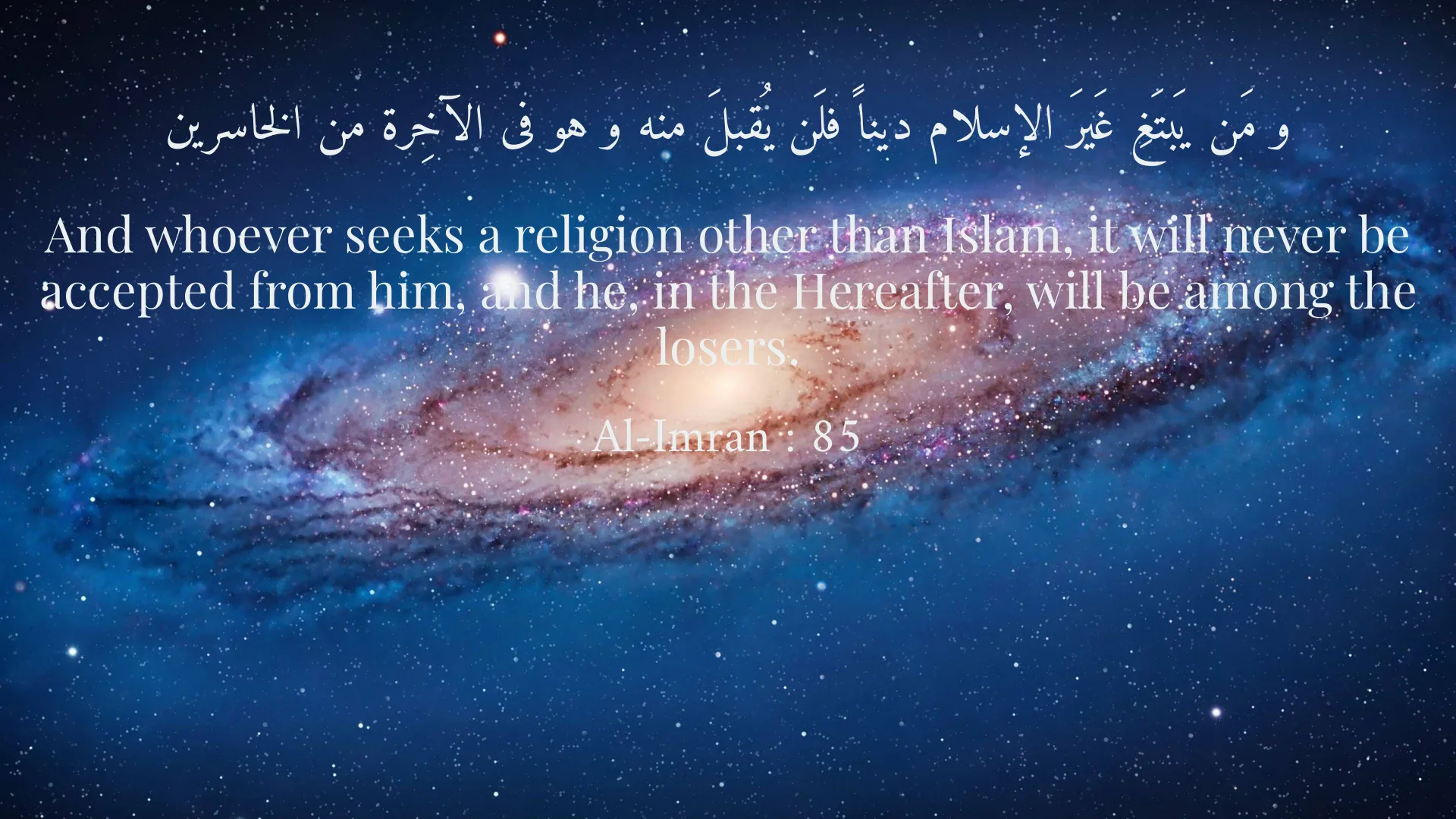
In the Holy Quran, the concepts of 'haram' (forbidden) and 'mustahabb' (recommended) are fundamental elements that reflect the divine priorities in human life. These principles guide believers in their daily actions and decisions, indicating what is permissible and what is not within the framework of Islamic teachings. Understanding these concepts not only fosters a sense of spiritual awareness but also enhances a person's relationship with Allah. This article delves into the significance of haram and mustahabb in Islamic thought, exploring their implications on faith and daily life, as supported by the teachings found within the Quran. The notion of haram is clearly articulated in various verses of the Holy Quran, emphasizing that avoiding prohibitions is an obligatory part of a Muslim's faith. One such verse is found in Surah Al-Imran, verse 85, which states: 'And whoever seeks a religion other than Islam, it will never be accepted from him, and he, in the Hereafter, will be among the losers.' This verse underscores the importance of adhering to divine commandments and reinforces the notion that disobedience to these commandments leads to dire consequences in the hereafter. Therefore, engaging in haram acts—such as lying, cheating, theft, and usury—poses a significant threat to one's faith and is something that every Muslim must strive to avoid. In Islam, the avoidance of haram is not simply about adhering to a set of rules; it is a manifestation of a believer's commitment to their faith. It reflects an understanding that one cannot fully submit to Allah while engaging in actions that contradict His commandments. This submission is what distinguishes a true believer from one who merely identifies as such. The act of avoiding haram is integral to developing a strong bond with Allah, as it requires discipline, self-control, and a genuine desire to align oneself with divine will. Furthermore, the Quran provides guidance on what constitutes haram, making it clear that these actions are detrimental not only to one's spiritual well-being but also to the community as a whole. For instance, lying and dishonesty harm interpersonal relationships, while engaging in usury can lead to social injustice and economic disparity. Thus, the prohibition of such acts serves a broader purpose beyond individual piety—it aims to nurture a just and harmonious society where individuals live in accordance with divine ethics. On the other hand, engaging in mustahabb acts holds significant value in Islam and serves as a means for believers to draw closer to Allah. Mustahabb refers to actions that are recommended and carry great rewards but are not obligatory. In Surah An-Naml, verse 89, Allah promises that anyone who acts righteously will receive a great reward. This verse reinforces the importance of performing good deeds and voluntarily engaging in acts of worship. Such actions can include prayer, charity, and kindness to others, all of which are encouraged in Islamic teachings. While mustahabb acts offer a way for believers to enhance their spiritual connection, it is crucial to remember that these acts can never outweigh the necessity of avoiding haram. The foundational principle of obedience to Allah begins with the avoidance of what is prohibited. Performing recommended actions cannot compensate for engaging in forbidden practices. Instead, they are meant to complement a lifestyle rooted in righteousness and integrity. In daily life, every Muslim must prioritize the avoidance of haram acts. For instance, engaging in dishonest behavior, exploiting others through usury, or any major sin jeopardizes one's faith and relationship with Allah. As believers navigate the complexities of modern life, they must continually seek to uphold these principles, thus reinforcing their commitment to Islamic teachings. Moreover, avoiding haram is not merely a matter of personal piety but involves a collective responsibility. Muslims are encouraged to support one another in adhering to divine commandments, fostering a community where righteousness is promoted and sinful behavior is discouraged. This collective effort allows the community to thrive according to the principles of Islam, creating an environment that nurtures spiritual growth and ethical living. Additionally, it is worth noting that the concepts of haram and mustahabb are not limited to actions; they also extend to intentions. Islam emphasizes that the intention behind an action plays a crucial role in determining its worthiness. Therefore, one who seeks to please Allah through mustahabb acts must ensure that their intentions are pure and focused on drawing nearer to the Creator. This underscores the holistic nature of Islamic teachings—where both action and intention must align with divine guidance. As Muslims strive to live balanced lives, they should recognize that engaging in mustahabb acts can serve as a means of protection against major sins. By regularly participating in recommended deeds, individuals are more likely to cultivate a consciousness of Allah, which may deter them from engaging in haram actions. This cyclical nature of engagement in righteous acts and avoidance of prohibitions strengthens faith and helps believers navigate the challenges of life with integrity. In conclusion, the relationship between haram and mustahabb in Islam is intricately woven into the fabric of a Muslim's life. The avoidance of forbidden actions is a fundamental obligation that serves as the foundation for faith and obedience to Allah. Meanwhile, engaging in mustahabb acts enhances virtuous living and fosters a stronger connection with the Divine. As believers incorporate both concepts into their daily practices, they align themselves with divine will, ultimately fulfilling their purpose as servants of Allah. It is through this balance that Muslims can truly embody the principles of their faith, striving for personal salvation while contributing to the betterment of society as a whole.
Related Verses
و مَن یَبتَغِ غَیرَ الإسلام دیناً فلَن یُقبلَ منه و هو فی الآخِرة من الخاسرین
And whoever seeks a religion other than Islam, it will never be accepted from him, and he, in the Hereafter, will be among the losers.
Al-Imran : 85
وَمَن جاءَ بِالْحَسَنَةِ فَلَهُ عَشْرُ أَمثَالِهَا
And whoever comes with a good deed will have ten times as much.
An-Naml : 89
Short Story
One day, a young man named Ehsan was pondering about his life. He asked himself what the most important issue in his life was. He remembered the Quran and realized that he needed to avoid major sins. He decided first to abstain from prohibitions and then focus on doing mustahabb acts. As time passed, he noticed that his life had changed and he had found more peace.