Quranic Answer
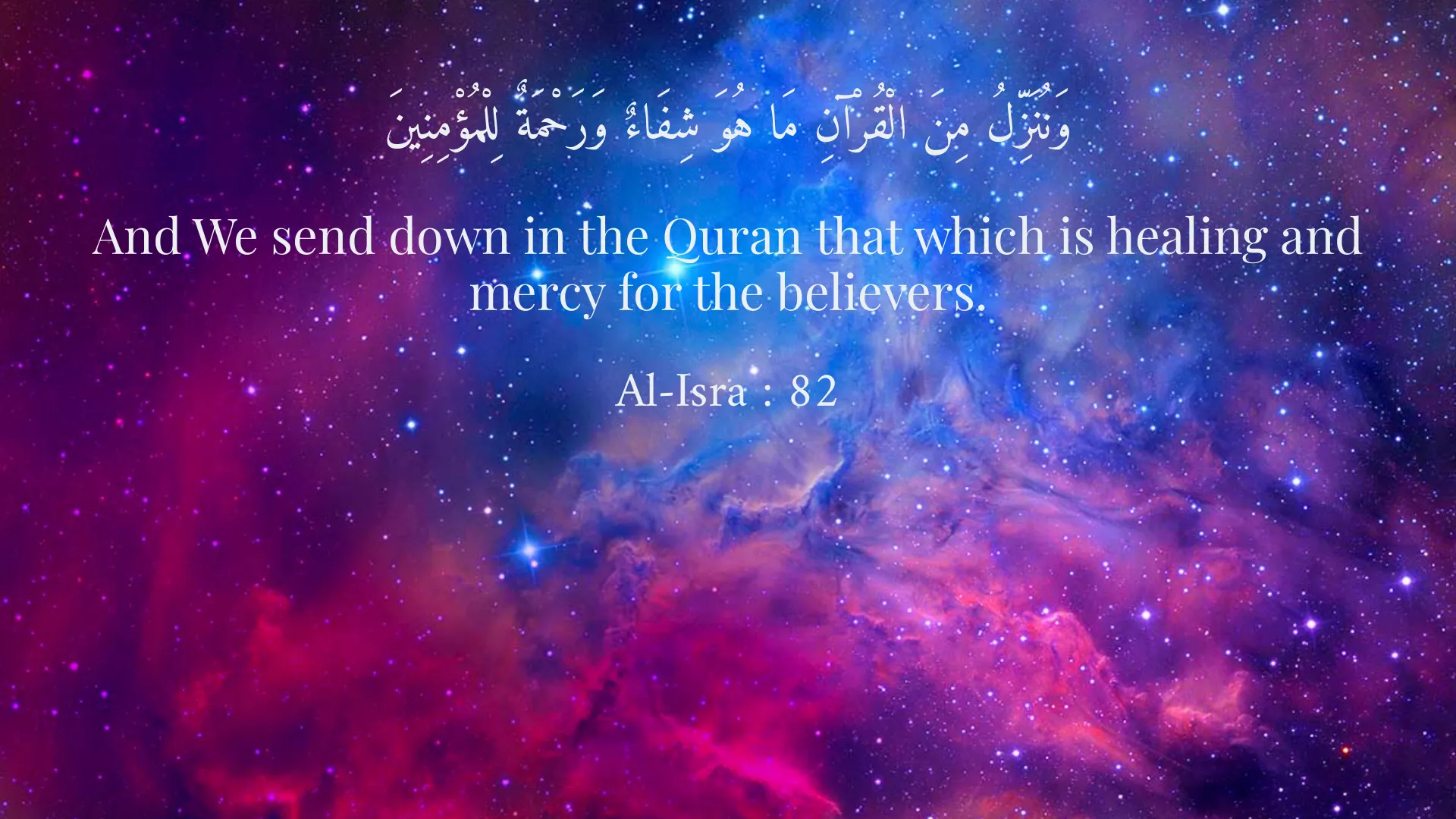
Title: The Honorable Tears: Understanding Crying in the Context of the Holy Quran Crying is a profound expression of human emotion that can signify a wide array of feelings, from overwhelming joy to deep sorrow. It is a natural biological response that transcends cultures and societies, yet its significance varies across different contexts. In the Holy Quran, crying takes on an added layer of meaning, recognized not merely as an emotional response but as a powerful reflection of one's faith and connection to Allah. Through various verses and Hadiths, the Quran acknowledges crying as a reaction that can embody healing, mercy, love, and devotion. In exploring the theme of crying within the Islamic tradition, we can gain insight into the emotional landscape of believers and the vital role it plays in their spiritual journey. ### Crying as a Natural Response Crying is one of the most fundamental human responses, often triggered by a variety of stimuli. Although it is frequently associated with feelings of distress or sorrow, crying can also emerge from joy or gratitude. In the context of spirituality, it plays a crucial role in expressing one's innermost emotions and fostering a connection with the Divine. The Quran, in Surah Al-Isra, verse 82, states, 'And We send down in the Quran that which is healing and mercy for the believers.' This profound declaration serves as a reminder that the Quran acts as a source of comfort and healing, capable of evoking tears among those who engage with its messages. ### The Essence of Crying in Islamic Teachings In Islamic tradition, crying is depicted not as a weakness but as a sign of deep emotional engagement with Allah. The act of weeping is often tied to moments of reflection, prayer, and remembrance. The Prophet Muhammad (PBUH), revered as a paragon of virtue and spirituality, is known to have wept in moments of prayer and reflection, demonstrating a perfect blend of strength and vulnerability. Such Hadiths that recount the Prophet's tears serve as powerful reminders that emotional expressions are intrinsic to faith. For instance, it is narrated that upon hearing the story of various prophets, including Prophet David (Dawood) and Prophet Adam, the Prophet Muhammad would shed tears, acknowledging the deep connections between humanity and the Divine (حدیثفاحللآ"ط داع خاو السفصة). These tears exemplify the profound respect for the mercy and love of Allah and the acknowledgment of human fallibility. ### Crying as a Reflection of Submission Crying can also symbolize submission to God's will. In moments of hardship, sorrow, or despair, an individual may find themselves crying as a way of surrendering their struggles to Allah. This act of crying is often seen as a pathway to seeking solace and guidance from the Almighty. It encapsulates the belief that Allah is merciful and compassionate, encouraging individuals to turn towards Him during their most vulnerable moments. The idea that 'crying for Imam Hussein (AS) awakens the sinful and leads them back to repentance' reinforces the sentiment that tears can hold transformative power, guiding one toward the right path by invoking the memory of significant figures in Islam who exemplified steadfast faith in the face of adversity. ### The Therapeutic Nature of Crying in Faith In times of hardship, crying can serve as an emotional release that aids in coping with various challenges. The expression of sorrow through tears can invoke a sense of mental clarity and relief, fostering emotional healing. Within the Islamic context, the experience of crying can lead to increased mindfulness and remembrance of Allah’s mercy and greatness. It creates a space for individuals to confront their struggles, acknowledge their emotions, and ultimately find peace in the arms of their Creator. Research in psychology has demonstrated that crying activates the parasympathetic nervous system, promoting a feeling of calmness after an emotional release. In parallel, within the Islamic perspective, the act of crying while supplicating to Allah can be seen as a way to connect deeply with one’s emotions and, importantly, an opportunity for personal and spiritual growth. ### Crying in Community Worship Additionally, the communal aspect of worship in Islam often sees collective crying and emotional expressions during prayers, particularly in gatherings that commemorate significant events in Islamic history, such as Ashura when the martyrdom of Imam Hussein is honored. These occasions provide an opportunity to experience collective grief and joy, reinforcing the sense of community and shared faith. During these moments, the tears are not seen as a personal weakness but as a collective experience of love, empathy, and understanding among fellow believers. Such expressions can deepen the spiritual bond that individuals share with one another and with Allah, compelling the faithful toward a more profound understanding of love and devotion. ### Crying as an Expression of Love As the Quran encourages believers to remember Allah and reflect upon His greatness, crying can serve as an expression of love and reverence for the Creator. Allah’s attributes of compassion, mercy, and forgiveness resonate deeply within the hearts of believers, evoking tears of gratitude and love. This emotional connection deepens during personal prayers and moments of reflection, where one's sincerity can lead to an overwhelming sense of closeness with God. Furthermore, crying in response to the beauty of the Quranic verses or reflecting upon the lessons derived from the Prophets' stories can encapsulate the feelings of awe and admiration that believers experience. It reminds individuals that they are part of a larger narrative—one that encompasses love, sacrifice, and acceptance. ### Conclusion In conclusion, the phenomenon of crying within the Islamic framework cannot be viewed merely as a reaction to distress or sadness, but rather as a rich tapestry of emotions that embody love, devotion, and submission to Allah. Through the lens of the Holy Quran and the teachings of the Prophet Muhammad (PBUH), we understand that crying can be a pathway to healing, mercy, and connection to the Divine. It illustrates the multidimensional nature of faith, wherein tears are not a sign of weakness but rather a profound testament to the depths of human emotion and the journey toward spiritual enlightenment. Embracing crying as an integral part of the spiritual experience allows believers to forge stronger bonds with their faith, transforming moments of vulnerability into opportunities for growth, reflection, and closeness to Allah.
Related Verses
وَنُنَزِّلُ مِنَ الْقُرْآنِ مَا هُوَ شِفَاءٌ وَرَحْمَةٌ لِلْمُؤْمِنِينَ
And We send down in the Quran that which is healing and mercy for the believers.
Al-Isra : 82
Short Story
One day, a man during his prayer remembered Allah and His mercy and felt a deep sense of yearning and sorrow in his heart. He recalled the tragedies of the Ahlul Bayt (AS) and suddenly found tears streaming down his face. He realized that these tears were not a sign of weakness but rather a manifestation of closeness to God and deep feelings of love and devotion towards the Ahlul Bayt. After this, he attained great inner peace and resolved to always keep love and solace in his heart through the remembrance of Allah and the Ahlul Bayt.