Quranic Answer
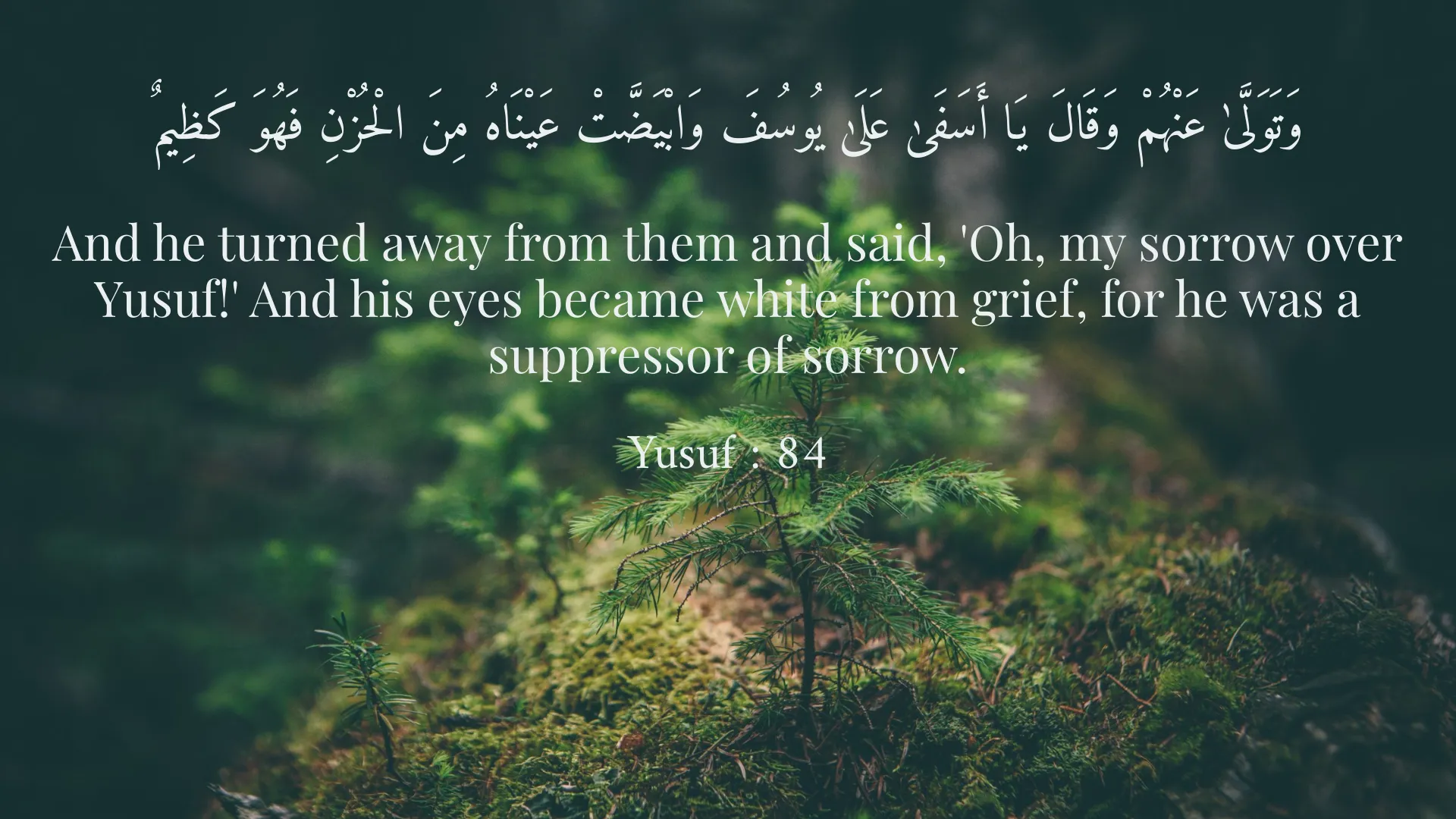
In the teachings of the Holy Quran and the traditions of the Prophet Muhammad (peace be upon him), there is no indication whatsoever that crying, whether in solitude or in public, is a sign of weakness. On the contrary, in many verses and narrations, shedding tears before Allah is considered among the signs of humility, repentance, servitude, and even the depth of one's faith. Human beings are endowed with emotions and sentiments, and Allah has placed these feelings within them. Grief, sorrow, joy, fear, and hope are all inseparable parts of the human experience, and their expression is natural and healthy. Crying, especially in solitude, can be a natural and healthy mechanism for releasing emotions, processing grief, and finding inner peace. It is a way to process pain, alleviate mental stress, and even establish a deeper connection with oneself and the Creator of the universe. For instance, the Quran recounts the story of Prophet Ya'qub (Jacob), who wept so much over the separation from his son Yusuf (Joseph) that he lost his eyesight. In Surah Yusuf, verse 84, it states: "And he turned away from them and said, 'Oh, my sorrow over Yusuf!' And his eyes became white from grief, for he was a suppressor of sorrow." This verse not only refutes the notion of Prophet Ya'qub's crying as a sign of weakness but vividly portrays the profound love and pain of a father who, nonetheless, maintained his faith and trust in Allah. This is a clear example that expressing the deepest sorrows is not contradictory to preserving one's reliance on and faith in God. Indeed, many prophets and righteous individuals shed tears in awe of God's majesty or during times of hardship. These tears were not a result of weakness but rather out of humility, repentance, supplication, and hope for divine mercy. The Quran teaches us that in times of hardship and despair, instead of suppressing emotions, we should turn to Allah and seek help through patience and prayer. In Surah Al-Baqarah, verse 153, Allah says: "O you who have believed, seek help through patience and prayer. Indeed, Allah is with the patient." This verse indicates that patience does not mean suppressing emotions, but rather steadfastness and resilience on the path of truth with reliance on Allah, even while one might express their pain and sorrow. Crying in solitude can provide a safe space for an individual to confront their emotions without fear of judgment from others. It is an opportunity for introspection, self-discovery, and spiritual rejuvenation. In many cultures, crying is mistakenly equated with weakness, but from an Islamic perspective, true strength lies in accepting one's existential reality, including emotions and vulnerabilities, and then turning to Allah for solace and power. The Prophet Muhammad (peace be upon him) also cried on occasions, such as the loss of his children or during his night prayers before his Lord. These instances testify that crying is not merely a sign of weakness; it can be the manifestation of the deepest levels of spiritual and human connection. Ultimately, it must be stated that true strength lies in the courage to face emotions, accept vulnerabilities, and find a healthy way to express them. Crying in solitude, if it does not lead to hopelessness and despair in Allah's mercy, but rather serves as a bridge for a deeper connection with oneself and God, is not a sign of weakness. Instead, it can pave the way for inner peace, self-awareness, and spiritual reconstruction. It is a natural and even sacred process that helps individuals unburden their heavy sorrows and continue life with a purer heart and a more tranquil soul. Therefore, from the Quranic perspective, crying in solitude is far from being a sign of weakness; it can be a vital part of the healing and strengthening process.
Related Verses
وَتَوَلَّىٰ عَنْهُمْ وَقَالَ يَا أَسَفَىٰ عَلَىٰ يُوسُفَ وَابْيَضَّتْ عَيْنَاهُ مِنَ الْحُزْنِ فَهُوَ كَظِيمٌ
And he turned away from them and said, 'Oh, my sorrow over Yusuf!' And his eyes became white from grief, for he was a suppressor of sorrow.
Yusuf : 84
يَا أَيُّهَا الَّذِينَ آمَنُوا اسْتَعِينُوا بِالصَّبْرِ وَالصَّلَاةِ ۚ إِنَّ اللَّهَ مَعَ الصَّابِرِينَ
O you who have believed, seek help through patience and prayer. Indeed, Allah is with the patient.
Al-Baqarah : 153
أُولَٰئِكَ الَّذِينَ أَنْعَمَ اللَّهُ عَلَيْهِم مِّنَ النَّبِيِّينَ مِن ذُرِّيَّةِ آدَمَ وَمِمَّنْ حَمَلْنَا مَعَ نُوحٍ وَمِن ذُرِّيَّةِ إِبْرَاهِيمَ وَإِسْرَائِيلَ وَمِمَّنْ هَدَيْنَا وَاجْتَبَيْنَا ۚ إِذَا تُتْلَىٰ عَلَيْهِمْ آيَاتُ الرَّحْمَٰنِ خَرُّوا سُجَّدًا وَبُكِيًّا ۩
Those were the ones upon whom Allah bestowed favor from among the prophets of the descendants of Adam and of those We carried with Noah, and of the descendants of Abraham and Israel – and of those We guided and chose. When the verses of the Most Merciful were recited to them, they fell in prostration and weeping.
Maryam : 58
Short Story
It is narrated that one day, a man came to Sheikh Saadi and said, "O Master, I weep much in my solitude and I am ashamed of this state, fearing it might be a sign of weakness." Saadi smiled and said, "O friend, tears are never a sign of lack of strength, but sometimes an indication of an abundance of feeling and purity of heart. Just as a spring that flows calmly and silently irrigates the land more than a roaring flood. Every tear shed in solitude plants the seed of hope and peace in the heart. The strongest trees are those whose roots have been watered by the silent tears of the earth. Therefore, weeping in solitude is your field of courage to confront yourself and a step towards a deeper understanding of your being. This is not weakness, but the very truth of humanity and a bridge towards light." The man found peace and his heart was enlightened.