Quranic Answer
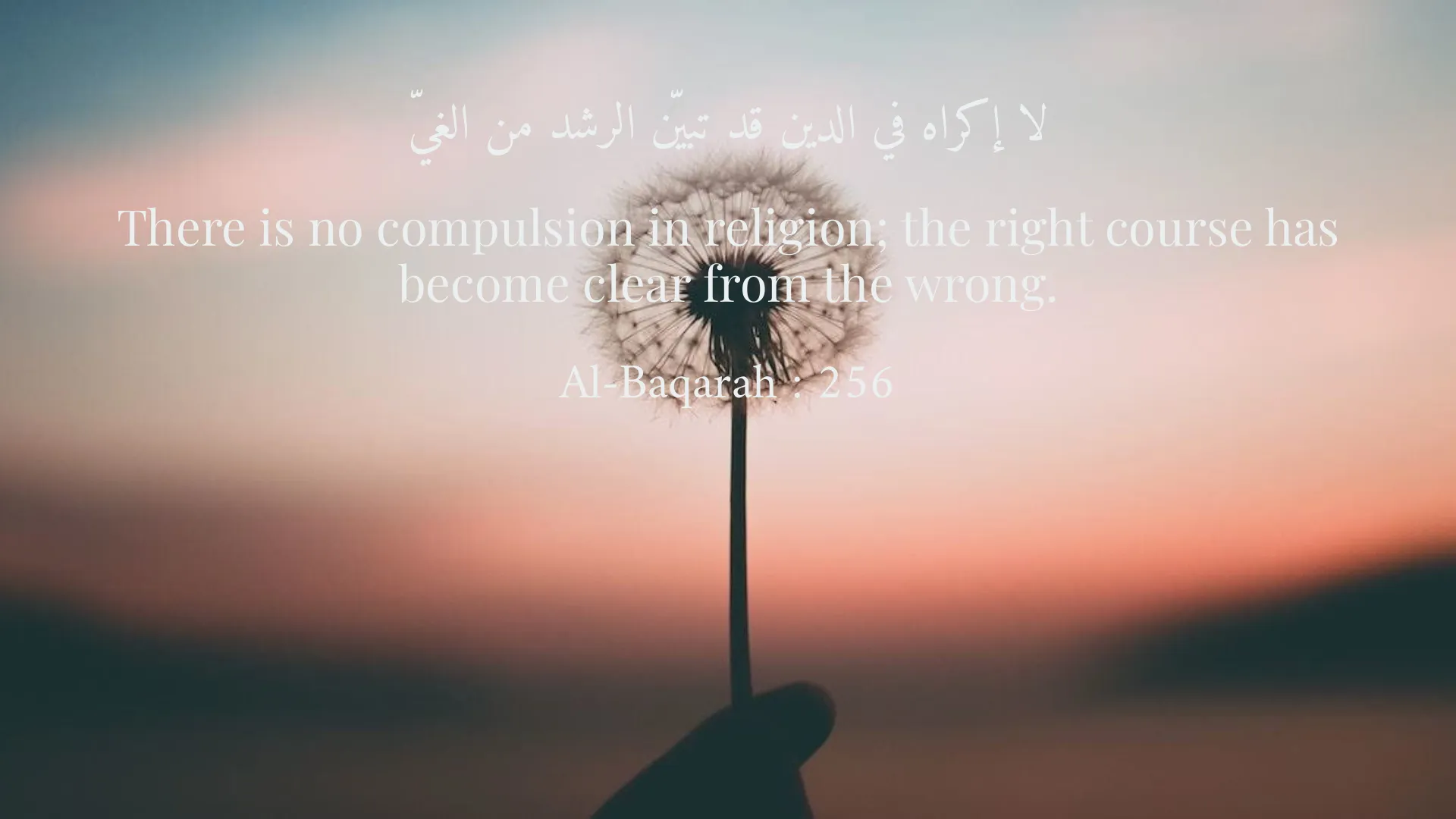
Doubt in faith is a natural human feeling that may arise in every individual's life, especially during challenging times or when confronted with fundamental questions of religion. Faith is a complex construct that intertwines our beliefs, emotions, and experiences. It embodies the trust we place in a higher power, the divine, or God, and often serves as a cornerstone of our identities. Despite its importance, many individuals encounter moments of doubt, and these feelings can be particularly pronounced during periods of hardship or when universal existential inquiries come to the forefront of our consciousness. The Holy Quran, revered as the word of God by Muslims, emphasizes the significance of reinforcing one's faith while simultaneously advising followers to steer clear of doubt and skepticism. Understanding the significance of faith is paramount. Faith is often described as a belief in the unseen, a conviction that transcends empirical evidence yet is nurtured through personal experiences and spiritual encounters. The Quran presents various narratives that serve as exhortations to believers, urging them to fortify their faith. For example, in Surah Al-Baqarah, verse 256, it is stated, 'There is no compulsion in religion; the right course has become clear from the wrong.' This verse encapsulates the essential tenet of faith—that belief must come freely from the heart and should not be coerced. The clarity between truth and falsehood highlighted in this passage is significant; it frames belief as a conscious choice, cultivated through reflection and understanding rather than imposition. While doubt may initially seem counterproductive to faith, it can function as a catalyst for personal growth and the pursuit of truth. When believers encounter uncertainty, it may prompt them to seek deeper insights, engage in critical thinking, and explore various dimensions of their belief systems. Instead of succumbing to despair or feeling guilty about their doubts, individuals can be encouraged to view these moments as opportunities for introspection, dialogue, and education. This journey, sparked by a questioning mindset, can lead them to a more profound understanding of their faith and, by extension, their relationship with God. Integral to this exploration is the concept that doubt should not be regarded solely as a challenge to faith but rather as an ingrained aspect of the human experience. It is a sentiment that reflects our yearning for authenticity and truth. The Quran acknowledges such emotional responses, as seen in Surah Al-Anfal, verse 2: 'Indeed, the believers are those who, when Allah is mentioned, their hearts tremble.' This verse implies that true believers possess a sensitivity towards the divine; their hearts are stirred and moved when they contemplate God's presence. This trembling can arise from a mix of awe and uncertainty, embodying a recognition of one's limitations and the vastness of divine knowledge. In this regard, doubt becomes intertwined with reverence for the divine, and such moments of vulnerability can pave the way for a more grounded and enriched spiritual existence. Faith is often tested through various life circumstances—loss, suffering, existential crises, and moral dilemmas. Such challenges can sow seeds of doubt, leading individuals to grapple with their beliefs actively. However, each moment of questioning can bring about insight and strength. The act of seeking answers is a vital component of faith; it reflects a desire to nurture one's belief and form a more resilient bond with God. As people navigate through their doubts, they may turn toward scripture, engage in discussions with knowledgeable individuals, or immerse themselves in prayer and meditation, all of which serve to strengthen their faith. Additionally, the Quran encourages believers to reflect on the signs of God's creation, urging them to understand their own existence, the world around them, and the profound interconnectedness of all life. Through contemplation, individuals can confront their doubts with an open heart and mind. Engaging with nature, studying the philosophies that underline various beliefs, and embracing a pathway of inquiry contribute to a well-rounded understanding. When doubt propels us into action—be it through seeking knowledge, participating in community discussions, or nurturing relationships with fellow believers—it fosters growth rather than stagnation. One aspect that merits attention is the duality of human experience. Joy and sorrow, certainty and doubt, faith and skepticism coexist harmoniously within the human soul. For many, faith is not a rigid doctrinal stance but a dynamic journey characterized by peaks of belief and valleys of uncertainty. This ebb and flow not only enriches one’s spiritual narrative but can often embed a layer of empathy and understanding toward others in similar journeys. Moreover, the communal aspect of faith offers significant support in overcoming doubt. Engaging with fellow believers provides an opportunity for collective reflection, shared understanding, and the fortification of faith. Religious communities often cultivate an environment in which questioning is met with nourishment rather than condemnation, creating a space where individuals can candidly express their doubts and seek reassurance. This communal support reinforces the notion that while one's personal journey of faith is unique, it is part of a larger tapestry of shared experiences. In conclusion, while doubt may evoke a sense of fear or discomfort, it should not be viewed as a betrayal of faith but rather as an invitation to deepen spiritual understanding. The Holy Quran encourages believers to confront their uncertainty with honesty, reflection, and courage. Through exploring these periods of questioning, individuals can experience a transformation that leads to enriched faith, an awe-inspired connection with the divine, and the fortification of their spiritual journey. Ultimately, faith grows stronger through engagement with doubt and inquiry, guiding believers toward a more profound relationship with God and a clearer understanding of their own beliefs.
Related Verses
لا إكراه في الدين قد تبيّن الرشد من الغيّ
There is no compulsion in religion; the right course has become clear from the wrong.
Al-Baqarah : 256
إنما المؤمنون الذين إذا ذكر الله وجلت قلوبهم
Indeed, the believers are those who, when Allah is mentioned, their hearts tremble.
Al-Anfal : 2
Short Story
One day, a young man named Amir was questioning his faith. He felt some doubts regarding certain religious matters. He decided to discuss his questions with religious scholars. Gradually, as he received logical answers based on the Quran, his doubts turned into an opportunity for learning and spiritual growth. He realized that these fluctuations in his faith were not harmful but rather led him to a deeper understanding and closer connection with God.