Quranic Answer
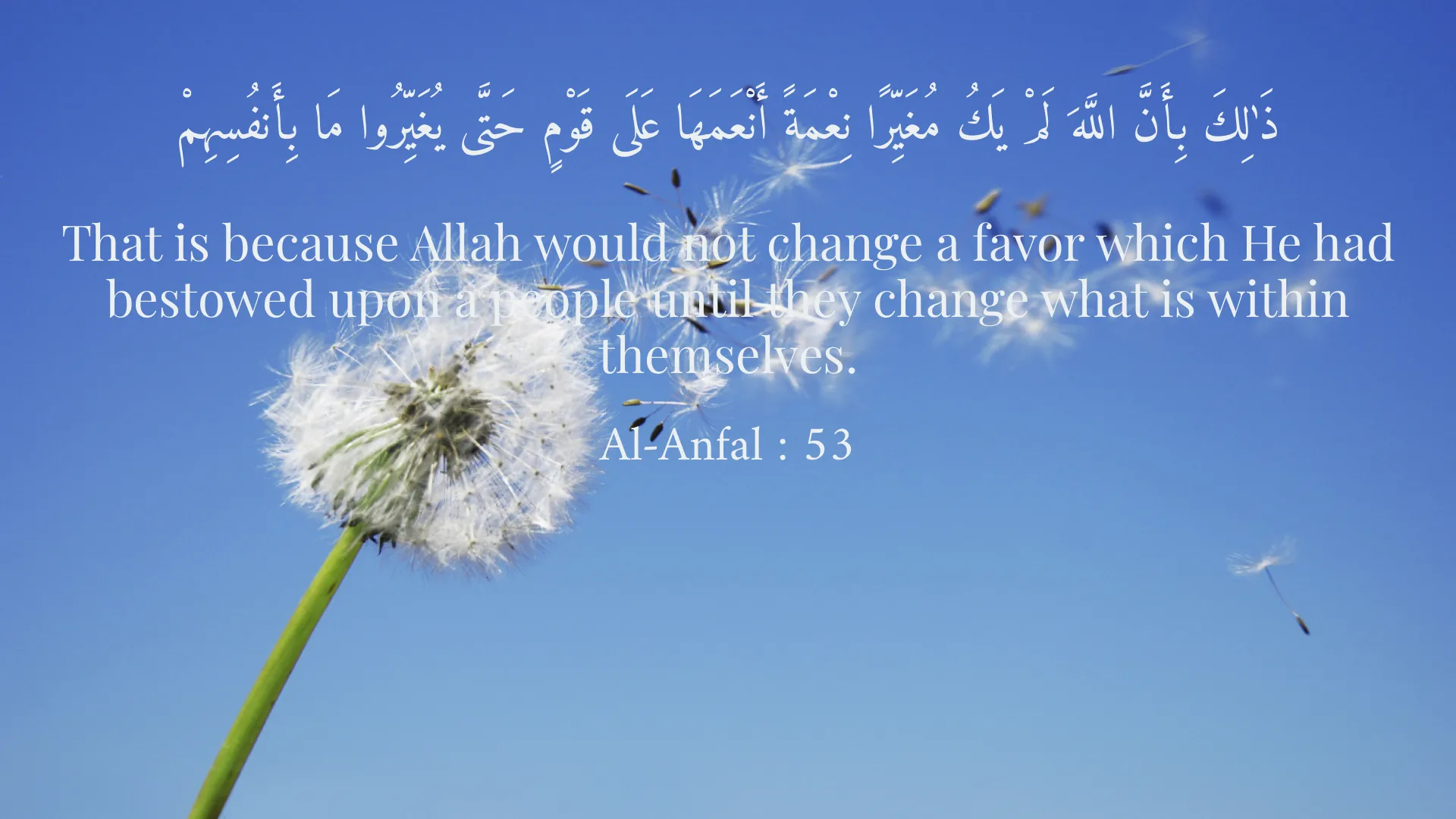
Forgetting a sin is a complex issue when viewed through the lens of Islamic theology. The Quran, while not explicitly mentioning the act of forgetting a sin, introduces various concepts that relate to the idea of sin, repentance, and divine mercy. To understand the ramifications of forgetting a sin, we must first delve into the teachings of the Quran, particularly focusing on the themes of mercy, accountability, and human fallibility. In Surah Al-Anfal, verse 53, Allah states: "That is because Allah would not change a favor which He had bestowed upon a people until they change what is within themselves." This verse highlights a significant aspect of divine favor and the human condition. It suggests that the blessings and bounties bestowed by Allah upon individuals or nations are contingent upon their internal states and actions. When a person forgets a sin, it may also reflect a transformation or change within themselves — either genuinely repenting and turning to Allah or simply failing to acknowledge their past misdeeds. This necessitates a deeper inquiry into the nature of forgetting a sin. Forgetting a sin can symbolize relief from the weight and burden that sin carries. This forgetfulness should not, however, lead to negligence or the impulse to re-engage in sinful behaviors. The Quran teaches the importance of self-awareness and mindfulness concerning one’s actions. As mentioned in Surah Al-Baqarah, verse 286: "Allah does not burden a soul beyond that it can bear," encapsulating the notion of divine mercy. The significance of this verse lies in its reassurance that while human beings are fraught with imperfections, Allah understands the limits of an individual’s capacity to resist temptation and sin. Hence, forgetting a sin might imply that Allah, in His infinite mercy, allows individuals to move beyond their past misdeeds, particularly if they approach Him with sincerity and a repentant heart. Repentance, or 'Tawbah,' is a crucial component of Islamic belief. The Quran consistently emphasizes its importance, declaring in Surah Al-Baqarah, verse 222: "Indeed, Allah loves those who repent." This phrase illustrates how crucial it is for believers to return to Allah after sinning, regardless of their past actions. Forgetting a sin or moving past it can become a transformative experience when it aligns with a person’s sincere repentance. When one forgets a sin while simultaneously seeking forgiveness and striving for improvement in their behavior, such forgetfulness can become an auspicious moment of spiritual awakening. Human nature is inherently flawed; mistakes and forgetfulness are part of the human experience. The Quran acknowledges this and emphasizes the importance of how individuals respond to their shortcomings. Instead of dwelling on guilt and fear regarding forgotten sins, the focus should pivot toward meaningful repentance and improving one's conduct. This perspective is liberating and reflects a deep understanding that Allah is both merciful and compassionate. The concept of forgetting a sin should not ultimately be an excuse for indulgence in wrongdoing; instead, it should provoke genuine self-reflection and a commitment to mending one’s ways. Forgetfulness in the context of sin can become a catalyst for personal change. For instance, if a person once engaged in dishonest dealings and has since repented, forgotten their past, and actively endeavors to lead a life characterized by honesty, their actions can exemplify a transformed character. Moreover, in the broader scope, the act of seeking forgiveness is not just a personal endeavor but a communal responsibility. Islam encourages believers not only to seek forgiveness for themselves but also to foster an environment conducive to repentance and growth within their communities. This collective pursuit of forgiveness, coupled with forgetting past grievances, binds the Ummah (community of believers) together and reinforces social harmony. Thus, an individual's journey leads to the betterment of society, reflecting the Quranic teaching that actions have consequences beyond the individual level. In this discussion, it becomes imperative to consider the balance between individual accountability and divine mercy. One may forget a sin, but it is the recognition of that sin and the subsequent action of repentance that solidifies one's standing before Allah. This notion ties back to the understanding that forgetting is a natural human process, yet it demands a conscious effort to transform that forgetfulness into a positive light through sincere remorse and a commitment to righteous living. The process of forgetting sin can thus become a double-edged sword: on one side, it can signify liberation, a release from the burdens of past transgressions that hinders spiritual progress; on the other side, if met with apathy and neglect, it can lead to a complacency that contradicts the teachings of the Quran. Ultimately, the Quran provides a moral framework that encourages believers to strive for self-betterment continuously. This deliberation on the narrative of forgetting sins emphasizes that are integral to human experience while also reinforcing the importance of striving for accountability, repentance, and recognizing Allah’s boundless mercy. As one navigates the complexities of life and strives to sincerely amend their ways, forgetting a sin becomes not merely an act of letting go but a transformative step toward gaining the divine pleasure of Allah. Thus, forgetting a sin while integrating sincere repentance and a genuine commitment to improvement can lead to spiritual elevation and divine mercy. This balance embodies the essence of the Islamic faith, where human flaws converge with the promise of forgiveness and redemption from the Almighty.
Related Verses
ذَٰلِكَ بِأَنَّ اللَّهَ لَمْ يَكُ مُغَيِّرًا نِعْمَةً أَنْعَمَهَا عَلَى قَوْمٍ حَتَّى يُغَيِّرُوا مَا بِأَنفُسِهِمْ
That is because Allah would not change a favor which He had bestowed upon a people until they change what is within themselves.
Al-Anfal : 53
لَا يُكَلِّفُ اللَّهُ نَفْسًا إِلَّا وُسْعَهَا
Allah does not burden a soul beyond that it can bear.
Al-Baqarah : 286
إِنَّ اللَّهَ يُحِبُّ التَّوَّابِينَ
Indeed, Allah loves those who repent.
Al-Baqarah : 222
Short Story
One day, Adel, a faithful young man, was pondering over his life. He recalled what he read in the Quran and realized that humans may err and forget in life. However, the important part is to return to God with repentance and hope for His mercy. He decided to pray more and get closer to Allah, aiming to make amends for any sins committed through sincere repentance. Adel began to feel a sense of weight lifted and greater peace, grateful for how Allah had forgiven him.