Quranic Answer
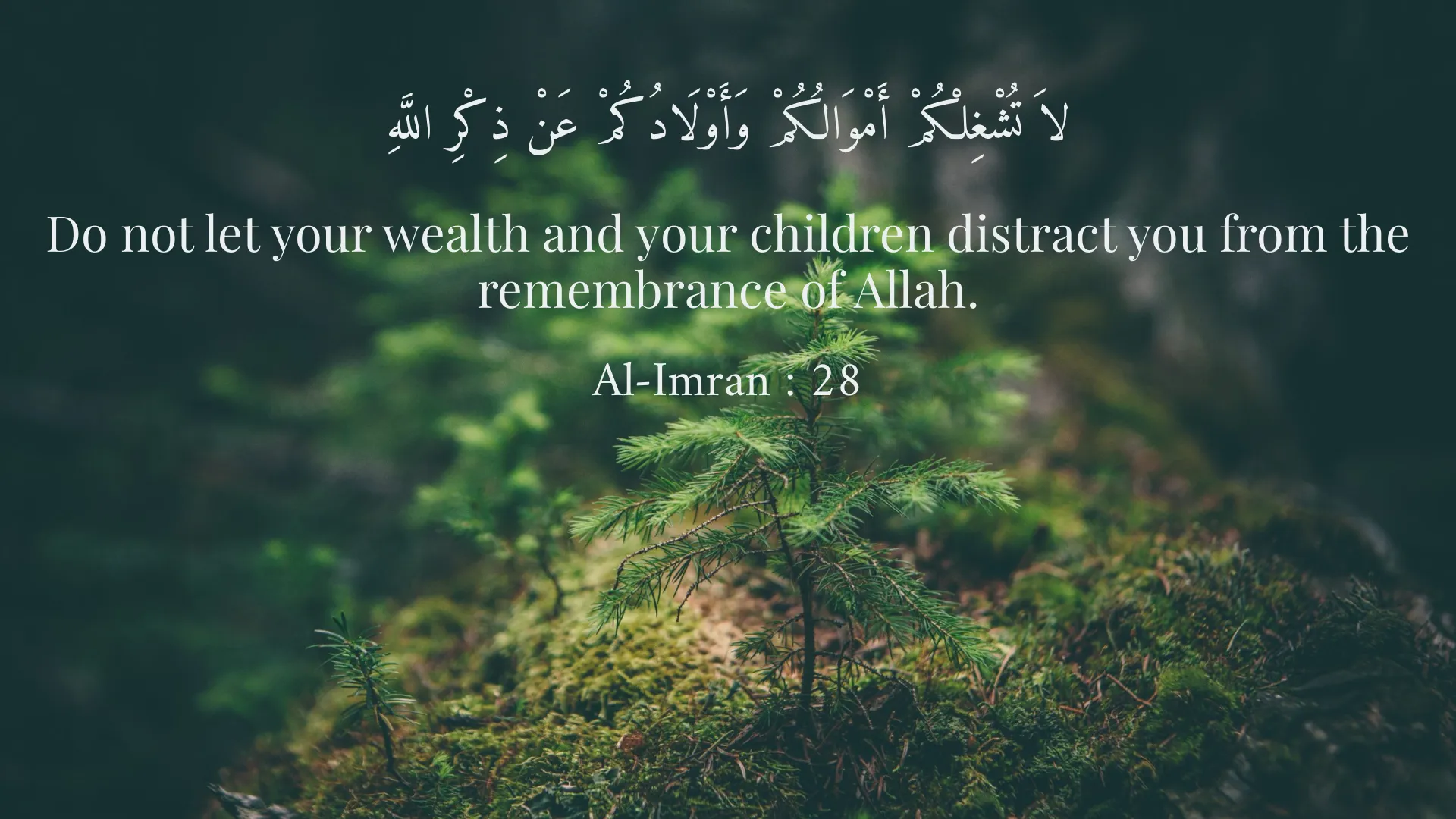
Forgetting God is generally considered a type of sin, which is emphasized in the Holy Quran. The concept of forgetting God and the resulting consequences is not merely a theological abstraction; it resonates deeply with the lived experiences of individuals. The Holy Quran, regarded as the ultimate source of guidance for Muslims, presents various verses that remind believers of the importance of maintaining a strong connection with Allah. In understanding the implications of forgetting God, it is essential to explore the verses that underline this principle and to reflect on how this neglect can influence various aspects of life. The significance of remembering God can be found in Surah Al-Imran, verse 28, which states: 'O you who have believed, do not let your wealth and your children distract you from the remembrance of Allah.' This verse serves as a poignant reminder that worldly attachments, such as family and material possessions, should not hinder one's relationship with the Creator. The admonition is clear: distractions can lead to a neglect of the self, ultimately distancing individuals from their spiritual purpose. In a world often preoccupied with material success, the verse emphasizes the need for balance. Individuals are reminded that their priorities should align with their faith, reflecting the importance of spiritual alignment over worldly distractions. Additionally, Surah Al-Baqarah, verse 152 states: 'So remember Me; I will remember you.' This verse encapsulates a reciprocal relationship between believers and Allah. It highlights that remembrance is not a one-sided endeavor; rather, it fosters a profound connection. By remembering Allah, individuals invite His presence into their lives, creating a sense of peace, guidance, and solace. The relationship forged through remembrance catalyzes a sense of commitment and devotion, compelling believers to live a life consistent with the values and teachings of Islam. The consequences of forgetting God extend beyond spiritual ramifications. In neglecting this vital connection, individuals may find themselves experiencing a disconnection from their true selves, leading them to question their purpose and significance in the world. The intrinsic value of life becomes obscured, and one may fall prey to existential doubts that can ultimately be detrimental to one's mental and emotional well-being. The void left by neglecting God creates an environment conducive to despair, anxiety, and uncertainty. Therefore, it is crucial to recognize that forgetting God equates to abandoning a source of strength and guidance. Moreover, the absence of a relationship with God can manifest in life challenges and difficulties. Individuals may navigate through life's trials with a sense of isolation and confusion, lacking the clarity that faith and remembrance can provide. In moments of sadness and despair, those who forget God are often left to rely solely on their own limited understanding of the world. This self-reliance can lead to a downward spiral, where the individual becomes increasingly detached from their faith. The Quran emphasizes that trials and tribulations are part of the human experience; however, being anchored in faith provides stability and resilience in the face of adversity. The emphasis on remembrance further strengthens one’s character and moral compass. When individuals are attuned to the divine presence through their actions and thoughts, they are more likely to embody qualities such as compassion, kindness, and humility. Forgetting God, on the other hand, can lead to moral ambiguity and a lack of accountability. In a society that often prioritizes self-interest and instant gratification, the reminder to stay connected with God can steer individuals towards higher virtues and a clearer understanding of right and wrong. In academic discussions regarding the relationship between spirituality and mental health, scholars have identified a strong correlation between spiritual well-being and emotional stability. The act of remembering God can foster a sense of belonging and purpose, as well as offer comfort in times of distress. Engaging in regular acts of worship and reflection fosters mindfulness and encourages individuals to live in the moment. The practice of remembrance helps to cultivate gratitude, which is known to significantly improve overall happiness and satisfaction in life. But what happens when one neglects this vital connection? The consequences extend to both worldly and spiritual realms. In the afterlife, those who forget God may face consequences that reflect their choices on earth. The teachings of Islam emphasize accountability in the hereafter, where individuals will be judged based on their deeds and relationship with their Creator. The very essence of faith is intertwined with actions; thus, neglecting God diminishes the chances of attaining eternal peace and fulfillment. As we navigate the complexities of life, it is essential to recognize the importance of maintaining a steady relationship with God. Engaging in practices that enhance remembrance—through prayer, contemplation of creation, and community interaction—helps to fortify this bond. Societal norms and expectations may pull us in various directions, but it is through active remembrance that individuals can ground themselves in purpose and meaning. In conclusion, neglecting God is not merely a religious lapse; it has profound implications on the individual’s spiritual, mental, and emotional health. The Quran explicitly warns against the distractions posed by worldly attachments and encourages believers to prioritize their relationship with Allah. Remembering God leads to fulfilling one's purpose and experiencing spiritual peace, while forgetting Him can plunge an individual into confusion and despair. As believers, we must strive to cultivate an ongoing remembrance of God in all aspects of life, thereby nurturing our connection with the divine and enriching our experiences in both this world and the hereafter.
Related Verses
لاَ تُشْغِلْكُمْ أَمْوَالُكُمْ وَأَوْلَادُكُمْ عَنْ ذِكْرِ اللَّهِ
Do not let your wealth and your children distract you from the remembrance of Allah.
Al-Imran : 28
فَاذْكُرُونِي أَذْكُرْكُمْ
So remember Me; I will remember you.
Al-Baqarah : 152
Short Story
One day, a man sat by the sea, staring at the waves. He felt that his life had been severely neglected, as he was always preoccupied with work and daily concerns, forgetting about God. He decided that he needed to dedicate more time to worship and contemplation of God. After a few weeks, he realized that his life had improved, and he had found greater peace.