Quranic Answer
Forgiveness is a significant value in both Islamic teachings and human morals, embodying an essential part of what it means to coexist in a community and uphold positive interpersonal relationships. Within Islamic doctrine, the concept of forgiveness is profoundly emphasized, encouraging believers to adopt forgiving behaviors as a way to attain Allah's love and mercy. The Quran, regarded as the holy book of Islam, contains numerous verses that elucidate the profound impact of forgiveness through examples and commandments. The act of forgiving is viewed not only as a personal virtue but also as a communal necessity that strengthens bonds among individuals. In Surah Al-Imran, verse 134 states: "Those who spend in the way of Allah during ease and hardship and who restrain anger and who pardon the people—and Allah loves the doers of good." This particular verse highlights the multi-faceted nature of forgiveness, emphasizing traits such as patience and generosity. The act of forgiving others, according to this interpretation, is aligned with spending in the name of Allah—suggesting that forgiveness is an investment in spiritual wealth that yields immeasurable rewards in the Hereafter. Moreover, Surah An-Nur, verse 22, proclaims: "And let them pardon and overlook. Would you not like for Allah to forgive you? And Allah is Forgiving and Merciful." This verse serves a dual purpose—it encourages individuals to forgive others while reminding them of their own need for forgiveness from Allah. It illustrates that forgiveness is not merely an altruistic gesture but a reciprocal act; just as we seek Allah's mercy, we must extend mercy to others. The compassionate nature of Allah is a guiding principle that inspires believers to cultivate a forgiving heart, as the act of pardoning others aligns them closer to divine qualities. In practical terms, incorporating forgiveness into our daily lives can initially appear daunting, especially when intertwining emotions such as anger and hurt emerge. The process of forgiving those who have caused pain often requires introspection and a willingness to release grudges. However, the psychological benefits derived from forgiveness can be substantial, promoting mental and emotional well-being. When we harbor resentments and grievances, we can become weighed down by the negative feelings associated with those experiences. Letting go of such feelings can pave the way for emotional healing and personal growth. On a broader scale, the implications of forgiveness extend beyond personal healing into the realm of societal harmony. In communities marked by conflict, the principles of forgiveness can serve as vital building blocks for reconciliation. Understanding and forgiving past grievances can lead to peaceful coexistence and collaboration among different groups. In regions experiencing long-standing disputes, the call for forgiveness by religious and community leaders can foster an environment conducive to healing and unity. The transformative power of forgiveness, in essence, can lead to societal repair and restoration, promoting peace and understanding. Furthermore, the role of forgiveness can never be underestimated when examining familial dynamics. Strains in family relationships can emerge from misunderstandings, differing viewpoints, and emotional conflicts. Engaging in forgiveness within familial settings can mended wounds and foster a nurturing environment. It can help parents to become more patient with their children, strengthen spousal bonds, and provide siblings the tools they need to work through conflicts amicably. In this way, forgiveness can create a ripple effect that transcends individual relationships, ultimately enhancing family cohesion and stability. Reflecting on the nature of forgiveness reveals that it is deeply intertwined with our humanity. It embodies qualities such as empathy, understanding, and compassion—attributes that allow us to connect profoundly with one another. Reflecting on our shared human experiences, we can more easily recognize the vulnerability that comes with being imperfect individuals. The acknowledgment that everyone is susceptible to making mistakes fosters an environment in which forgiveness can blossom. The journey toward forgiveness may involve several emotional stages, including denial, anger, bargaining, depression, and finally, acceptance. Recognizing that this process is not linear, individuals must allow themselves the grace to experience their emotions fully. Choosing to forgive ultimately involves a conscious decision to let go of the desire for retribution and to focus on the possibility of renewal. This decision is often fueled by the understanding that forgiveness is less about the offender and more about freeing oneself from the chains of negativity that resentment keeps attached. In conclusion, forgiveness is not merely an act of kindness; it embodies a vital principle rooted deeply in Islamic teachings, encompassing both personal and communal dimensions. By embracing forgiveness, individuals can experience transformative benefits that lead to greater inner peace and healing. The power of forgiveness resonates not only in personal relationships but ripples out into the fiber of society, fostering an atmosphere of compassion, understanding, and unity. Through the teachings of the Quran and the lived experiences of countless individuals, we learn that the journey towards forgiveness may not be effortless, but the rewards it brings can be profound, illuminating our lives with a sense of relief and tranquility. Ultimately, as we navigate relationships and encounters in our lives, we are encouraged to foster forgiveness—a guiding light that helps us transcend our grievances and embrace a more vibrant existence.
Related Verses
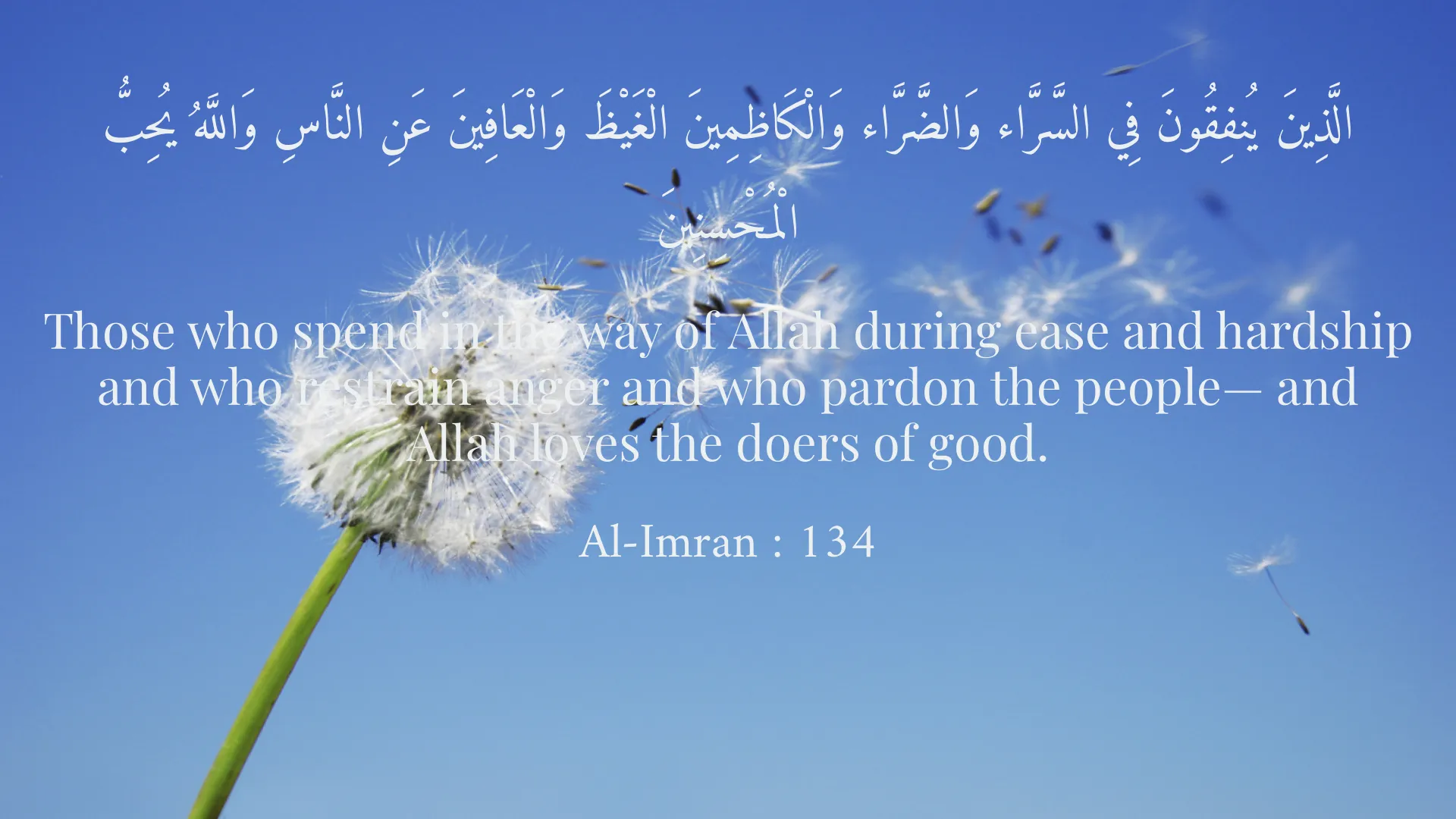
الَّذِينَ يُنفِقُونَ فِي السَّرَّاء وَالضَّرَّاء وَالْكَاظِمِينَ الْغَيْظَ وَالْعَافِينَ عَنِ النَّاسِ وَاللَّهُ يُحِبُّ الْمُحْسِنِينَ
Those who spend in the way of Allah during ease and hardship and who restrain anger and who pardon the people— and Allah loves the doers of good.
Al-Imran : 134
وَلْيَعْفُو وَلْيَصْفَحُوا ۚ أَلَا تُحِبُّونَ أَن يَغْفِرَ اللَّهُ لَكُمْ ۗ وَاللَّهُ غَفُورٌ رَّحِيمٌ
And let them pardon and overlook. Would you not like for Allah to forgive you? And Allah is Forgiving and Merciful.
An-Nur : 22
Short Story
Once upon a time, there was a man named Hasan who had hurt a child from his friend. Initially, he was upset and thought of revenge. However, after hearing a saying from a scholar, he recalled the Quranic verses that emphasize forgiveness. Hasan decided to let go of resentment and open his heart for forgiveness. He spoke to his friend, and after that, not only was their friendship restored, but Hasan also felt a greater sense of happiness and peace.