Quranic Answer
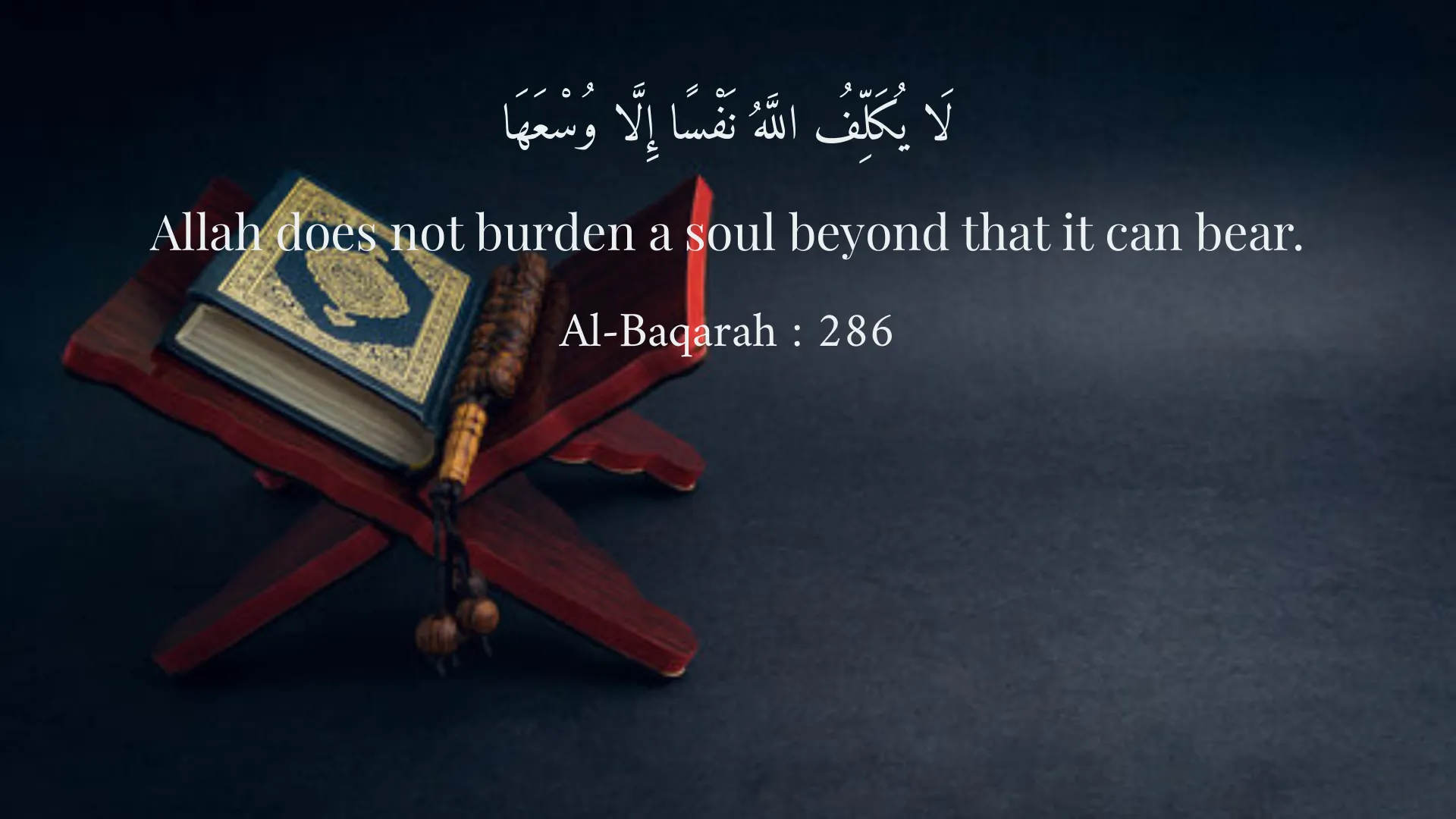
In the Holy Quran, Allah clearly indicates that He is aware of the situation of His servants and never forgets them. This central theme of divine awareness and compassion resonates throughout the text and serves as a source of comfort and guidance for millions of believers. The Quran, considered the literal word of God in Islam, presents teachings that are not only spiritual but also deeply rooted in human psychology and the challenges that individuals face in their lives. One of the most profound verses that encapsulate this idea is found in Surah Al-Baqarah, verse 286, where Allah states: 'Allah does not burden a soul beyond that it can bear.' This verse is essential as it reassures individuals that Allah has a deep understanding of the limitations and strengths of His creations. It serves as a reminder that while life may present challenges that seem insurmountable, those challenges are never beyond one’s capacity to manage. Allah’s insight into the human experience suggests that He is familiar with each individual’s circumstances and the unique trials they face. Moreover, in Surah Ar-Rahman, verse 59, Allah says: 'O assembly of jinn and mankind, if you are able to pass beyond the regions of the heavens and the earth, then pass beyond them.' This verse further emphasizes Allah’s omniscience and His awareness of all His creations. It serves as a reminder that no matter how isolated or desperate one might feel, Allah is aware of their existence and is calling them towards His mercy. The imagery of the vastness of the heavens and the earth illustrates the great lengths to which Allah is aware of the universe and, by extension, the individual experiences of every person. An additional layer to this understanding is presented in Surah At-Talaq, verse 30, where Allah states: 'And whoever fears Allah - He will make for him a way out.' This verse signifies that piety and consciousness of Allah can lead to guidance in times of distress. It emphasizes a reciprocal relationship between Allah and His servants; the more one strives to embody righteousness, the more divine assistance one can expect. This is an encouragement for believers to cultivate their relationship with Allah, as it implicitly assures them of His support in the face of life’s adversities. The Quran does not shy away from the reality of loneliness and despair that many individuals experience. In fact, it acknowledges such feelings and provides solace through the promise of Allah's unwavering presence. The belief that Allah is always with His servants acts as a balm for the wounded hearts of those who may feel abandoned or burdened. In these moments of darkness, turning to Allah becomes a source of hope and strength. The verses of the Quran remind believers that they are never truly alone; instead, they can find companionship and support in their relationship with the Divine. Moreover, the concept of Allah’s support extends beyond mere acknowledgment of one’s plight. The Quran emphasizes the active role Allah plays in the lives of His servants. During hard times, it is important for believers to recognize that their struggles are seen and understood by Allah, and, as such, they can seek His guidance. This relationship is not transactional but rather one of love and care, where Allah offers mercy and assistance to those who show reverence and turn to Him with sincerity. Believers are encouraged in various verses to trust in Allah's wisdom and timing, even when immediate solutions are not apparent. Furthermore, the Quran frequently provides narratives and examples of past prophets who faced overwhelming odds yet maintained their faith in Allah's plan for them. Their stories illustrate resilience and the power of unwavering belief in the face of adversity. This serves to remind individuals that their struggles are part of a broader narrative and that there is purpose even in hardship. The reflection on their experiences can inspire current generations to endure in their faith, reinforcing the idea that Allah is aware and supportive. In the broader context of human relationships, the Quran’s assurance of Allah’s attention and support can serve as a model for how individuals engage with one another. Just as Allah is present for His servants, so too should individuals be attentive to those around them. This divine guidance encourages a community of compassion, where people support each other in times of need, reflecting Allah’s attributes by embodying empathy and kindness. Ultimately, the repeated affirmations of Allah’s awareness and support found within the Quran inspire a foundation of hope and faith that encourages believers to remain steadfast during challenging times. It cultivates a mindset focused on submission and trust in Allah’s ultimate plan, which can lead the individual through feelings of loneliness toward a deeper understanding of their purpose and connection. In conclusion, the verses of the Quran serve as a powerful reminder of Allah’s unwavering presence and support for His servants. The themes of divine awareness in Surah Al-Baqarah, Surah Ar-Rahman, and Surah At-Talaq illustrate a relationship built on compassion and guidance. For those feeling lonely or burdened, turning to Allah offers solace and hope, reinforcing the belief that they are never alone and that help is always within reach. By maintaining faith in Allah’s mercy, individuals can find the strength to navigate their struggles, ultimately leading them toward greater fulfillment and peace.
Related Verses
لَا يُكَلِّفُ اللَّهُ نَفْسًا إِلَّا وُسْعَهَا
Allah does not burden a soul beyond that it can bear.
Al-Baqarah : 286
يَا مَعْشَرَ الْجِنِّ وَ الْإِنْسِ إِنِ اسْتَطَعْتُمْ أَنْ تَنْفُذُوا مِنْ أَكْذَافِ السَّمَاوَاتِ وَ الْأَرْضِ فَانْفُذُوا
O assembly of jinn and mankind, if you are able to pass beyond the regions of the heavens and the earth, then pass beyond them.
Ar-Rahman : 59
وَمَن يَتَّقِ اللَّهَ يَجْعَل لَّهُ مَخْرَجًا
And whoever fears Allah - He will make for him a way out.
At-Talaq : 30
Short Story
Once upon a time, there was a man named Ahmad who was engulfed in his loneliness. He prayed to God and felt like no one cared about him. However, when he referred to the verses of the Quran, he realized that Allah is always near and never abandoned him, filling his heart with peace. He understood that he was never alone and that God was always with him.