Quranic Answer
Emotions are an intrinsic part of the human experience, shaping thoughts, actions, and interactions with others. In the context of spirituality and morality, emotions such as hatred and animosity hold substantial weight, particularly in religious texts. The Holy Quran, as the sacred scripture of Islam, offers profound insights into a spectrum of human emotions, contrasting negative feelings like hatred with positive ones such as love and forgiveness. This article explores the Quranic perspective on human emotions, focusing on the scriptures that address animosity and advocate for compassion and forgiveness. One of the primary aspects the Quran addresses regarding human emotions is that they are natural and often influenced by circumstances surrounding an individual’s life. Hatred and animosity can arise for various reasons, including personal grievances, societal pressures, and misunderstandings. However, the Quran reminds believers that while these emotions may surface, it is crucial to recognize their potential to lead one astray from the path of righteousness. For instance, Surah Al-Imran, verse 134, serves as a powerful reminder of the virtue of patience and forgiveness. In this verse, Allah states: "And those who spend in the cause of Allah during ease and hardship and who restrain anger and who pardon the people - and Allah loves the doers of good." This verse highlights the significance of controlling one's emotions, particularly anger and resentment, which can manifest as hatred when provoked. The act of restraining anger is presented as a noble quality, indicating that individuals who do so not only exemplify a strong moral character but also become beloved by Allah. The Quran, therefore, places a significant emphasis on the ability to forgive others, advocating for a collective understanding that relationships and communities thrive when individuals choose to respond to animosity with compassion. Moreover, in Surah Al-Ma'idah, verse 13, Allah advises, "Do not throw yourselves into destruction by your own hands." This directive implies that harboring hatred and allowing it to dictate one's actions can lead to self-destruction and turmoil within the community. The verse serves as a caution against the consequences of allowing negative emotions to fester, illustrating the wisdom of embracing forgiveness and reconciliation instead. The Quran does not merely condemn hatred; it also provides a guiding framework for individuals to transform their emotional responses toward others. The teachings encourage believers to reflect on their actions and to understand that hatred can be a disease of the heart, detrimental to one's spiritual well-being and societal harmony. Thus, the detrimental effects of animosity extend beyond the individual, affecting families, friendships, and community relations. The Quranic perspective on forgiveness is enriched by numerous examples from the life of Prophet Muhammad (peace be upon him), who epitomized the ideals of mercy and benevolence. Throughout his life, he faced animosity and opposition, yet consistently responded with forgiveness and understanding. His interactions with those who wronged him highlight the possibility of healing through love and compassion, setting a powerful example for followers. One significant event in Prophet Muhammad's life is the Treaty of Hudaybiyyah, where he demonstrated extraordinary patience and willingness to forgive despite provocation. Instead of succumbing to hatred and seeking revenge, he pursued a peaceful resolution, fostering unity and understanding among various factions. Such incidents profoundly illustrate how forgiveness can lead to transformative outcomes, reinforcing the message conveyed in the scriptures. In addition to promoting forgiveness, the Quran also addresses the importance of empathy and understanding when experiencing animosity. Surah Al-Hujurat, verse 11 states, "O you who have believed, let not a people ridicule [another] people; perhaps they may be better than them..." This verse underscores the need for humility and the recognition that every individual has their struggles and shortcomings. When believers perceive others through this lens of empathy, they are often less inclined to harbor hatred and more likely to foster understanding. Furthermore, the Quran invites believers to engage in positive action as a remedy for negative emotions. Acts of kindness, charity, and community service are hailed as vital components of the faith, creating the opportunity for individuals to replace feelings of hatred with love and empathy. When communities come together with the intent to support one another, animosity dissipates, and a sense of belonging and unity prevails. Ultimately, the teachings of the Quran convey a powerful message about the transience of human emotions. While hatred and animosity may arise, the call toward love, forgiveness, and compassion remains steadfast. The Quran encourages individuals to visualize a world where forgiveness triumphs over resentment and where love fosters peace within and among communities. The view that hatred can be forgiven signifies the overarching theme of redemption that permeates the Quranic message. In conclusion, the Holy Quran offers invaluable insights into the complexity of human emotions, especially regarding hatred and forgiveness. It implores believers to recognize the impermanence of negative feelings and the enduring power of mercy and compassion. Through the verses, examples from the life of the Prophet Muhammad, and teachings on empathy, the Quran stands as a beacon of guidance, urging individuals to transcend animosity and foster a culture of forgiveness. Thus, while hatred may exist in the hearts of individuals, the road to compassion and love is always open, and the choice to embrace it lies with each person. This transformative journey ultimately leads not just to personal redemption but to harmony within families and communities, reinforcing the Quranic vision of a world united in love and understanding.
Related Verses
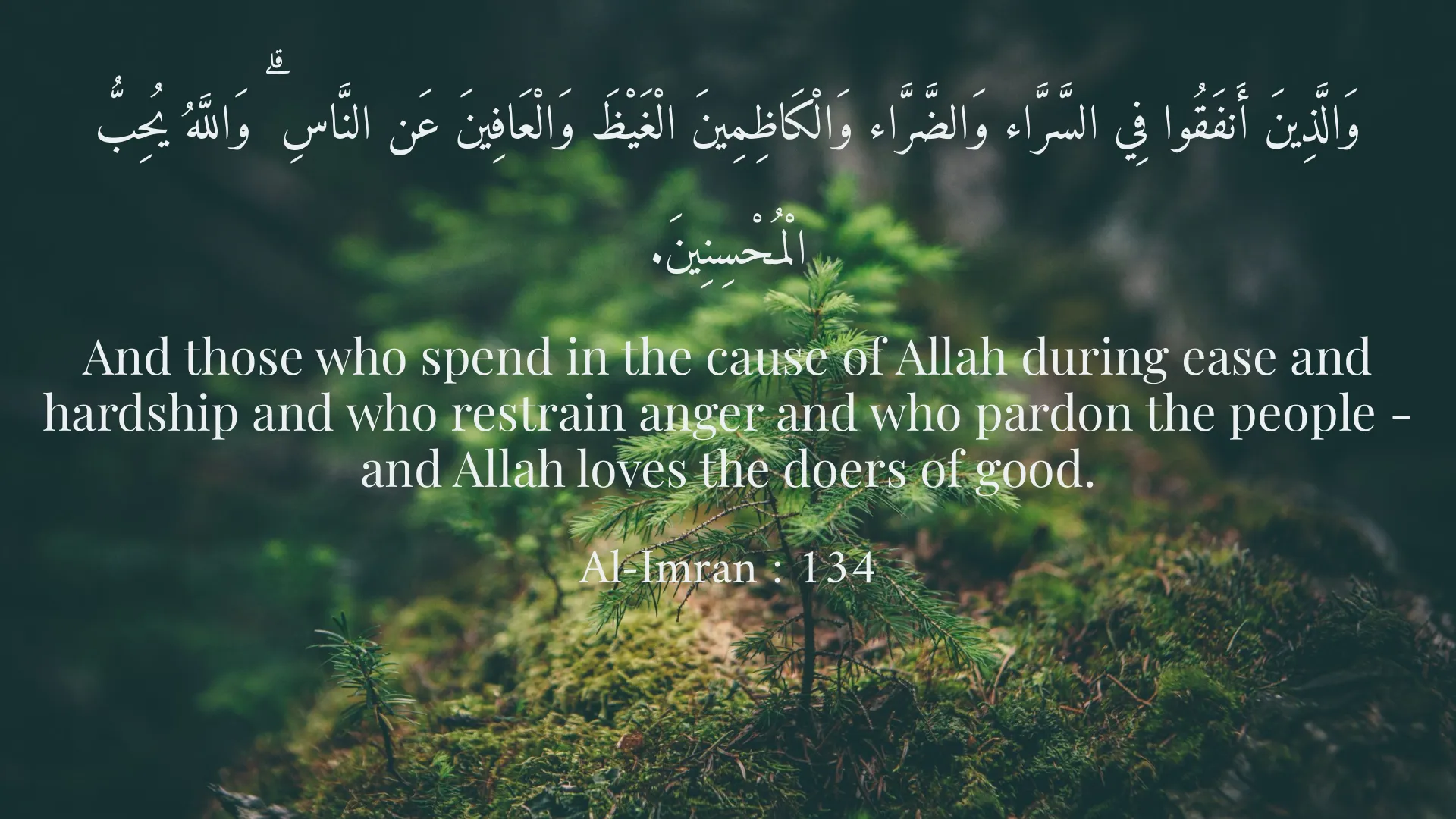
وَالَّذِينَ أَنفَقُوا فِي السَّرَّاء وَالضَّرَّاء وَالْكَاظِمِينَ الْغَيْظَ وَالْعَافِينَ عَن النَّاسِ ۗ وَاللَّهُ يُحِبُّ الْمُحْسِنِينَ.
And those who spend in the cause of Allah during ease and hardship and who restrain anger and who pardon the people - and Allah loves the doers of good.
Al-Imran : 134
وَلَا تَجْعَلُوا أَيْدِيَكُمْ إِلَى التَّهْلُكَةِ بِأَيْدِيكُمْ.
And do not throw yourselves into destruction by your own hands.
Al-Ma'idah : 13
Short Story
Once there was a man named Hossein who fell out with his long-time friend due to intense hatred. Remembering the verses of the Quran, Hossein decided to let go of his resentment and return to friendship. He approached his friend and apologized. His friend forgave him, and they became friends again. Hossein felt a sense of peace and joy in his heart and realized that hatred only robbed him of tranquility.