Quranic Answer
The theme of helping others is one of the foundational pillars of human life, especially as depicted in the Holy Quran. This sacred text is not just a religious scripture; it is a comprehensive guide providing principles for personal conduct, social justice, and moral responsibility. One of its primary teachings is the emphasis on kindness and assistance towards others, which is encapsulated in various verses throughout the Quran. The significance of this theme cannot be overstated, as it lays the groundwork for harmonious coexistence in society, fostering an environment of respect, empathy, and mutual support. One of the most powerful verses that highlight the importance of helping others can be found in Surah Al-Ma'idah, verse 32, where Allah states: 'Whoever saves a life, it is as though he has saved all mankind.' This profound statement underlines the sanctity of life and the weight of the responsibility placed upon individuals to preserve and protect it. It suggests that every act of kindness, every attempt to assist someone in distress, holds immense value and significance. This verse transcends religious boundaries, resonating with universal human values that recognize the worth of every individual life. The act of saving a life is not just a physical restoration, but a spiritual one as well; it acknowledges the interconnectedness of humanity. However, the notion of helping others, especially those who may have strayed from the path of righteousness, must be approached with caution and grounded in divine principles. In Surah Luqman, verse 17, Allah commands: 'O my son, establish prayer, enjoin what is right, and forbid what is wrong, and be patient over what befalls you.' This verse underlines the responsibilities of believers in their interactions with others. The concept of enjoining what is right and forbidding what is wrong is critical. Helping sinners does not mean facilitating their sins or supporting immoral acts; rather, it calls for reforming and guiding them back to the right path—the divine path. This principle is crucial because it balances compassion with moral integrity, ensuring that while we support one another, we do not compromise our ethical standards. The Quran repeatedly stresses the importance of personal responsibility and accountability, both to oneself and to the broader community. Surah Al-Furqan, verse 68, provides a stark reminder of the ethical limits believers should observe when assisting others: 'And those who do not invoke with Allah another deity or kill the soul which Allah has forbidden, except by right, and do not commit unlawful sexual intercourse. And whoever should do that will meet a penalty.' Here, Allah delineates the boundaries of acceptable behavior, affirming that while support and assistance are noble endeavors, they should be grounded in a moral framework that discourages wrongdoing and promotes righteousness. The act of helping sinners becomes a matter of ethical responsibility grounded in love and care for the well-being of others. It is about facilitating their return to the path of righteousness, assisting them in their struggles, and providing them with the necessary guidance and support. This approach aligns with the broader Islamic ethos of mercy and compassion. Allah demonstrates that the purpose of offering assistance is not merely to provide a temporary fix to someone’s problems; instead, it is to inspire them to seek repentance and foster a genuine transformation within themselves. Furthermore, the Quran serves as a reminder that everyone is capable of error, and thus, one should always approach others with humility and understanding. Surah Al-Anfal urges believers to maintain a spirit of solidarity and compassion toward each other, recognizing that each person has unique struggles and challenges. In doing so, believers are reminded to exhibit patience and tolerance. This wisdom encourages individuals to look beyond superficial judgments and societal labels; instead, they should strive to see the humanity in everyone, fostering a sense of community. Moreover, this concept of supporting others resonates widely beyond religious sentiments, as it taps into the shared human experience. Recognizing that everyone can falter, it becomes the collective duty of society to nurture an inclusive environment where individuals are encouraged to seek guidance and reconciliation rather than facing isolation and condemnation. Such a supportive community does not merely aim to punish; instead, it focuses on uplifting and guiding individuals toward a better path, which is essential for societal progress and harmony. The ethical implications of helping others are profound. They reflect a broader societal responsibility transcending individual beliefs and religions. Individuals must foster an environment of trust and support, meeting others in their time of need without falling into the traps of judgment and condemnation. The Quran thoroughly emphasizes the significance of demonstrating love and support against the backdrop of upholding moral values. When believers engage in this balance of compassion and moral integrity, they not only fulfill their duties as advocates of good but also contribute positively to their communities, thereby creating a ripple effect of goodness. Ultimately, helping others is an enriching and transformative experience, both for the helper and the one receiving assistance. It builds bridges of understanding, empathy, and unity. Through the teachings of the Quran, it becomes evident that helping others is not merely a moral obligation but an enriching journey that can lead individuals toward the divine and elevate their humanity. It is an invitation from Allah to embody divine attributes of mercy, compassion, and forgiveness. As believers work together to promote goodness, they not only fulfill their spiritual duties but also contribute to the greater good of society, ensuring that kindness becomes an integral part of human existence. In conclusion, the theme of helping others, as articulated in the Holy Quran, serves as a critical reminder of the moral obligations we carry towards one another. It challenges us to reflect deeply on our own lives and behaviors, encouraging us to act with kindness and compassion, while also upholding the values of righteousness and justice. Striking this balance is key to fostering a better world where humanity thrives on mutual respect and support.
Related Verses
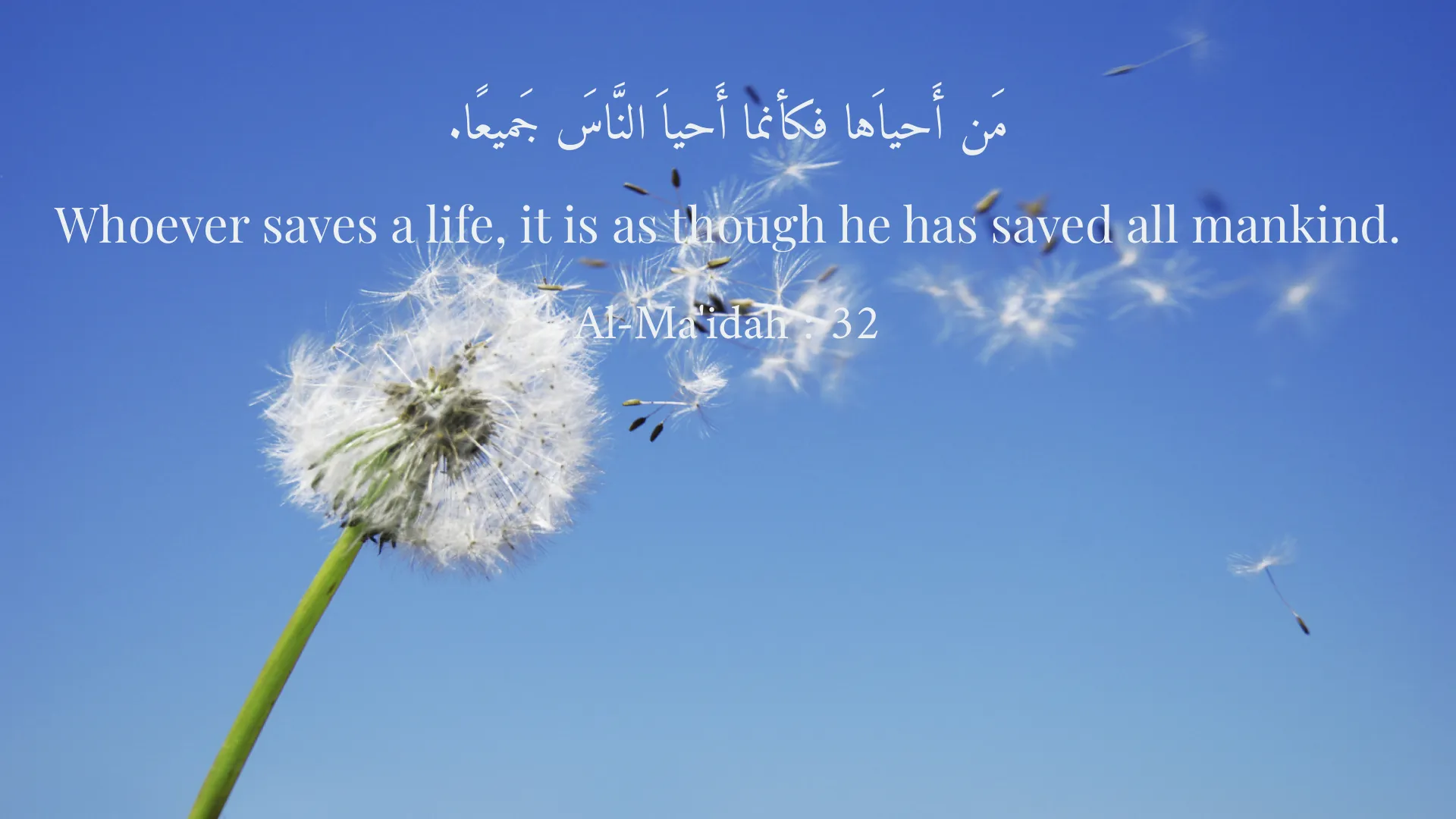
مَن أَحياَها فكأنما أَحياَ النَّاسَ جَميعًا.
Whoever saves a life, it is as though he has saved all mankind.
Al-Ma'idah : 32
يَا بُنَيَّ أَقِمِ الصَّلَاةَ وَأْمُرْ بِالْمَعْرُوفِ وَانْهَ عَنِ الْمُنْكَرِ وَاصْبِرْ عَلَى مَا أَصَابَكَ.
O my son, establish prayer, enjoin what is right, and forbid what is wrong, and be patient over what befalls you.
Luqman : 17
وَالَّذِينَ لَا يَدْعُونَ مَعَ اللَّهِ إِلَهًا آخَرَ.
And those who do not invoke with Allah another deity or kill the soul which Allah has forbidden.
Al-Furqan : 68
Short Story
One day, Adel realized that one of his friends had strayed from the right path in his life. He decided to help him and instead of blaming him, he spoke to him with kindness. Adel told his friend that he was always loved and cared for by Allah and that God is waiting for him to return to Him. This love and attention inspired his friend to make a change and start a new path in his life.