Quranic Answer
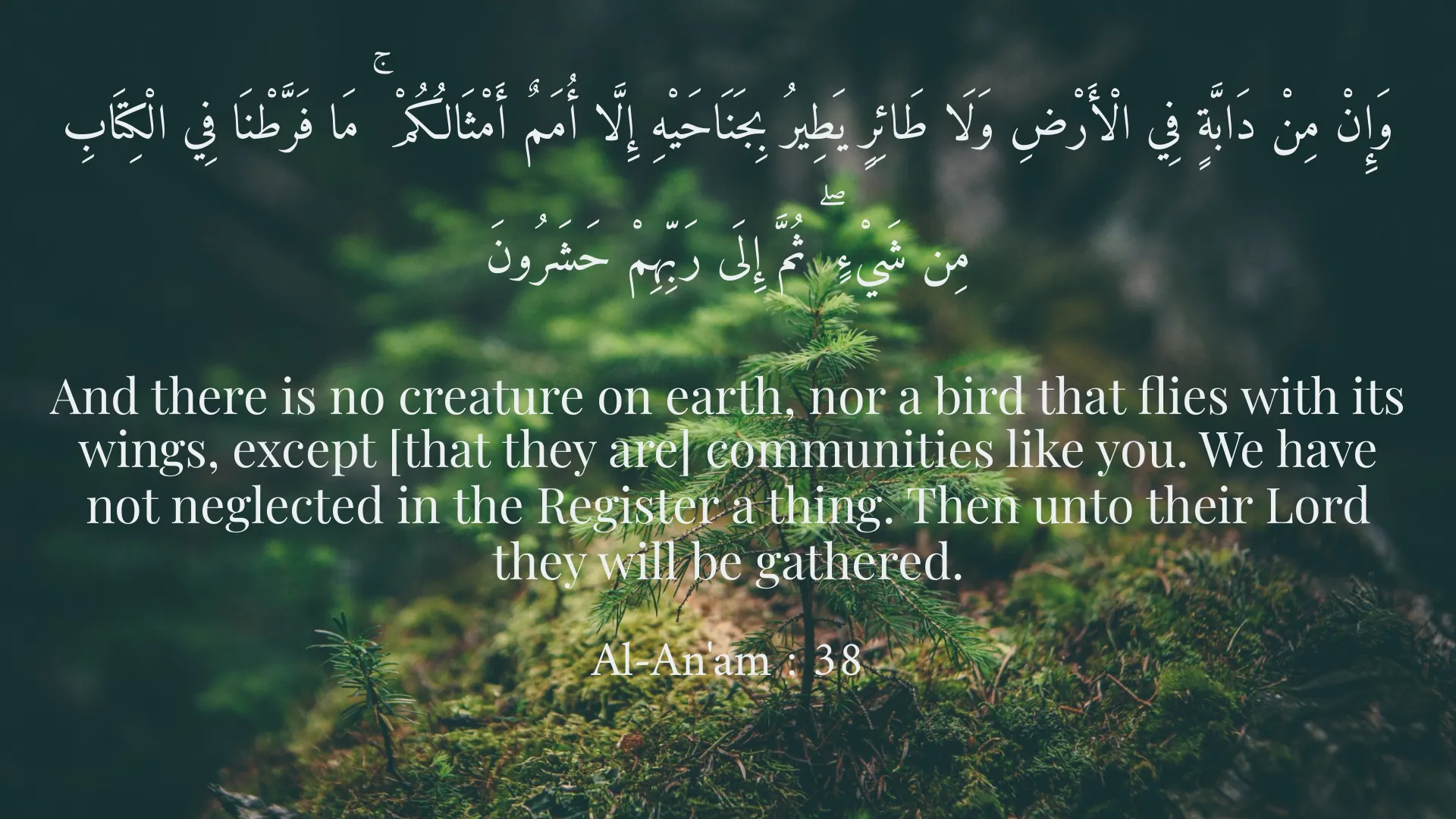
Title: The Significance of Kindness to Animals in Islam: Insights from the Holy Quran and Hadiths Introduction In a world where compassion and empathy are essential virtues, the teachings of Islam provide a profound framework for understanding and practicing kindness toward all living beings. One of the often-overlooked aspects of Islamic teachings is the emphasis on kindness to animals. Although the Holy Quran does not always explicitly mention kindness to animals, it lays the foundational principles that highlight the necessity of compassion and respect for all creatures. This article seeks to explore the significance of kindness to animals within the context of the Quran and the Sunnah of the Prophet Muhammad (peace be upon him), examining various verses, hadiths, and real-life examples reflecting Islamic values. The Quranic Perspective on Kindness to Animals The Quran, which serves as the primary scripture of Islam, addresses the relationship between humans and animals through various narratives and principles. One of the verses that illustrates this relationship is found in Surah Al-An'am, verse 38, where Allah states, "And there is no creature on earth, nor a bird that flies on its wings, but they are communities like you..." This verse highlights that all creatures possess a form of community and significance in the grand scheme of creation. By acknowledging that animals have their own communities and are part of God's diverse creation, this verse implicitly promotes the idea of humane treatment and respect for these beings. Moreover, the Quran reinforces the notion of divine ownership and responsibility over all beings. In Surah Al-Baqarah, verse 164, Allah encourages humanity to reflect on the myriad signs of His creation, including animals. This verse urges believers to recognize the interconnectivity of life and the responsibility that comes with being stewards of the earth. From these verses, one can infer that kindness toward animals is not merely a suggestion but an obligation rooted in the Islamic ethos of stewardship and care. Hadiths Emphasizing Kindness to Animals In addition to the Quranic verses, the teachings and sayings (hadiths) of the Prophet Muhammad (PBUH) offer explicit guidance on the treatment of animals. Numerous hadiths speak to the importance of kindness and compassion, illustrating how the Prophet (PBUH) exemplified these values in his daily interactions with animals. For instance, one prominent hadith states, "Whoever is kind to the creatures of God, he is kind to himself" (al-Jami). This saying emphasizes that acts of kindness towards animals not only benefit the spared creatures but also have a positive impact on the individual performing the act. Another significant narration recounts the story of a woman who was punished for being cruel to a cat; she confined it and did not provide it with food or water. The Prophet Muhammad (PBUH) informed his companions that due to her harshness, she would face severe consequences in the Hereafter. Conversely, there are accounts of individuals who have earned God's mercy through their compassion toward animals, such as a man who quenched the thirst of a thirsty dog. This action led him to paradise, as elaborated in the hadith recorded in Sahih Bukhari. Such teachings illustrate the weight of compassion in Islamic moral philosophy and highlight that every positive interaction with animals is rewarded by divine favor. Stories of Kindness in Islamic History Throughout Islamic history, the practice of kindness towards animals has been embodied in the lives of Muslims from all walks of life. One notable example is the story of the famous Islamic scholar and philosopher, Abu Hanifa, who was reputed for his compassion. It is narrated that he would go out of his way to feed stray cats and ensure they received proper care. His kindness made an impact on many and serves as a reminder of the responsibility all Muslims have toward animals. Similarly, during the early days of Islam, the Prophet Muhammad (PBUH) and his companions used to show compassion toward animals, as demonstrated in their interactions with horses, camels, and other domesticated animals. The Prophet emphasized that these animals have their rights, such as fair treatment and sufficient rest. He would often remind his companions not to overburden animals and to treat them with respect and dignity. Modern Applications of Kindness to Animals in Islam In contemporary society, the need for kindness toward animals is more pressing than ever. Issues like animal cruelty, neglect, and abuse are rampant globally, highlighting the urgent need for a revival in understanding the Quranic and prophetic commandments regarding animal care. Many Muslim organizations and charities are working tirelessly to promote animal welfare while providing resources and assistance to communities in need. These initiatives often focus on rescuing neglected animals, providing shelter, and advocating for proper treatment. Additionally, after realizing the importance of animal rights within the framework of Islamic ethics, many Muslim scholars have begun addressing animal welfare in their teachings, calling for a more profound commitment to kindness toward all living beings. They encourage believers to align their actions with the divine principles laid out in the Quran and the Sunnah, reinforcing that kindness to animals is not a trivial matter; rather, it is a sign of true faith and piety. Conclusion In conclusion, kindness to animals is an integral part of Islamic teachings, deeply rooted in the Quran and the Hadiths. Through the divine guidance found in the Quran, humanity is reminded of the essential role animals play in the ecosystem and the obligation of humans to act as guardians of these creatures. The Prophet Muhammad's (PBUH) life serves as a living example of compassion that Muslims are encouraged to emulate. In a world increasingly faced with the consequences of neglecting these teachings, the message of kindness to animals remains relevant today. By practicing kindness, Muslims can embody the spirit of compassion that underpins the Islamic faith, enriching their lives and the lives of the creatures with whom they share the world.
Related Verses
وَإِنْ مِنْ دَابَّةٍ فِي الْأَرْضِ وَلَا طَائِرٍ يَطِيرُ بِجَنَاحَيْهِ إِلَّا أُمَمٌ أَمْثَالُكُمْ ۚ مَا فَرَّطْنَا فِي الْكِتَابِ مِن شَيْءٍ ۖ ثُمَّ إِلَى رَبِّهِمْ حَشَرُونَ
And there is no creature on earth, nor a bird that flies with its wings, except [that they are] communities like you. We have not neglected in the Register a thing. Then unto their Lord they will be gathered.
Al-An'am : 38
Short Story
Once upon a time, a man was passing through a forest when he suddenly heard the sound of a bird struggling. He followed the sound and found a dove trapped among the branches. Without hesitation, he freed the dove, and thereafter, every time he visited that forest, the dove would come near him. This story reminds us that kindness to animals can change lives in wonderful ways.