Quranic Answer
Modesty is a valuable human trait that transcends borders, cultures, and religions. It is a quality that brings dignity to individuals, encouraging them to act with humility and integrity. This principle is not simply a social nicety but rather an essential moral value that is deeply rooted in various philosophies and religions worldwide. Amongst these teachings, the concepts surrounding modesty in the Holy Quran provide a profound understanding of its significance for both men and women. In the Holy Quran, modesty is emphasized as a fundamental virtue due to its role in promoting decency and respect among individuals. As stated in Surah Al-An'am, verse 151: 'Say, 'Come, I will recite what your Lord has prohibited to you: that you not associate anything with Him and to parents, good treatment.' This verse does not simply serve as a guideline for proper interpersonal relations, but it also conveys an underlying message regarding modesty. By instructing individuals to treat parents with goodness and respect, the Quran indirectly highlights the need for humility and restraint in our conduct towards others. Furthermore, in Surah An-Nur, verses 30 and 31, Allah reinforces the requirement of modesty for both genders. These verses provide specific directives wherein men are instructed to lower their gazes, and women are encouraged to dress modestly. This emphasizes that modesty is not merely about behavior but also extends into appearance. The Quran outlines a framework that acknowledges the natural desire for beauty and attraction while simultaneously urging individuals to embody dignity and respect. Understanding modesty in this context is crucial. We often perceive modesty solely as dress codes or behavioral norms; however, it encompasses a broader spectrum of attitudes and practices that define our character. Modesty is not an expression of weakness or submission; rather, it symbolizes strength, self-restraint, and the ability to prioritize moral values over superficial desires. By promoting humility and modest behavior, individuals can cultivate a culture of respect that enhances interpersonal relationships across different contexts. Equally important is the notion that modesty is not an attribute reserved for women. The Quran’s inclusive teachings reflect that both men and women share the responsibility to embody modesty in their actions and interactions. This is critical in dispelling myths surrounding gender roles in the discourse on modesty. Society often places the burden of modesty on women, imposing dress codes and behavioral expectations that may not apply equally to men. Such disparities in expectations can lead to misunderstandings and reinforce harmful stereotypes. Instead, we should recognize that modesty should be celebrated as a universal characteristic. A pivotal aspect of modesty is its direct correlation with self-esteem and self-worth. When individuals embrace modesty, they begin to understand their value beyond physical appearances or societal approval. This internal acknowledgment promotes a healthy sense of pride and encourages individuals to engage with the world from a place of self-assurance. Such individuals tend to demonstrate respect for others, fostering an environment where mutual dignity is appreciated. Moreover, modesty cultivates empathy, allowing individuals to approach one another's differences with understanding rather than judgment. In today’s society, especially within the context of an increasingly globalized world, modesty holds significant relevance. With the rapid spread of digital media and social networking platforms, issues surrounding personal image and presentation have come to the forefront. Promoting modesty in all its forms can combat the pervasive culture of superficiality that sometimes undermines self-worth and authenticity. As we navigate through this complex landscape, the teachings of the Holy Quran serve as a guiding light, reminding individuals to remain humble and rooted in their values. Nurturing modesty begins at home and within communities, where individuals can actively encourage discussions surrounding this important trait. Institutions like schools and places of worship are instrumental in cultivating an atmosphere where modesty is praised and acknowledged. By integrating modest values into educational curricula, future generations can grow up appreciating the meaningfulness behind modesty rather than viewing it merely as a restriction. Ultimately, embracing modesty is an ongoing journey. It requires introspection, self-awareness, and a commitment to constant self-improvement. One must recognize that modesty manifests in various forms, whether through humility in speech, consideration in our interactions, or the choices we make in our appearance. Through collective efforts, we can foster a culture that values and celebrates modesty, creating safer environments that promote respect, equality, and understanding among all individuals. In conclusion, modesty is a universal trait that holds great importance in our culture and religion. As derived from the teachings of the Holy Quran, modesty is not confined to either gender but is a shared responsibility of all individuals. It is a quality that can enrich our lives, inspire respect, and improve relationships, making the world a better place for everyone. Thus, it is essential that we all strive to embrace modesty, nurturing this invaluable trait within ourselves and others.
Related Verses
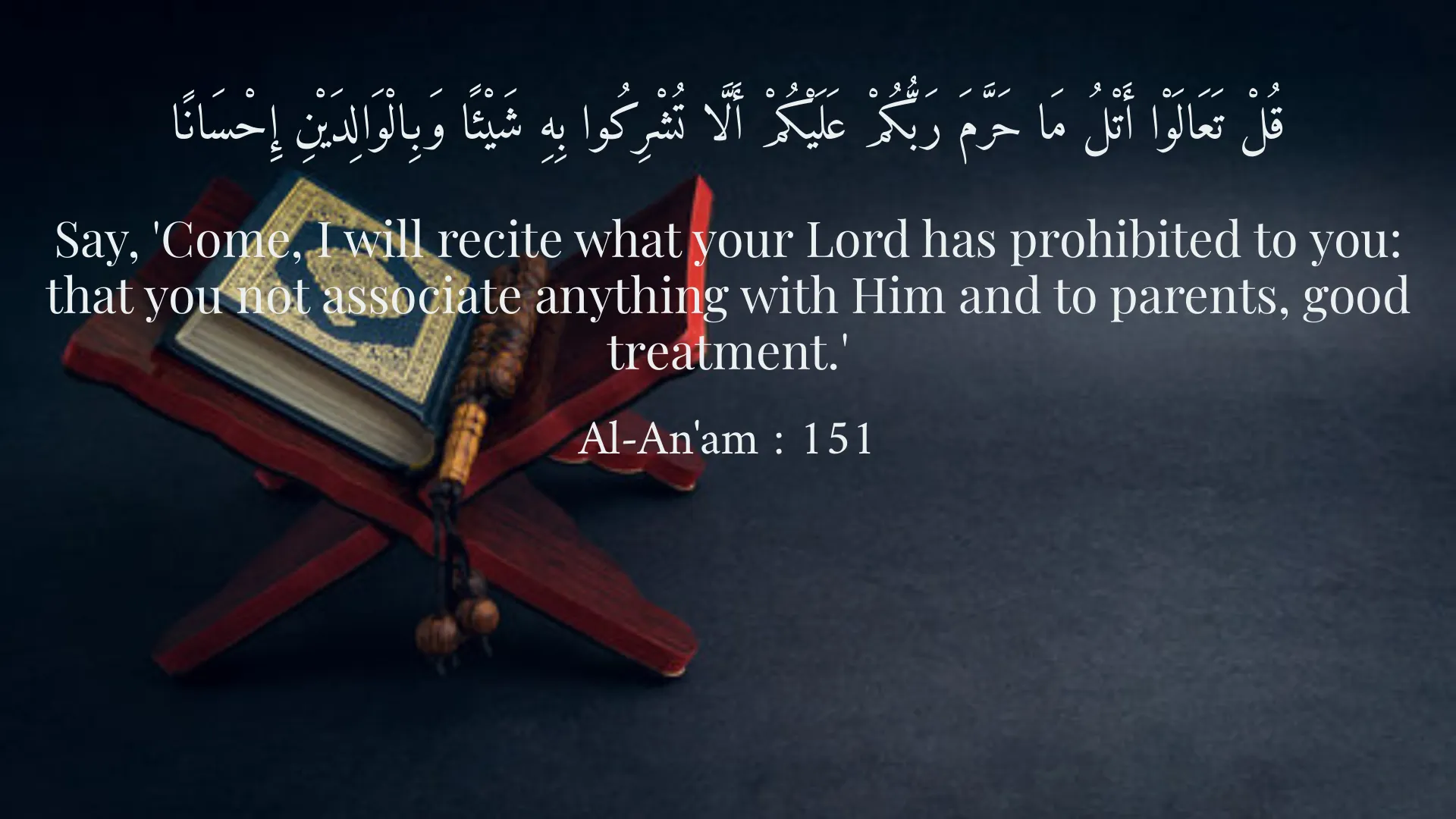
قُلْ تَعَالَوْا أَتْلُ مَا حَرَّمَ رَبُّكُمْ عَلَيْكُمْ أَلَّا تُشْرِكُوا بِهِ شَيْئًا وَبِالْوَالِدَيْنِ إِحْسَانًا
Say, 'Come, I will recite what your Lord has prohibited to you: that you not associate anything with Him and to parents, good treatment.'
Al-An'am : 151
قُلْ لِلْمُؤْمِنِينَ يَغُضُّوا مِنْ أَبْصَارِهِمْ وَيَحْفَظُوا فُرُوجَهُمْ ۚ ذَٰلِكَ أَزْكَىٰ لَهُمْ ۗ إِنَّ اللَّهَ خَبِيرٌ بِمَا يَصْنَعُونَ
Tell the believing men to reduce [some] of their vision and guard their private parts. That is purer for them. Indeed, Allah is Acquainted with what they do.
An-Nur : 30
وَقُل لِّلْمُؤْمِنَاتِ يَغْضُضْنَ مِنْ أَبْصَارِهِنَّ وَيَحْفَظْنَ فُرُوجَهُنَّ وَلَا يُبْدِينَ زِينَتَهُنَّ إِلَّا مَا ظَهَرَ مِنْهَا
And tell the believing women to reduce [some] of their vision and guard their private parts and not expose their adornment except that which [ordinarily] appears thereof.
An-Nur : 31
Short Story
Once upon a time, a passerby encountered two young girls in the streets who were dressed modestly and elegantly. They greeted the passerby, who responded by saying: 'How beautiful you are for both covering yourselves and treating others kindly.' The girls replied, 'This behavior and attitude are part of our character, and modesty is essential for everyone, not just women.' The passerby smiled and felt happy about their awareness.