Quranic Answer
In the rich teachings of the Holy Quran, patience (Sabr) is not merely a virtue, but one of the fundamental pillars of faith and a pathway to human perfection and divine pleasure. The Quran repeatedly calls believers to patience and promises immense and immeasurable rewards for those who are patient. However, it is crucial to have a correct understanding of the Quranic concept of Sabr; in Islam, patience does not mean passivity, unconditional surrender to injustice, or abandoning effort and struggle. Rather, it is an active, dynamic state accompanied by steadfastness, manifesting in three main dimensions: patience in obedience, patience in abstaining from sin, and patience in adversity. These three aspects demonstrate that patience is a comprehensive and encompassing virtue that covers all aspects of a believer's life. Patience in Obedience (Sabr ‘ala al-Ta’ah): This type of patience refers to perseverance and steadfastness in performing divine duties and commands. The five daily prayers, fasting during Ramadan, paying Zakat, performing Hajj, and striving in the way of Allah (Jihad), all require patience and steadfastness. For example, praying at prescribed times, especially when tired or in cold weather, or fasting during long, hot days, demands immense willpower and unparalleled patience. In Surah Al-Baqarah, verse 153, Allah says: “O you who have believed, seek help through patience and prayer. Indeed, Allah is with the patient.” This verse shows that patience and prayer are inseparable companions on the path of servitude and drawing closer to Allah. Patience in fulfilling obligations keeps a person steadfast on the path of worship and prevents lethargy and laziness. For instance, someone who decides to quit a bad habit like backbiting or lying needs a great deal of patience to resist temptations and instill the new habit within themselves. Similarly, in seeking knowledge, patience is crucial; years of effort and toil to acquire knowledge require perseverance and steadfastness in the face of difficulties and despair. Patience in Abstaining from Sins (Sabr ‘an al-Ma’siyah): This dimension of patience means resisting satanic temptations, worldly desires, and what Allah has forbidden. In a world full of sinful attractions, patience in resisting lust, anger, envy, lying, backbiting, usury, and other sins is a characteristic of true believers. This patience not only helps preserve the purity of the soul but also protects society from corruption and decay. The Quran strongly emphasizes the necessity of self-control and avoiding fleeting pleasures that lead to ruin. For example, in a society where lies and hypocrisy are prevalent, remaining steadfast in honesty and truthfulness requires patience and moral courage. This patience signifies self-restraint and self-control, which protect a person from falling into the abyss of sins. Patience in abstaining from sin, especially when confronted with situations where sin is easily committed, demonstrates the strength of one's faith and piety. Patience in Adversity/Trials (Sabr ‘inda al-Musibah): This type of patience is probably the most commonly understood meaning of patience. Human life is always accompanied by ups and downs, hardships, illnesses, loss of loved ones, financial difficulties, and natural disasters. Patience in the face of these calamities means not being restless, not complaining about divine decree, and maintaining hope and trust in Allah. This patience helps a person maintain their composure even in the midst of problems and view divine providence with a positive outlook. In Surah Al-Baqarah, verses 155-157, Allah says: “And We will surely test you with something of fear and hunger and a loss of wealth and lives and fruits, but give good tidings to the patient, Who, when afflicted with calamity, say, 'Indeed we belong to Allah, and indeed to Him we will return.' Those are the ones upon whom are blessings from their Lord and mercy. And it is those who are the [rightly] guided.” These verses clearly state the immense reward for those who are patient in adversity. Patience in the face of prolonged illnesses, severe economic problems, or job loss requires a resilient spirit and deep faith. This patience prevents a person from despair and hopelessness, guiding them towards striving for better conditions and trusting in Allah. Distinguishing Patience from Indifference and Passivity: It is crucial not to confuse patience with indifference, weakness, or surrender to oppression. Quranic patience never means silence in the face of injustice or abandoning commanding good and forbidding evil. Rather, it means enduring hardships and steadfastness on the path of truth and justice, even if this path is full of challenges and obstacles. The Prophets of Allah were prime examples of this active patience; they faced many difficulties in conveying their messages but never gave up their efforts, continuing their path with perseverance and steadfastness. Prophet Ayyub (Job) was a clear example of patience in the face of physical and financial calamities, but alongside patience, he was also engaged in supplication and prayer to Allah and did not give up trying to heal himself. Prophet Yusuf (Joseph) was patient in the face of his brothers' injustice and Zulaykha's deception, but this patience did not mean surrendering to the situation; rather, it was an effort to overcome that period and reach the truth. The Reward of the Patient: The Quran promises countless rewards for the patient. In Surah Az-Zumar, verse 10, it states: “...Indeed, the patient will be given their reward without account.” This immeasurable reward indicates the greatness and value of patience in the sight of Allah. Besides the eternal reward, patience also has worldly benefits, including psychological peace, crisis management ability, strengthening of willpower, and gaining the respect and trust of others. Patience is the key to liberation from difficulties and achieving success in this world and the hereafter. In conclusion, yes, patience (Quranic Sabr) is always a virtue. This comprehensive and multifaceted virtue is manifested not only in facing adversities but also in steadfastness in obedience and abstaining from sin. Patience is a force that keeps the believer firm on the path of servitude, protects them from falling into sin, and makes them resilient against life's challenges. Patience empowers individuals to turn every challenge into an opportunity for growth and divine proximity, receiving boundless reward from their Lord. This virtue is a sign of strong faith and complete reliance on Allah.
Related Verses
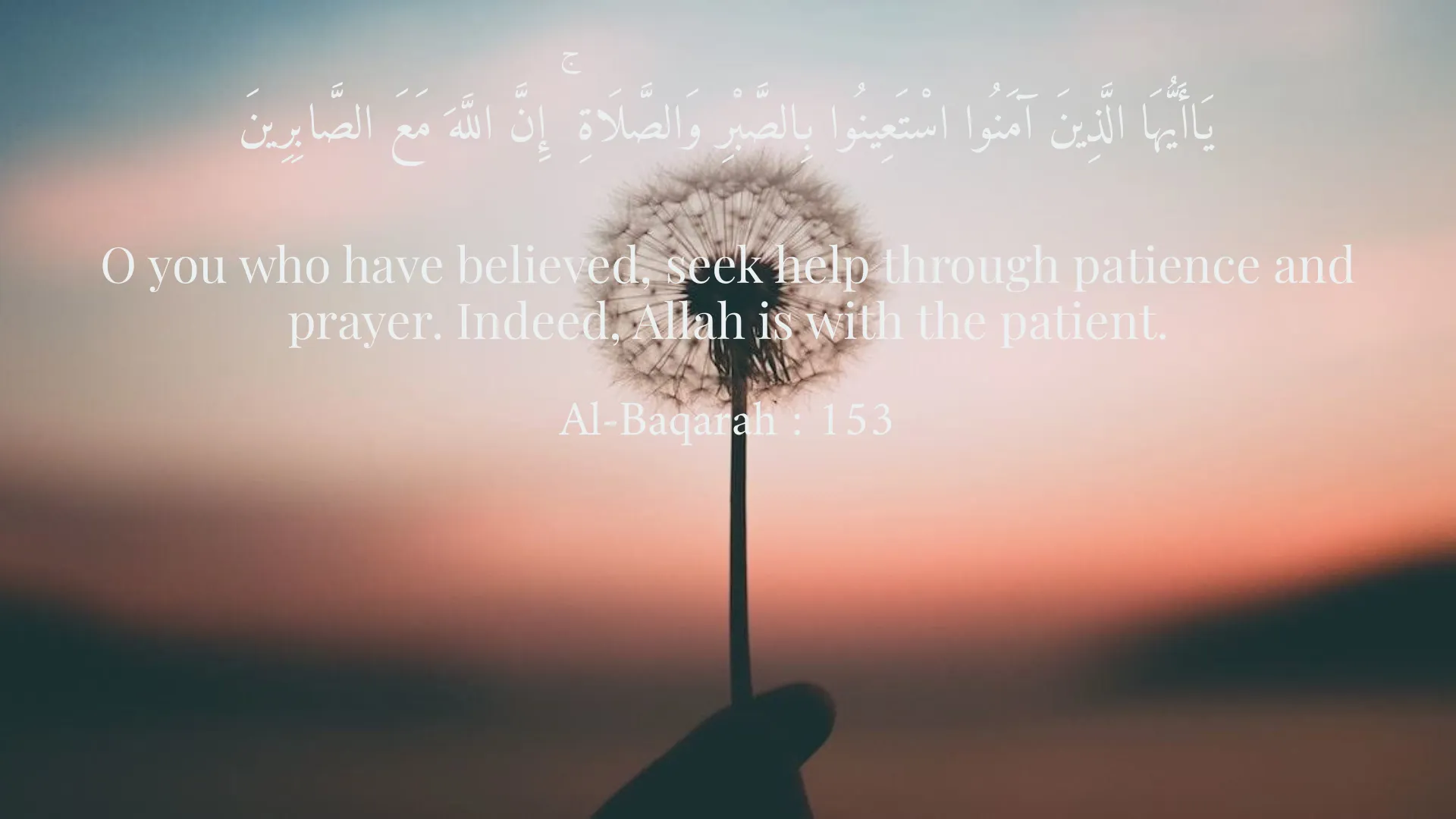
يَاأَيُّهَا الَّذِينَ آمَنُوا اسْتَعِينُوا بِالصَّبْرِ وَالصَّلَاةِ ۚ إِنَّ اللَّهَ مَعَ الصَّابِرِينَ
O you who have believed, seek help through patience and prayer. Indeed, Allah is with the patient.
Al-Baqarah : 153
وَلَنَبْلُوَنَّكُم بِشَيْءٍ مِّنَ الْخَوْفِ وَالْجُوعِ وَنَقْصٍ مِّنَ الْأَمْوَالِ وَالْأَنفُسِ وَالثَّمَرَاتِ ۗ وَبَشِّرِ الصَّابِرِينَ
And We will surely test you with something of fear and hunger and a loss of wealth and lives and fruits, but give good tidings to the patient,
Al-Baqarah : 155
قُلْ يَا عِبَادِ الَّذِينَ آمَنُوا اتَّقُوا رَبَّكُمْ ۚ لِلَّذِينَ أَحْسَنُوا فِي هَٰذِهِ الدُّنْيَا حَسَنَةٌ ۗ وَأَرْضُ اللَّهِ وَاسِعَةٌ ۗ إِنَّمَا يُوَفَّى الصَّابِرُونَ أَجْرَهُم بِغَيْرِ حِسَابٍ
Say, 'O My servants who have believed, fear your Lord. For those who do good in this world is good, and the earth of Allah is spacious. Indeed, the patient will be given their reward without account.'
Az-Zumar : 10
Short Story
It is narrated that in ancient times, there was a merchant whose wealth and possessions were plundered on a journey, and he returned to his city with a broken heart and empty hands. His friends and neighbors comforted him, and some encouraged him to complain and lament. But the patient merchant did not utter a word of complaint, saying, 'This too shall pass.' He began to work as a laborer, toiling from dawn till dusk, and spending his nights in prayer and seeking forgiveness. For years, with patience and reliance on God, he worked and passed his days. Gradually, divine blessings touched his work, and he became wealthy again, attaining a high status and position. One day, a friend who had witnessed his patience during hardship asked him, 'How did you remain so patient in such a great calamity?' The merchant replied, 'I learned from Saadi who said: 'Patience is bitter, but its fruit is sweet.' I knew that every sorrow has an end and every hardship has ease. So, I submitted to destiny and did not cease striving until God untangled my affairs and let me taste the sweetness of this patience.' And so it was that his patience not only saved him from ruin but elevated him to a status he had not held before.