Quranic Answer
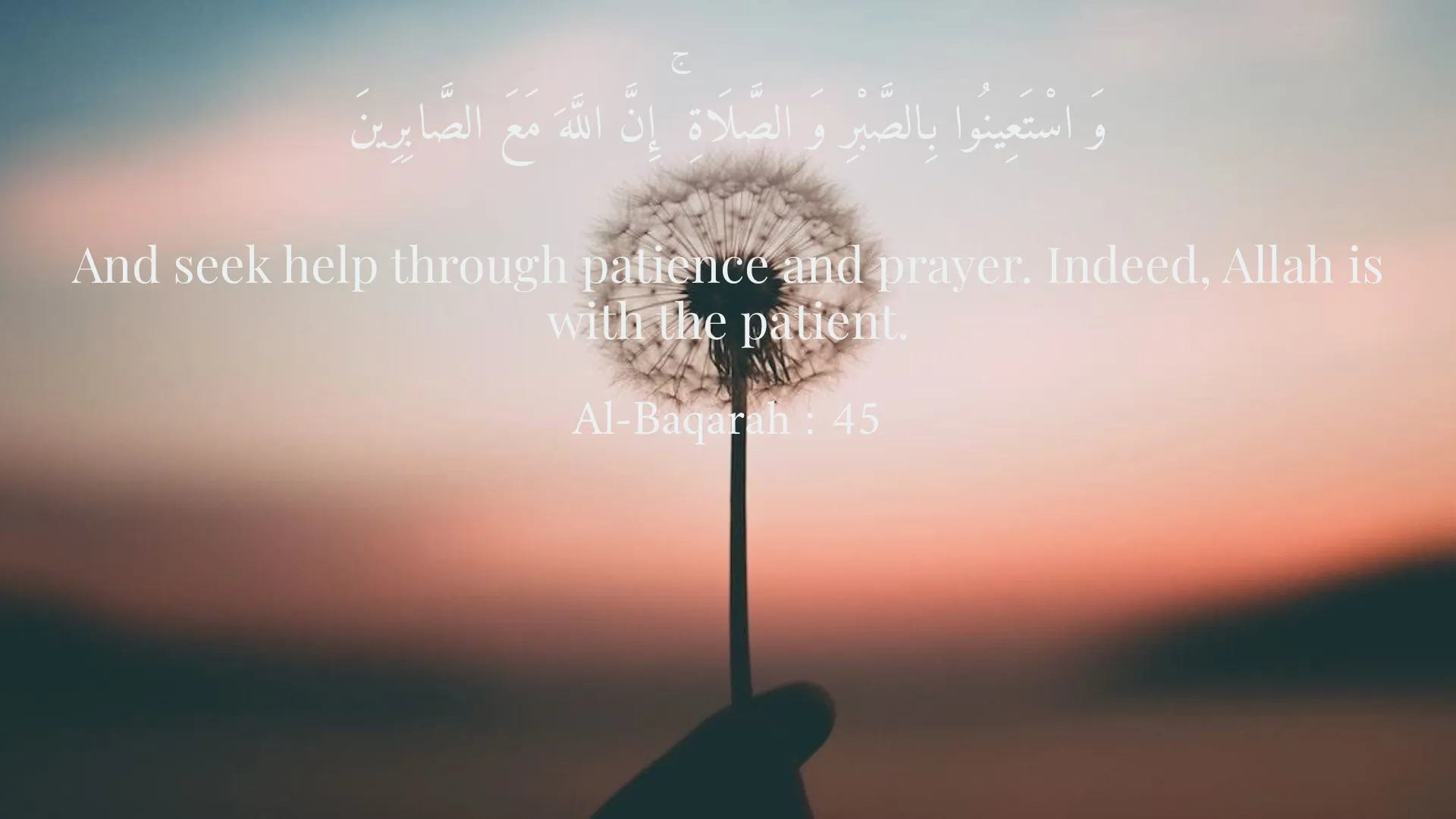
In the modern world, characterized by its rapid pace and relentless demands, the search for peace and tranquility has become increasingly vital. Amidst the chaos and challenges that life presents, individuals often find themselves grappling with stress, anxiety, and emotional turmoil. In this context, the teachings of the Holy Quran regarding prayer offer profound insights into the benefits of divine connection and spiritual sustenance. Prayer is not merely a ritualistic act but serves as a fundamental source of peace and calm. In Surah Al-Baqarah, verse 45, it emphasizes the necessity of prayer in conjunction with patience, stating, 'And seek help through patience and prayer.' This concise yet powerful verse highlights the essential role that prayer plays in helping individuals navigate through life's adversities. When confronted with struggles, whether they be personal, emotional, or professional, reaching out to a higher power through prayer allows individuals to access a sanctuary of peace and comfort. This act is a powerful reminder of the divine presence that envelops us and the support that can be drawn from our connection to God. During times of hardship, prayer can provide a much-needed respite, momentarily lifting the burdens we carry and rekindling our hope and faith. This verse encourages believers to cultivate a connection with God during troubling times, establishing a foundation for resilience and inner strength. Moreover, the Quran also teaches us about the transformative nature of prayer concerning our moral compass. In Surah Al-Ankabut, verse 45, it states, 'Indeed, prayer prohibits immorality and wrongdoing.' This verse serves as a profound reminder of the impact of prayer on our character and behaviors. It suggests that the act of establishing a routine of prayer in our lives has a direct correlation with our ethical decisions and moral conduct. Engaging sincerely in prayer fosters mindfulness and accountability, steering individuals away from actions that conflict with their values and principles. Today, many people experience the toll that modern living takes on their mental and emotional well-being. The constant influx of information, fast-paced lifestyles, and social pressures contribute significantly to increased levels of anxiety and discontent. In light of these challenges, incorporating prayer into daily life can serve as an antidote. The structured nature of prayer acts as a rhythmic pause that helps individuals reconnect with themselves and reflect on their purpose. It can offer a sense of grounding as we navigate the complexities of life, reminding us of the importance of our faith and the presence of a higher power. Prayer serves more than a ritualistic function; it symbolizes a spiritual and psychological necessity. Often, individuals find that dedicating time to prayer enables them to step away from their daily distractions and reflect inwardly. This reflective nature calls us to assess our thoughts, emotions, and experiences while inviting God's guidance and wisdom into our lives. Such introspection has the potential to enhance our mental clarity and emotional resilience, promoting a profound sense of peace and contentment. Furthermore, engaging in prayer has been observed to bolster our overall well-being. Research indicates that individuals who practice regular prayer can experience lower levels of stress and anxiety, improved emotional stability, and enhanced feelings of happiness. This correlation between prayer and well-being underscores the significance of spiritual practices in supporting mental health and general quality of life. The power of prayer lies in its ability to instill a sense of purpose and direction, allowing individuals to witness a positive transformation in both their internal emotional landscape and external environment. As people seek to cultivate tranquility amidst the cacophony of modern living, the teachings of the Quran regarding prayer remain a beacon of hope. The structured routine of prayer throughout the day serves as a reminder of our connection to the Creator and offers us a chance to seek assistance, wisdom, and solace in the face of life's difficulties. The act of prayer enables individuals to navigate their emotions, reconcile their challenges, and strengthen their resolve to lead lives imbued with integrity and morality. In conclusion, the significance of prayer within Islamic teachings cannot be overstated. As a source of peace and tranquility, prayer is indeed a refuge for the weary. It allows us to tilt our hearts towards God and seek the patience and strength to overcome life's challenges. Furthermore, it serves as a guiding force away from immorality and wrongdoing, encouraging us to adhere to ethical principles that enhance our character. In a world where many feel overwhelmed and disconnected, the teachings of the Holy Quran emphasize that through prayer, we can find the peace and joy we seek, ultimately recognizing the positive influence it has on our spirits and overall quality of life. By integrating prayer into our everyday lives, we not only nurture our spiritual growth but also promote mental and emotional well-being, paving the way for a more fulfilling and serene existence.
Related Verses
وَ اسْتَعِينُوا بِالصَّبْرِ وَ الصَّلَاةِ ۚ إِنَّ اللَّهَ مَعَ الصَّابِرِينَ
And seek help through patience and prayer. Indeed, Allah is with the patient.
Al-Baqarah : 45
إنَّ الصلاةَ تَنْهَى عَنِ الْفَحْشَاءِ وَ الْمُنْكَرِ
Indeed, prayer prohibits immorality and wrongdoing.
Al-Ankabut : 45
Short Story
One day, a man named Farhad encountered a significant problem at work. He felt anxious and stressed, unsure of what to do. Remembering the verses of the Quran, he decided to turn to prayer for solace. When he prayed in the mosque and surrendered his heart to God, he experienced an extraordinary sense of calm. He realized that prayer is not just a form of worship but a pathway to peace for the spirit and mind.