Quranic Answer
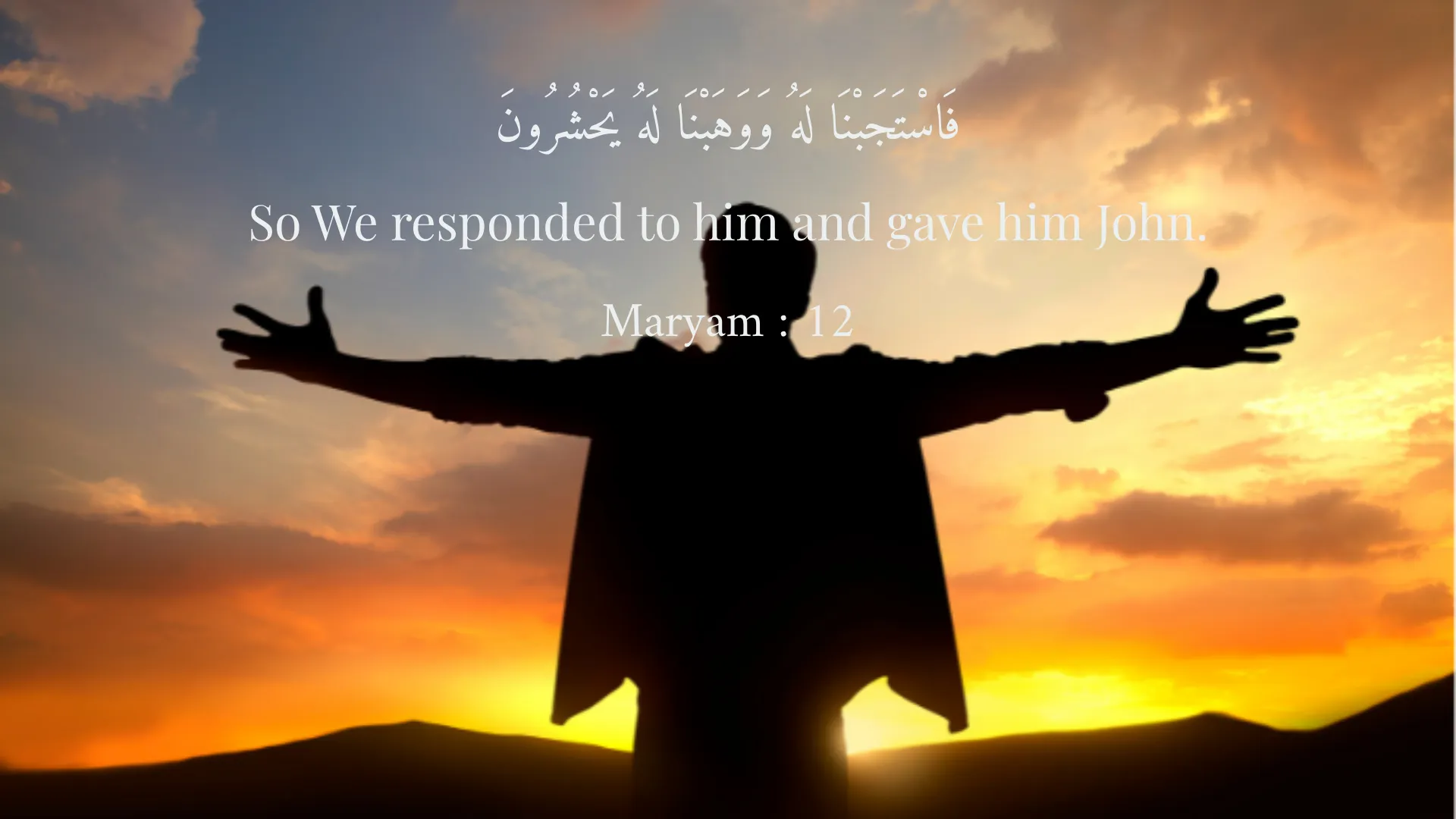
The act of supplication and calling out to Allah holds a fundamental position in the lives of believers. In the Holy Quran, many verses emphasize the respect and importance given to prayer, especially in times of emotional struggle. The act of praying, particularly when carried out amidst tears and heartfelt yearning, signifies a deep connection to the Almighty. In this article, we will explore the significance of supplication in the Holy Quran, focusing on the verses that underline its importance during emotional turmoil and the transformative effect it can have on individuals. ### Understanding Supplication in Islam Supplication, or 'dua', is an intimate conversation between a believer and Allah. It is a vital component of a Muslim's spiritual life, allowing them to express their innermost thoughts, desires, and concerns. The Quran acknowledges the essence of this practice and encourages believers to reach out to their creator in sincerity and humility. These supplications can take place in various forms and settings, from formal prayers in a mosque to quiet moments of reflection at home. ### Emotional States and the Dynamics of Prayer In moments of grief, despair, and emotional distress, many individuals turn to prayer as a source of comfort. The act of crying out to Allah can often coincide with tears, making the supplication not just an outward expression of desire but a manifestation of one's vulnerability. Surah Maryam, verse 12 teaches us: 'So We responded to him and gave him John.' Here, we see a clear indication that Allah is responsive to the heartfelt prayers of those who submit themselves in times of emotional need. The verse illustrates that when one is earnest in their supplication, enveloped in emotion, their prayers are met with Divine consideration. ### The Prophets and Their Supplications In Surah Ash-Shu'ara, verse 26, Allah recounts the stories of the prophets and their persistent supplications, particularly during trying times. The struggles faced by the prophets highlight the universality of human emotions, whether it be sorrow, frustration, confusion, or hope. Their prayers provide a model for believers, illustrating that even the most righteous and esteemed individuals resort to Allah during their darkest hours. By understanding the context of their supplications, Muslims can receive guidance on approaching Allah with humility and earnestness during their moments of need. ### The Healing Power of Tears and Prayer The spiritual significance of tears during supplication goes beyond mere emotional release. Tears can be an intimate expression of one’s need for Divine mercy and forgiveness. When individuals cry out to Allah, often it is because they recognize their limitations and the weight of their burdens. This acknowledgment is an essential step towards healing and reconciliation with Allah. Many interpreters of the Quran emphasize that the best moments for supplication occur during periods of intense distress. When one is struggling and feels isolated, turning their heart towards Allah provides not just relief, but also reassurance that they are not alone in their suffering. ### Emerging from Despair Praying amidst tears helps shift a person’s focus from despair towards hope. When individuals approach Allah vulnerably, it takes them away from the distractions of anxiety and negativity. This practice creates a sense of spiritual closeness and rejuvenates a believer's faith in the possibility of better days ahead. The transformative potential of supplication becomes clear when individuals report feelings of immense relief and renewed strength after pouring their hearts out to Allah. ### The Path to Divine Forgiveness Many Muslims believe that sincere supplication, especially when accompanied by tears, serves as a profound plea for mercy and forgiveness. The Quran emphasizes Allah's attributes of compassion and mercy, encouraging believers to seek His forgiveness without despair. During times of difficulty, it is crucial to remember that turning to Allah with sincerity and remorse can pave the path toward divine forgiveness, uplifting one’s spirit from the depths of despair to a state of tranquility and peace. ### Conclusion: The Impact of Supplication on Mental Well-being The role of supplication within the framework of faith, as highlighted in the Quran, goes beyond the simple act of prayer. It serves as an essential tool for fostering mental peace and relief from anxiety during desperate times. By calling out to Allah, believers are provided a channel through which they can express their vulnerabilities and seek solace. This connection forms a vital part of their spiritual journey, helping them navigate life's challenges with hope, confidence, and a sense of divine love. In summary, the importance and significance of supplication and tears during prayers cannot be overstated. As prescribed in the Holy Quran, emotional states can significantly enhance the sincerity of a believer's call to Allah. Thus, in moments of pain and sorrow, believers must remember that they are encouraged to cry out, express their fears, and find peace in their relationship with Allah.
Related Verses
فَاسْتَجَبْنَا لَهُ وَوَهَبْنَا لَهُ يَحْشُرُونَ
So We responded to him and gave him John.
Maryam : 12
وَإِذَا جَآءَكَ الَّذِينَ يُؤْمِنُونَ بِآيَاتِنَا قُلْ سَلَامٌ عَلَيْكُمْ
And when those come to you who believe in Our verses, say, 'Peace be upon you.'
Ash-Shu'ara : 26
Short Story
Once upon a time, there was a man named Ali who faced many challenges in his life. Every morning, he would shed tears and pray to God. One day, while he was heartbroken and praying, he felt a weight lifted off his heart. He realized that praying while crying brought him closer to God and freed him from his daily struggles.