Quranic Answer
In the luminous teachings of Islam and based on the sacred verses of the Holy Quran, the concept of Tawbah (repentance) and returning to Almighty Allah holds a profound and special place. Allah Himself is introduced in the Quran as Al-Ghafour (the Ever-Forgiving) and Ar-Rahim (the Most Merciful), and He has perpetually opened the door of His boundless mercy to His servants, to the extent that despairing of Allah's mercy is considered a major sin. Therefore, the answer to the question, "Is repentance that is repeated accepted?" is unequivocally "Yes." Not only is repeated repentance accepted, but it is, in fact, a testament to the dynamism of one's faith, the awakening of conscience, and the continuous effort of a servant to reform themselves and overcome the temptations of their lower self (nafs al-ammarah) and Satan. This persistence in seeking repentance, despite repeated failings, signifies that the individual, while perhaps not completely abandoning the sin, still yearns to return to the righteous path, and this yearning is highly valued by Allah. The Holy Quran, with a tone filled with compassion, hope, and encouragement, repeatedly calls upon humanity to repent and return. One of the most beautiful and hope-instilling verses in this regard is Surah Az-Zumar (39:53): "Say, 'O My servants who have transgressed against themselves [by committing sins], do not despair of the mercy of Allah. Indeed, Allah forgives all sins. Indeed, it is He who is the Forgiving, the Merciful.'" This verse explicitly states that sinful servants, no matter how much they may have transgressed or how heavy the burden of their sins might be, should never despair of Allah's boundless mercy. This is because Allah forgives all sins. The word "all" (jami'an) in this verse is a definitive emphasis on the universality of divine forgiveness, making no exception for the type or magnitude of the sin, or the number of times it has been committed, as long as sincere and true repentance is offered. This verse serves as a beacon of light amidst the darkness of despair that might shroud a person's soul due to repeated transgressions. The concept of Tawbah in Islam is not merely a verbal declaration or a superficial claim; rather, it is a profound spiritual, practical, and transformative process that requires sincerity and earnestness of heart. True repentance encompasses several fundamental pillars, without which it would be incomplete or ineffective: 1. Heartfelt Regret (Nadamah): The servant must genuinely and sincerely regret the sin committed and feel remorse for their actions. This regret is a sign of an awakened conscience and spiritual vitality, reflecting an understanding of the ugliness of the sin. 2. Immediate Abandonment of the Sin (Iqla'): The repentant person must immediately cease committing the sin and distance themselves from environments or factors that lead them back to it. This abandonment must be practical and serious. 3. Firm Resolve Not to Return (Azm): There must be a strong and firm intention and determination never to return to that sin. While this resolve might be accompanied by slips in practice, the sincere intention and effort to adhere to it are paramount. 4. Making Amends (Qada' and Ada'): If the sin involved infringing upon the rights of others (Huquq al-Ibad) – such as theft, backbiting, or slander – it must be compensated for, the wronged party's rights restored, or their forgiveness sought. If it was a right of Allah (Huquq Allah) – such as missed prayers or fasts – they must be made up. Now, if an individual repents, and after some time, due to human weakness, the cunning of Satan, or falling into tempting circumstances, they slip again and commit the same sin or another, is the door of return closed to them? Absolutely not! The gates of Allah's mercy are wide open, and Allah is far too Generous and Merciful to turn away His servant because of human weaknesses and consign them to despair. On the contrary, the very act of repenting, even if repeated, is a sign of the human being's internal struggle against their lower self and Satan. This struggle is invaluable, and Allah appreciates and rewards this effort, even if it is accompanied by occasional lapses. This persistence in seeking repentance, despite personal weakness, indicates that the servant's heart is still turned towards Allah and they do not wish to stray from His path. Surah Al-Furqan (25:70) also addresses this matter and gives a tremendously reassuring and encouraging promise: "Except for those who repent, believe and do righteous deeds; for those, Allah will change their evil deeds into good ones. And Allah is Ever Forgiving, Most Merciful." This verse not only confirms the acceptance of repentance but also brings the unique and profound glad tidings that Allah Almighty will not only forgive the sins of the repentant but will transform their evil deeds into good ones. This unparalleled divine grace and generosity show how much Allah loves His servants to return to Him. When a person commits a sin and then offers sincere repentance (Tawbatun Nasuha – pure repentance), not only is their sin forgiven, but its negative effects are nullified and even converted into good deeds. This transformation could mean that the shame and regret from the sin lead them to perform more good deeds and draw closer to Allah. If someone falls into sin again due to human frailty or Satan's deception, but again feels remorse and sincerely returns to Allah, this verse applies to them as well. The crucial point is for the person to remain on the path of returning to Allah and not to give up their efforts for self-purification and reform. This persistence in repentance is a sign of spiritual growth and strengthening of faith. The repetition of repentance does not necessarily imply a lack of complete sincerity in previous repentance; rather, it signifies the inherent human frailty and susceptibility to temptation, coupled with a deep and perpetual hope in Allah's grace and bounty. Consider a person who decides to quit a bad habit, for example, lying. They decide repeatedly and try to avoid lying, but after a while, they fall back into the habit. If each time they decide to quit, it is with genuine seriousness and true remorse for their past lies, and they make an honest effort not to commit it again, then this repentance is accepted. The same applies to more significant spiritual sins. Allah knows that humans are fallible and forgetful beings who constantly need forgiveness and guidance. This is where the concept of Tawbatun Nasuha (sincere repentance) in Surah At-Tahrim (66:8) becomes vital: "O you who have believed, repent to Allah with sincere repentance..." Sincere repentance means a repentance that truly turns a person away from sin and guides them towards good and righteousness and closeness to Allah. This repentance must be accompanied by a firm resolve, deep regret, and purity of intention. However, this firm resolve does not mean that slips are impossible or that a human will never err again. If someone sincerely offers Tawbatun Nasuha with the heartfelt intention not to return, but then slips, they can repent again and again. This repetition itself is a sign of their struggle against their lower self and is better than despair. The core message of the Quran regarding repentance is one of boundless hope, infinite mercy, and unending opportunities for self-reform and purification. The doors of repentance are never closed, except at the moment of death when the opportunity for rectification is lost and the veil of the unseen is lifted. This is a continuous invitation for people, whenever they deviate from the divine path, to return to Him without despair, with humility and remorse. Every act of repentance is a step towards perfection, an opportunity to cleanse the soul, and an exercise to strengthen one's will and faith. Even if complete success in permanently abandoning the sin is not achieved in the first attempts, the very act of returning and regretting is valuable in itself and indicates the living presence of the divine fitra (natural disposition) within the human being. Therefore, if someone repeatedly commits a sin and each time repents with genuine remorse, purity of intention, and a firm resolve to abandon it, these acts of repentance are accepted by Allah and can lead to the forgiveness of sins and even the transformation of evil deeds into good ones. This is Allah's infinite grace, which always leaves the path of return open for His servants so that no one ever despairs of His mercy, and the opportunity to return and renew one's covenant with Allah is available at every moment.
Related Verses
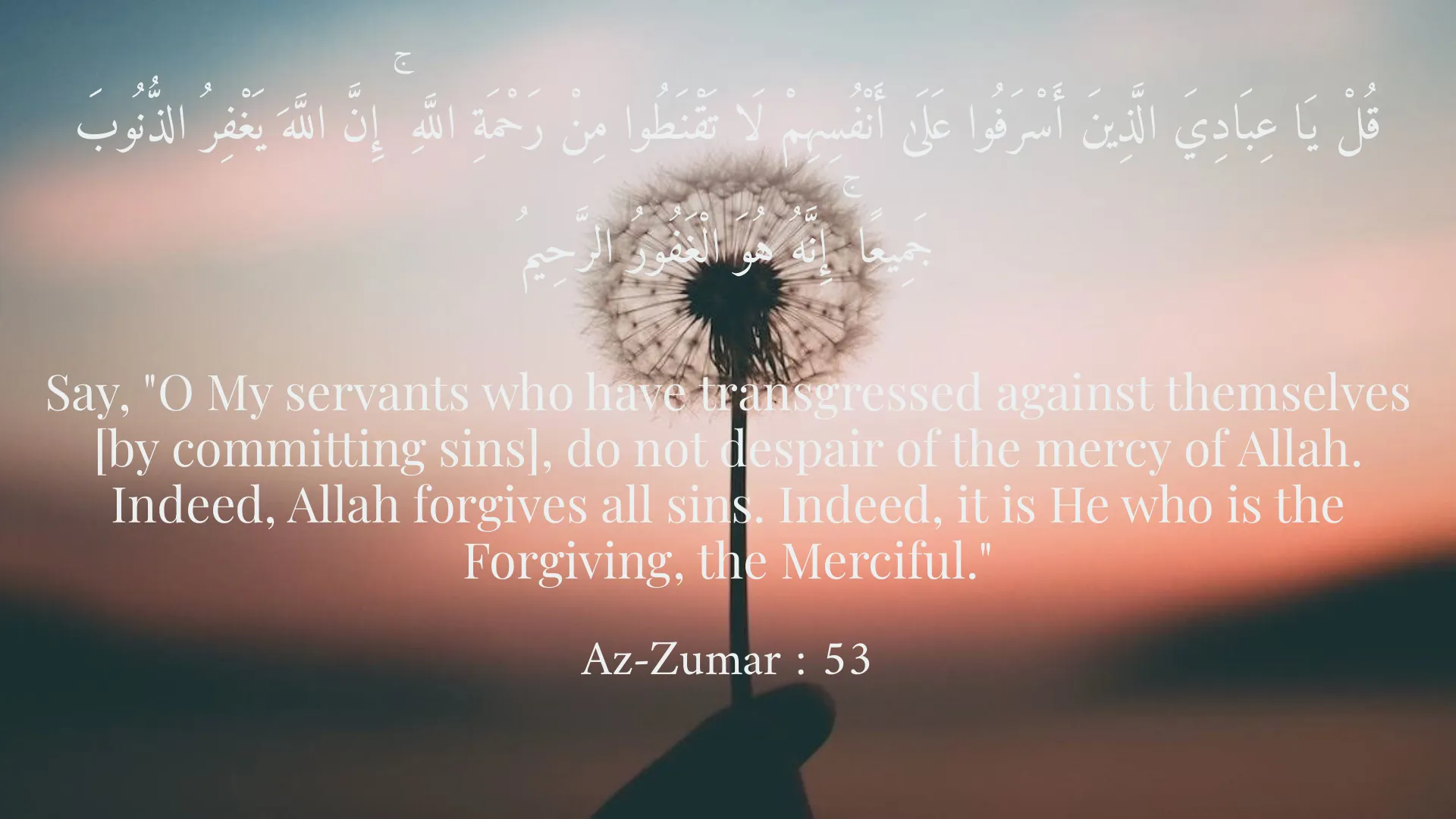
قُلْ يَا عِبَادِيَ الَّذِينَ أَسْرَفُوا عَلَىٰ أَنْفُسِهِمْ لَا تَقْنَطُوا مِنْ رَحْمَةِ اللَّهِ ۚ إِنَّ اللَّهَ يَغْفِرُ الذُّنُوبَ جَمِيعًا ۚ إِنَّهُ هُوَ الْغَفُورُ الرَّحِيمُ
Say, "O My servants who have transgressed against themselves [by committing sins], do not despair of the mercy of Allah. Indeed, Allah forgives all sins. Indeed, it is He who is the Forgiving, the Merciful."
Az-Zumar : 53
إِلَّا مَن تَابَ وَآمَنَ وَعَمِلَ عَمَلًا صَالِحًا فَأُولَٰئِكَ يُبَدِّلُ اللَّهُ سَيِّئَاتِهِمْ حَسَنَاتٍ ۗ وَكَانَ اللَّهُ غَفُورًا رَّحِيمًا
Except for those who repent, believe and do righteous deeds; for those, Allah will change their evil deeds into good ones. And Allah is Ever Forgiving, Most Merciful.
Al-Furqan : 70
يَا أَيُّهَا الَّذِينَ آمَنُوا تُوبُوا إِلَى اللَّهِ تَوْبَةً نَّصُوحًا
O you who have believed, repent to Allah with sincere repentance.
At-Tahrim : 8
Short Story
It is recounted in Saadi's Bustan that there was a just king who had a minister prone to repeated errors. Each time the minister erred, he would come before the king with a broken heart and tearful eyes, seeking forgiveness. The king's courtiers grew weary of the minister's repeated mistakes and would say to the king, "O King, this minister has repeatedly broken his promise and defied your command. Dismiss him!" But the king would reply, "He returns to me each time with sincere repentance and remorse. Since I know he suffers from his human weakness and not out of obstinacy, and he returns out of hope for my pardon, how can I turn him away from my court? The door of forgiveness is always open to those with good intentions, and Allah likewise does not deprive His erring servants, who persistently return to Him with remorse and hope, of His mercy." And so it was that with each repentance, the minister was not only forgiven but his standing in the king's heart grew stronger, for the king recognized his sincere intention to repeatedly return to the right path.