Quranic Answer
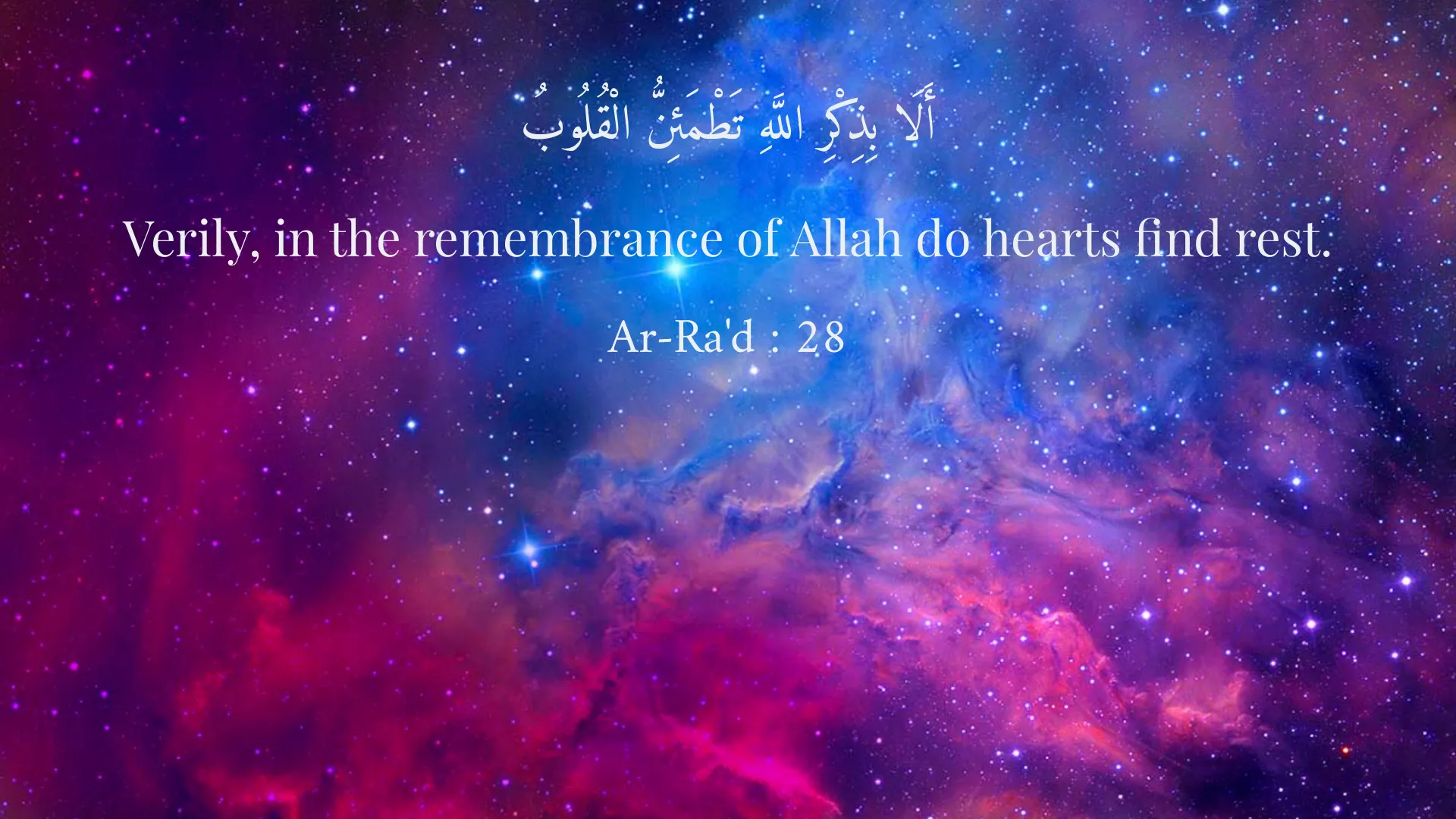
Worship in Islam is a profound expression of faith and devotion that encompasses a diverse range of concepts and practices. Among these, the significance of silence emerges as an integral theme. Silence, in the Islamic tradition, is not merely the absence of sound; it serves as a catalyst for reflection, contemplation, and spiritual connection. This article delves into the multifaceted dimensions of silence in Islamic worship, exploring its meaning, its scriptural foundations, and its implications for individual and communal spirituality. ### The Concept of Silence in Worship Silence occupies a pivotal role in Islamic worship, allowing individuals to turn their attention inward and establish a connection with the Divine. It is a space where one can reflect on the complexities of life and deepen their understanding of Allah. This notion is underscored in the Holy Quran, where silence is often presented as an opportunity for thought and consideration. Just as the physical act of worship requires certain rituals, the mental and emotional aspects—the pauses and the silences—are equally significant. ### Silence as Reflection and Contemplation In Surah Ar-Ra'd, verse 28, Allah states, 'Verily, in the remembrance of Allah do hearts find rest.' This verse underscores the peacefulness that comes from silent contemplation of God’s presence. When individuals take time to quiet their minds and engage in deep reflection, they become more attuned to their spirituality. Silence can facilitate a meditative state, allowing worshippers to shed the distractions of daily life and focus on the remembrance of Allah. This remembrance is not just verbal; it must also be felt deeply within the heart, and silence provides the necessary environment for this connection to flourish. ### The Role of Silence in Prayer Silence is particularly significant during prayer (Salah), which is one of the five pillars of Islam. In Surah Al-Mu'minun, verse 2, Allah mentions, 'And those who are steadfast in their prayer.' Here, silence during prayer emphasizes the importance of focus and devotion. A truly mindful prayer requires moments of silence—whether in between the recitation of verses or during personal supplication—allowing worshippers to connect with their Creator on a more profound level. These moments of silence during prayer can be transformative, facilitating an atmosphere where individuals feel enveloped by grace. It is during these silent pauses that one can listen to the whispers of their soul and recognize their own vulnerabilities and hopes. In essence, silence allows worshippers to cultivate a personal dialogue with Allah, enhancing their relationship with Him. ### Silence as a Tool for Self-Improvement Furthermore, silence offers a unique avenue for self-improvement. Engaging in silence can help individuals confront their thoughts and feelings, leading to personal growth and introspection. In today's fast-paced world, where distractions abound and noise overwhelms, finding moments of silence can be a challenge. However, Islamic teachings encourage the practice of silence as a means to promote internal peace and self-awareness. In the Islamic tradition, the Prophet Muhammad (peace be upon him) often emphasized the importance of speaking less and reflecting more. He was known for his moments of silence and contemplation, which set an example for his followers. By emulating such practices, individuals can cultivate a disciplined mind, leading to clearer thoughts and a more stable spiritual life. The act of silence allows worshippers to center themselves, fostering a sense of clarity and calmness. ### Silence in Community Settings Silence also plays a critical role in communal worship, such as during group prayers and religious gatherings. In these settings, silence can create a sacred space, allowing individuals to unite their hearts and intentions. The collective silence during prayer, whether at the mosque or in group settings, fosters a sense of community and shared purpose. It encourages participants to reflect not only on their individual faith but also on their collective devotion to God. In moments of silence, communities can resonate with each other’s struggles, joys, and aspirations. This shared experience enriches communal bonds and strengthens the spiritual fabric of society. The silence shared during prayer and reflection serves as a reminder of the unity of purpose—strengthening the belief that while individuals may come from various backgrounds, they are united in their worship and remembrance of Allah. ### The Spiritual Tranquility of Silence Silence is, therefore, not merely a lack of speech but a significant aspect of worship that contributes to spiritual tranquility. In a world filled with noise and chaos, the ability to embrace silence can lead to profound inner peace. The tranquility that flows from moments of silence contributes to emotional resilience, helping individuals navigate life's adversities with greater ease and faith. The Quran invites believers to seek solace in the remembrance of Allah, and silence serves as a crucial mechanism for achieving that tranquility. When individuals take the time to withdraw from the clamor of the world and engage in silent reflection, they can better grasp the divine wisdom that surrounds them. This tranquility is essential for nurturing a spiritually vibrant life, allowing individuals to emerge from their silences with renewed strength and purpose. ### Conclusion In conclusion, silence in Islam is a powerful concept intertwined with worship and spirituality. It is a tool for reflection, contemplation, and self-improvement that leads to a deeper connection with God and a more meaningful relationship with oneself and others. From the Quranic verses that highlight the significance of remembrance to the practices of silence during prayer and communal worship, the many layers of silence enrich the Islamic experience. As believers navigate the complexities of life, embracing moments of silence can lead them toward inner peace, self-discovery, and a profound sense of connection to the Divine. In essence, silence is not merely the absence of sound; it is a pathway to understanding faith, enhancing worship, and fostering community. As Muslims, recognizing the value of silence can transform our spiritual practices, encouraging deeper connections with Allah, each other, and ourselves.
Related Verses
أَلَا بِذِكْرِ اللَّهِ تَطْمَئِنُّ الْقُلُوبُ
Verily, in the remembrance of Allah do hearts find rest.
Ar-Ra'd : 28
وَالَّذِينَ هُمْ فِي صَلَاتِهِمْ خَاشِعُونَ
And those who are steadfast in their prayer.
Al-Mu'minun : 2
Short Story
One day, a young man named Amir was searching for ways to learn silence and reflection in his life. He realized that by always talking and being noisy, he drifted away from his inner self. He decided to spend a few minutes each day in silence, pondering over God. After some time, he felt a greater sense of peace and approached a deeper understanding of his life.