Quranic Answer
In the Holy Quran, various topics are discussed that highlight the importance of good actions. One such action that stands out, despite not being explicitly categorized as an act of worship, is smiling. It might seem simplistic, but the implications of smiling extend far beyond the mere act itself. Islamic traditions emphasize the value of smiling, encapsulating its significance in promoting well-being and fostering communal ties. Smiling serves as a loving act, capable of brightening someone's day and creating bonds of affection among individuals. This article delves into the importance of smiling, its interpretation as a good deed in Islam, and its broader implications for interpersonal relations and community building. The act of smiling embodies a profound gesture of warmth. It possesses the unique ability to transcend barriers, evaporate tensions, and encourage a sense of belonging. In the context of social interactions, a simple smile can act as a catalyst for positive relationships. Smiling encourages others to engage, facilitates open communication, and cultivates a friendly environment. Interaction, whether among family members, friends, or even strangers, can significantly improve when initiated with a smile. This simple act can communicate empathy, understanding, and a willingness to foster relationships, which are essential traits in Islam. While the Quran does not specifically mention smiling as an act of worship, it carries an underlying message that aligns closely with the principles of kindness and compassion taught in Islam. In Surah Al-Imran, verse 159, Allah instructs His Prophet Muhammad (peace be upon him) to deal with people with kindness and compassion. This verse underscores the significance of positive human behaviors, such as smiling, in establishing harmonious relationships within society. The ethos of Islam revolves around nurturing positive behaviors, which can certainly be reflected in the act of smiling. Furthermore, smiling is intricately associated with the notion of good deeds in Islam. The Prophet Muhammad (peace be upon him) famously stated, "Smiling in the face of your believing brother is an act of charity." This statement underlines that smiling is not merely a trivial social nicety but a dignified act with rewards attributed to it. The essence of smiling is rooted in the intention behind the act; if done sincerely, it can uplift the spirits and peace of mind of those around us. By viewing smiling as an act of charity, Muslims are encouraged to appreciate how small gestures can have far-reaching impacts on the emotional and spiritual well-being of individuals and communities alike. It is essential to recognize that any act intended for the well-being and assistance of others can be considered lovable and an act of worship within the realm of good deeds. In this regard, smiling fits seamlessly into the broader framework of altruism that Islam encourages. Smiling serves as a humble yet powerful reminder that each of us has the ability to contribute positively to the lives of others. The ability to bring joy to someone’s life through a smile is more than just a physical action; it reflects an inner disposition that is aligned with the moral and ethical dimensions espoused by Islam. Moreover, the benefits of smiling extend into the realms of mental and physical health. Research has shown that smiling can reduce stress, elevate mood, and even alleviate certain physical ailments. When we smile, our brain releases endorphins and serotonin, which not only make us feel good but also improve our overall well-being. In a spiritual context, these benefits resonate with the Islamic belief that promoting happiness and well-being in oneself and others is inherently tied to pleasing Allah. Thus, the act of smiling is multi-faceted—it is a form of social interaction, a means of emotional healing, and a reflection of one’s spirituality. In addition to its personal benefits, smiling plays a significant role in community dynamics. In Islamic teachings, fostering a sense of community is essential for the development of a harmonious society. Smiling at others can help create an atmosphere of trust and acceptance, bridging gaps between diverse groups and individuals. In a world often riddled with conflict and misunderstanding, the simplicity of a smile can serve as a unifying force. It opens lines of communication and encourages individuals to engage with one another, leading to stronger, more compassionate communities. Moreover, during difficult times, a smile can feel like a beacon of hope. The challenges faced in life often lead to despair, isolation, and a range of negative emotions. In such periods, a smile can serve as an affirmation that one is not alone. It acts as a gentle reminder of solidarity and can inspire upliftment in those who may be grappling with their struggles. Therefore, the act of smiling can be likened to a ripple effect; one person's smile can lead to a chain reaction, where happiness is passed from one individual to another, cultivating a cycle of positivity. The call to smile and be cheerful in the presence of others is deeply embedded in the fabric of Islamic teachings. The essence of these teachings calls for Muslims to embody the principles of kindness, compassion, and love. Furthermore, it can be said that if smiling is done with the intention of kindness and love towards others, it transcends from being merely a social norm to becoming an act of worship. For Muslims, any action that is beloved to Allah and brings happiness to others is worthy of consideration as an act of worship. In conclusion, the importance of smiling and its connection to good deeds in Islam cannot be overstated. While it may appear to be a simple act, its implications are profound. Smiling encompasses warmth, kindness, and the ability to forge deeper connections among individuals. It is rooted in the teachings of the Quran and the Hadiths and is a reflection of the core values of altruism and compassion. Through smiling, we can contribute to a more harmonious society and create an environment filled with joy and understanding. Thus, let us all embrace the beauty of smiling—not just as an isolated action but as a part of our overall commitment to living a life of kindness and service to others, with the intention of earning the pleasure of Allah.
Related Verses
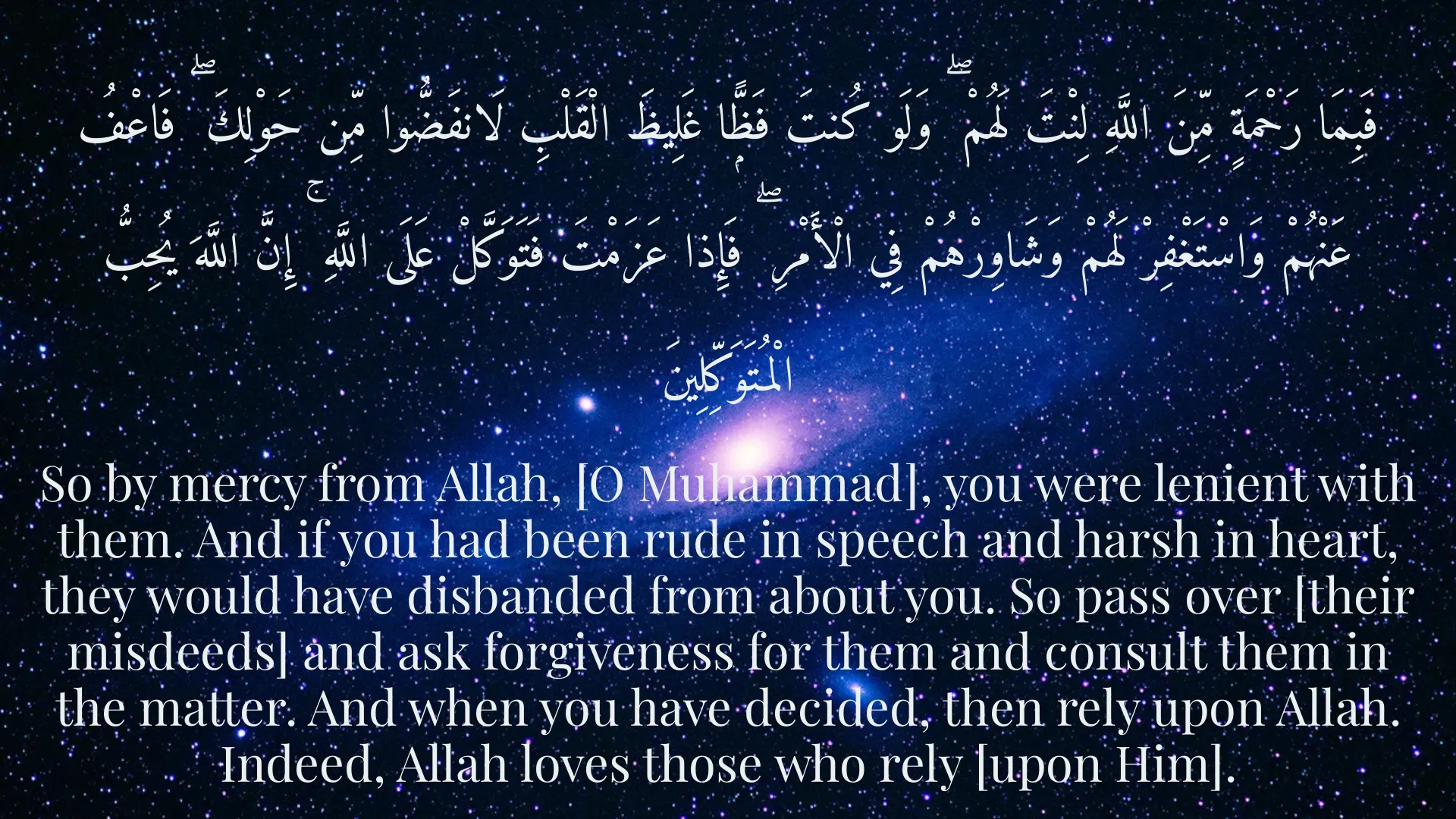
فَبِمَا رَحْمَةٍ مِّنَ اللَّهِ لِنْتَ لَهُمْ ۖ وَلَو كُنتَ فَظًّۭا غَلِيظَ الْقَلْبِ لَانفَضُّوا مِّن حَوْلِكَ ۖ فَاعْفُ عَنْهُمْ وَاسْتَغْفِرْ لَهُمْ وَشَاوِرْهُمْ فِي الْأَمْرِ ۖ فَإِذا عَزَمْتَ فَتَوَكَّلْ عَلَى اللَّهِ ۚ إِنَّ اللَّهَ يُحِبُّ الْمُتَوَكِّلِينَ
So by mercy from Allah, [O Muhammad], you were lenient with them. And if you had been rude in speech and harsh in heart, they would have disbanded from about you. So pass over [their misdeeds] and ask forgiveness for them and consult them in the matter. And when you have decided, then rely upon Allah. Indeed, Allah loves those who rely [upon Him].
Al-Imran : 159
Short Story
One day, a man named Ali decided to smile more to bring joy to others. He noticed how his smile could create a positive and cheerful atmosphere around him. After some time, his friends told him how much his smile had impacted their lives. Ali, pleased by this, realized that smiling not only enhanced his own spirit but also counted as a good service to others.