Quranic Answer
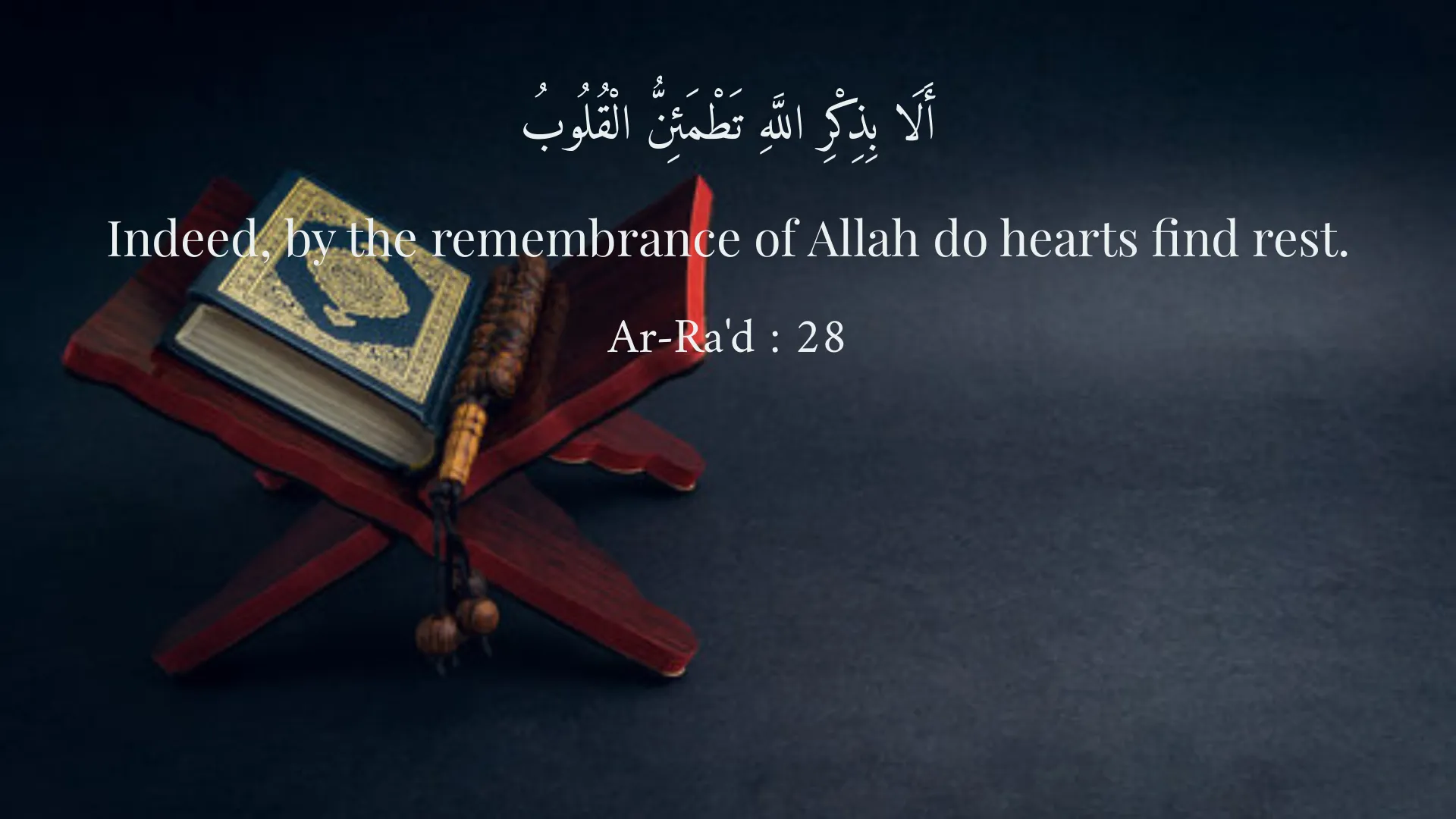
In the Holy Quran, the concept of remembrance (dhikr) holds significant importance, as it is expressed through various forms and undertones throughout the text. Remembrance is not simply confined to routine verbal expressions or recitations; rather, it encompasses a more profound understanding that includes actions, intentions, and the state of one’s heart. This multidimensionality of dhikr is crucial, as it signifies the holistic approach one must take when engaging in remembrance of Allah. One of the prominent verses that encapsulates this essence is from Surah Ar-Ra'd, verse 28: "Indeed, by the remembrance of Allah do hearts find rest." This verse highlights the tranquility and peace that emerges from a sincere remembrance of Allah. It goes beyond the superficial act of speaking words; it emphasizes that true remembrance involves the internalization of faith, the cultivation of the heart, and fostering a connection with the Divine. To find real rest and solace in our lives, it is essential that remembrance of Allah penetrates our thoughts and feelings, guiding our actions and interactions with others. Furthermore, the Holy Quran illustrates that dhikr is closely interwoven with actions and commitments that reflect one’s allegiance to the faith. In Surah Al-Fath, verse 10, Allah states, "Indeed, those who pledge allegiance to you, they are pledging allegiance to Allah." This verse significantly indicates that pledging allegiance to the Prophet Muhammad (PBUH) is in itself a dynamic form of remembrance. It showcases a deep spiritual connection between the believer and the Prophetic mission, where the allegiance is not only a verbal commitment but rather an act of devotion that manifests in the believer’s life. Through this allegiance, the believer is reminded of their responsibilities towards their faith and their community, reinforcing the need for a living expression of remembrance. Moreover, in Surah An-Nisa, verse 124, we witness another dimension of dhikr when Allah states, "And whoever does righteous deeds, whether male or female, while being a believer, those will enter Paradise." This verse clearly indicates that remembrance of Allah has tangible expressions, particularly through righteous deeds. The relationship between faith and action is emphasized throughout the Quran, and this verse distinctly outlines that the remembrance of Allah must translate into righteous actions. Such deeds reflect a believer's remembered commitment to Allah's commands and guide their interactions with all of creation. The multidimensional aspects of dhikr reveal that the act of remembrance is comprehensive; it should resonate throughout our lives and be prominent in our actions, intentions, and daily interactions. Remembrance is not merely a ritualistic practice; it is a way of being that influences our thoughts, behaviors, and emotional states. It invites us to create a conscious connection with Allah that encompasses every facet of our existence. By engaging in this holistic remembrance, we cultivate an inner peace and deeper understanding of our spirituality. As believers, engaging in dhikr also acts as a shield against the challenges and trials of life. When faced with adversities, those who remember Allah find strength and perseverance. The act of remembrance allows for a constant reflection upon Allah's attributes, such as His mercy, wisdom, and omnipresence. This reflection brings comfort and reassurance amid struggles, reminding believers that they are never alone, and that Allah’s assistance is always near. The remembrance of Allah effectively serves as a guiding light, allowing believers to navigate through life's uncertainties with a sense of purpose and clarity. Moreover, the community and the social dimensions of dhikr are equally important. Engaging in communal forms of remembrance, such as attending prayers in congregation or participating in religious discussions, fosters a sense of brotherhood and unity among believers. It provides an opportunity for individuals to strengthen their faith collectively, reinforcing the communal aspects of worship and reminding each other of their responsibilities towards one another. In summary, the Quran captures dhikr as a multifaceted concept that transcends mere verbal recitation. It is an intricate combination of internal belief, righteous actions, and a profound connection with Allah that permeates every aspect of a believer’s life. The verses discussed articulate the importance of remembering Allah not just through speech but through thoughtful actions aligned with faith. This comprehensive approach to remembrance ensures that our commitment to Allah is mirrored in our everyday lives and interactions, enabling us to find spiritual comfort and communal unity. In conclusion, the act of remembrance should be deeply integrated into our lives, reflecting a continuous and conscious effort to embody our faith through actions, intentions, and heartfelt devotion. The teachings within the Holy Quran inspire believers to aspire to uphold the values of dhikr beyond the confines of words, ultimately leading to a fulfilling and purpose-driven existence.
Related Verses
أَلَا بِذِكْرِ اللَّهِ تَطْمَئِنُّ الْقُلُوبُ
Indeed, by the remembrance of Allah do hearts find rest.
Ar-Ra'd : 28
إن الذين يبايعونك إنما يبايعون الله
Indeed, those who pledge allegiance to you, they are pledging allegiance to Allah.
Al-Fath : 10
ومَن يَعْمَلْ مِنَ الصَّالِحَاتِ مِن ذَكَرٍ أَوْ أُنثَى وَهُوَ مُؤْمِنٌ فَأُولَـٰئِكَ يَدْخُلُونَ الجَنَّةَ
And whoever does righteous deeds, whether male or female, while being a believer, those will enter Paradise.
An-Nisa : 124
Short Story
One day, a pious man went to the market and observed others around him. He noticed a young boy who was verbally remembering God without paying attention to his surroundings. The man thought to himself that true remembrance is not just verbal; it should also flow from the heart and manifest in actions. Thus, he decided to always remember God and act righteously, which brought new life to his existence.