Quranic Answer
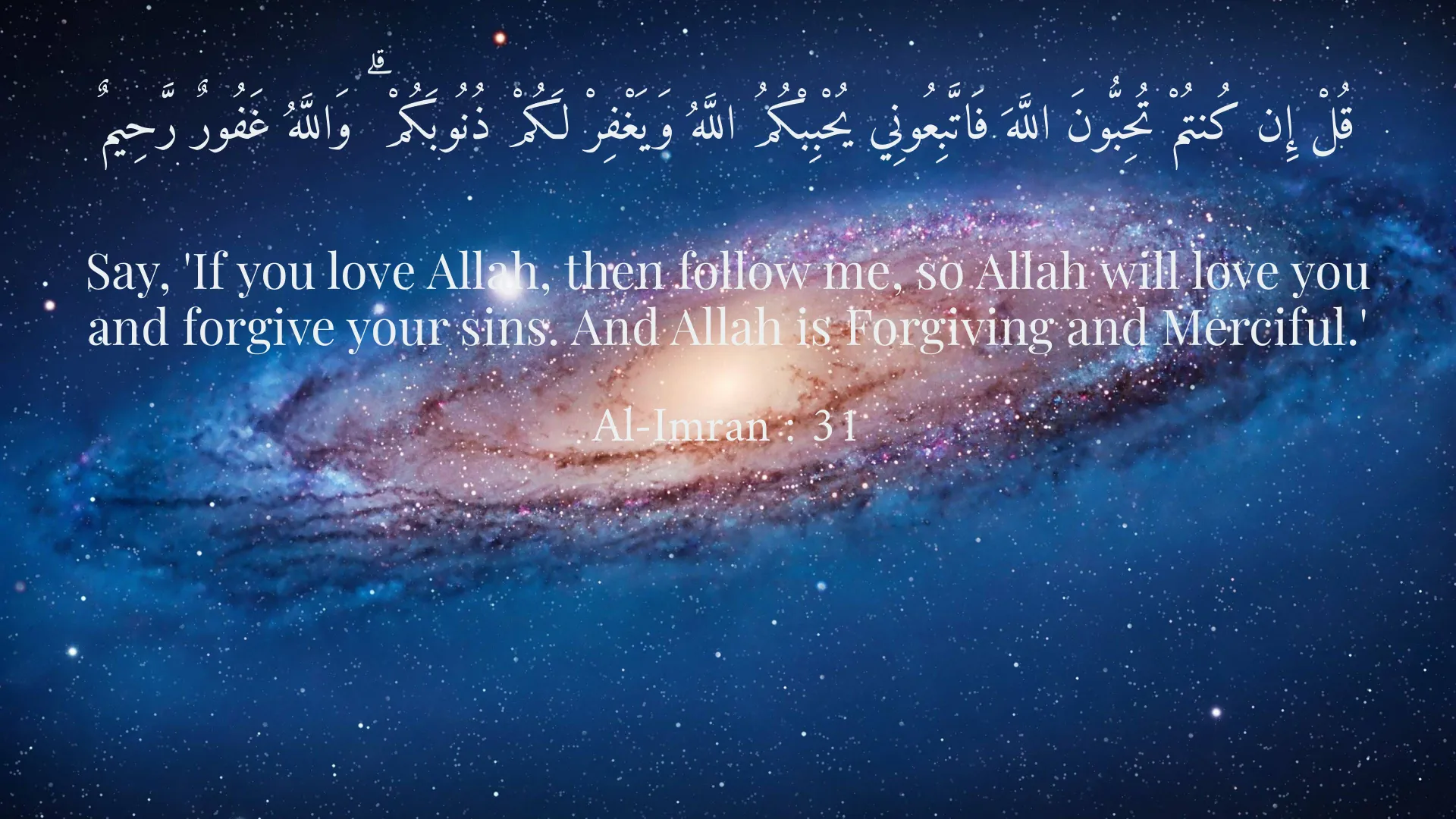
The Holy Quran, considered by Muslims as the divine word of God revealed to Prophet Muhammad (peace be upon him), offers profound insights into various aspects of human existence, including the concept of love. Although the Quran does not explicitly define true love in a singular statement, it addresses significant themes related to love and affection, emphasizing the importance of love for God, love for others, and mutual respect among human beings. At the heart of love in the Quran is the love for God, which is recognized as the ultimate, true, and eternal love. In Surah Al-Imran, verse 31, Allah says, 'Say, if you love Allah, then follow me, so Allah will love you and forgive your sins.' This verse illustrates that true love is not merely a feeling or an emotion but is inseparably linked with obedience to God's teachings and commands. The act of following God’s guidance indicates a deep and abiding love, showcasing that true love requires action. This verse sets a precedent that love for God must be demonstrated through one’s actions and adherence to divine commandments. The concept of love for God also reflects a deeper spiritual relationship between the Creator and His creation. It underscores the idea that genuine love encompasses surrender, humility, and a desire to be in harmony with divine will. In acknowledging this love, believers are invited to cultivate a sincere relationship with God, which brings about tranquility and fulfillment in their lives. Moreover, the Quran addresses love among humans, highlighting kindness, compassion, and mutual respect as essential traits of a loving community. In Surah Al-Ma'idah, verse 54, it states: 'O you who have believed, whoever of you should revert from his religion - Allah will bring forth for the people whom He will love and who will love Him.' This verse elucidates that love is not a solitary experience; rather, it is reciprocal. True love between individuals is depicted as a bond stemming from the collective love for God, reinforcing the idea that the relationship we hold with God directly influences our relationships with others. In a world often marked by division and animosity, the Quran serves as a reminder to maintain love and unity within the human community. It highlights the need for forgiveness, understanding, and empathy towards one another. Such attributes are essential for fostering a sense of belonging and harmony in society, illuminating how true love transcends individual desires and seeks the common good. Furthermore, in Surah Al-Baqarah, verse 165, it says: 'And among the people are those who take other than Allah as equals [to Him]; they love them as they should love Allah. But those who believe are stronger in love for Allah.' This verse reflects on the nature of love, stressing that it can be misdirected when individuals prioritize worldly affections over their devotion to God. It serves as a cautionary reminder that such misplaced love can lead to spiritual detriment. True love in the Quran entails a profound and faithful affection that is rooted in a relationship with God. Believers are encouraged to nurture their love for God, which acts as a guiding force in how they engage with others. This loving relationship fosters an understanding that our love for one another must be founded on principles of faith, empathy, and striving for righteousness. Here, the Quran sets forth a model that intertwines divine love with social harmony. In addition to love for God and mutual love among humans, the Quran also emphasizes the importance of compassion, mercy, and kindness. The teachings of Prophet Muhammad (peace be upon him) reiterate these values, endorsing love as a means of promoting peace and goodwill among people. Hadith literature, which consists of the sayings and actions of the Prophet, reinforces the concept that true love should extend beyond familial and social circles to encompass all of humanity. For instance, the Prophet Muhammad (peace be upon him) emphasized the duty of helping those in need, being gentle and forgiving, and holding one another in high regard. Such actions reflect the essence of love that the Quran advocates. The belief in the oneness of humanity and the call to treat each individual with dignity and respect further enhances the notion that love is a binding force that transcends cultural, ethnic, and religious boundaries. In conclusion, while the Holy Quran may not explicitly define true love, it undoubtedly conveys a profound understanding of the subject through its teachings. It invites believers to cultivate a genuine love for God, which inevitably impacts how they approach love for others. True love, as described in the Quran, is deeply connected to obedience to God and the practice of kindness and respect towards humanity. It is a comprehensive vision that invites individuals to build relationships founded on faith, compassion, and shared values. The essence of love in the Quran reflects a holistic approach that encourages believers to seek a deeper connection with God while simultaneously fostering a loving and respectful community. Overall, the Quran underscores that love is a powerful force that, when aligned with divine principles, can lead to mutual understanding, peace, and a harmonious existence among all of humanity.
Related Verses
قُلْ إِن كُنتُمْ تُحِبُّونَ اللَّهَ فَاتَّبِعُونِي يُحْبِبْكُمُ اللَّهُ وَيَغْفِرْ لَكُمْ ذُنُوبَكُمْ ۗ وَاللَّهُ غَفُورٌ رَّحِيمٌ
Say, 'If you love Allah, then follow me, so Allah will love you and forgive your sins. And Allah is Forgiving and Merciful.'
Al-Imran : 31
يَا أَيُّهَا الَّذِينَ آمَنُوا مَن يَرْتَدَّ مِنكُمْ عَنْ دِينِهِ فَسَوْفَ يَأْتِي اللَّهُ بِقَوْمٍ يُحِبُّهُمْ وَيُحِبُّونَهُ أَذِلَّةً عَلَى الْمُؤْمِنِينَ أَعِزَّةً عَلَى الْكَافِرِينَ يُجَاهِدُونَ فِي سَبِيلِ اللَّهِ وَلَا يَخَافُونَ لَوْمَةَ لائِمٍ ۚ ذَٰلِكَ فَضْلُ اللَّهِ يُؤْتِيهِ مَنْ يَشَاءُ ۗ وَاللَّهُ وَاسِعٌ عَلِيمٌ
O you who have believed, whoever of you should revert from his religion - Allah will bring forth for the people whom He will love and who will love Him; humbled toward the believers, powerful against the disbelievers. They strive in the cause of Allah and do not fear the blame of a critic. That is the favor of Allah; He bestows it upon whom He wills. And Allah is All-Encompassing and Knowing.
Al-Ma'idah : 54
وَمِنَ النَّاسِ مَنْ يَتَّخِذُ مِن دُونِ اللَّهِ أَندَادًا يُحِبُّونَهُمْ كَحُبِّ اللَّهِ ۚ وَالَّذِينَ آمَنُوا أَشَدُّ حُبًّا لِّلهِ ۚ وَلَوْ يَرَى الَّذِينَ ظَلَمُوا إِذْ يَرَوْنَ الْعَذَابَ أَنَّ الْقُوَّةَ لِلَّهِ جَمِيعًا وَأَنَّ اللَّهَ شَدِيدُ الْعَذَابِ
And among the people are those who take other than Allah as equals [to Him]; they love them as they should love Allah. But those who believe are stronger in love for Allah. And if only they who had wronged would consider, when they see the punishment, that all power belongs to Allah and that Allah is severe in punishment.
Al-Baqarah : 165
Short Story
One day, a student named Ali was researching the concept of love in his philosophy class. He said to his friend, 'What is true love?' His friend pointed to the verses of the Quran and replied, 'Ali, the Quran teaches that true love should begin with God and then extend to others.' This conversation led Ali to understand the depth of love and affection, encouraging him to follow Quranic guidance in his life.