Quranic Answer
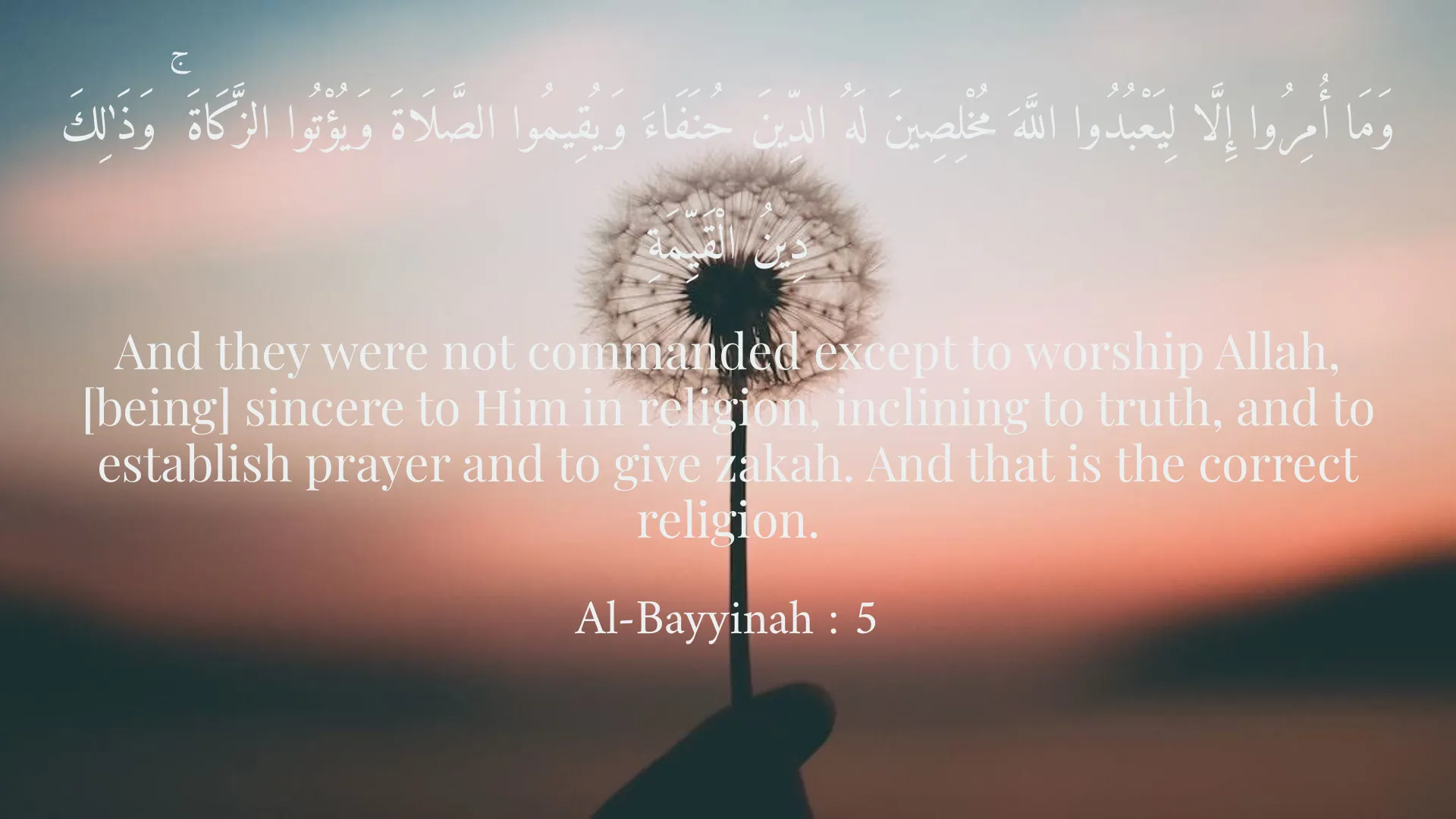
The question of whether worship without love can be dangerous delves into the very essence and spirit of worship in Islam. The Holy Quran repeatedly emphasizes the importance of pure intention, sincerity (ikhlas), and presence of heart in performing acts of worship. Worship is not merely a set of physical movements and recitations; rather, it is a deep, heartfelt connection with the Creator of the universe, which must stem from genuine love and devotion. In this context, the unequivocal answer is yes, worship without love is not only futile but can also be dangerous in certain aspects, as it can lead to spiritual ailments such as hypocrisy, showing off, and spiritual emptiness, instead of spiritual elevation. The foundation of worship in Islam is 'pure monotheism' (Tawhid) and 'sincerity in action.' Allah states in Surah Al-Bayyinah, verse 5: "And they were not commanded except to worship Allah, [being] sincere to Him in religion, inclining to truth, and to establish prayer and to give zakah. And that is the correct religion." This verse explicitly indicates that the criterion for acceptance of deeds is sincerity. Sincerity, in turn, is meaningless without love and heartfelt devotion to the worshipped One. Worship without love is like a body without a soul; it may have a beautiful exterior, but it brings no benefit for human growth and perfection. The first danger of worship without love is the emergence of 'Riya' (showing off). Riya means performing acts of worship to be seen by people and to gain their praise and admiration, rather than for the pleasure of Allah. In Surah Al-Ma'un, Allah severely reprimands those who show off, saying: "So woe to those who pray [But] who are heedless of their prayer - Those who make show [of their deeds]." (Al-Ma'un: 4-6). These verses clearly demonstrate that prayer performed out of heedlessness and for ostentation is not only worthless but also deserves 'Woe' (a valley in Hell or severe punishment). Ostentatious worship is a subtle form of shirk (associating partners with Allah), because it directs one's attention to other than God, and the love for creation takes precedence over the love for the Creator. This can lead to self-deception and a gradual deviation from the path of truth. The second danger is 'Nifaq' (hypocrisy). Hypocrites are those who outwardly declare faith and perform acts of worship, but inwardly have no faith or love for Allah. The Quran describes the state of hypocrites as extremely perilous, stating: "Indeed, the hypocrites will be in the lowest depths of the Fire." (An-Nisa: 145). Hypocritical worship is not only without benefit but leads to greater torment, because hypocrisy creates a barrier between a person and the truth, depriving them of understanding divine mercy. In this type of worship, there is no love for Allah, and actions are performed merely to maintain appearances or to gain worldly benefits. Beyond riya and hypocrisy, worship without love can lead to 'spiritual emptiness' and 'boredom.' If worship does not stem from love and yearning, it gradually turns into a dry, lifeless habit that has no impact on the soul's elevation or purification of the self. An individual might perform all their religious duties but feel no inner peace or closeness to God. This situation can lead to disillusionment and aversion to religion and spirituality. The Quran warns believers not to let their hearts harden and not to become heedless of the remembrance of Allah, as hardness of heart distances one from divine mercy. Loving worship draws a person closer to God and fills them with joy and enthusiasm, while loveless worship tires and discourages them. Furthermore, worship without love can foster 'arrogance' and 'self-superiority.' An individual who prides themselves solely on the multitude of their acts of worship, without the love of God inspiring humility and submission, may come to see themselves as superior to others and fall into 'ujb' (self-admiration). This spiritual pride is a deadly poison for the soul and diverts a person from the path of guidance. In Surah At-Tawbah, verse 24, Allah clearly states that love for Him and His Messenger must take precedence over everything else: "Say, 'If your fathers, your sons, your brothers, your wives, your relatives, the wealth which you have obtained, and the commerce in which you fear decline, and the dwellings in which you delight are more beloved to you than Allah and His Messenger and jihad in His cause, then wait until Allah executes His command. And Allah does not guide the defiantly disobedient people.'" This verse indicates that love for Allah and His Messenger is the primary criterion for faith and avoiding transgression, and without this love, acts of worship will lack a solid foundation. Ultimately, true worship, imbued with love, leads to the rectification of human behavior and ethics. Prayer and other acts of worship, when accompanied by the presence of heart and divine love, serve as deterrents from indecency and evil. However, if this love and sincerity are absent, worship becomes merely a mechanical act that has no impact on self-purification or avoidance of sin. Indeed, the danger of worship without love lies in the fact that a person might believe they have fulfilled their duty by outwardly performing acts of worship, while their soul remains devoid of the reality of servitude. This illusion can prevent them from striving for true spiritual growth. Therefore, for worship to be a source of human felicity and perfection, it must be nourished by the spring of love and heartfelt devotion to Allah, and sincerity and presence of heart must be continuously emphasized within it.
Related Verses
وَمَا أُمِرُوا إِلَّا لِيَعْبُدُوا اللَّهَ مُخْلِصِينَ لَهُ الدِّينَ حُنَفَاءَ وَيُقِيمُوا الصَّلَاةَ وَيُؤْتُوا الزَّكَاةَ ۚ وَذَٰلِكَ دِينُ الْقَيِّمَةِ
And they were not commanded except to worship Allah, [being] sincere to Him in religion, inclining to truth, and to establish prayer and to give zakah. And that is the correct religion.
Al-Bayyinah : 5
فَوَيْلٌ لِّلْمُصَلِّينَ
So woe to those who pray,
Al-Ma'un : 4
الَّذِينَ هُمْ عَن صَلَاتِهِمْ سَاهُونَ
[But] who are heedless of their prayer -
Al-Ma'un : 5
الَّذِينَ هُمْ يُرَاءُونَ
Those who make show [of their deeds].
Al-Ma'un : 6
قُلْ إِن كَانَ آبَاؤُكُمْ وَأَبْنَاؤُكُمْ وَإِخْوَانُكُمْ وَأَزْوَاجُكُمْ وَعَشِيرَتُكُمْ وَأَمْوَالٌ اقْتَرَفْتُمُوهَا وَتِجَارَةٌ تَخْشَوْنَ كَسَادَهَا وَمَسَاكِنُ تَرْضَوْنَهَا أَحَبَّ إِلَيْكُم مِّنَ اللَّهِ وَرَسُولِهِ وَجِهَادٍ فِي سَبِيلِهِ فَتَرَبَّصُوا حَتَّىٰ يَأْتِيَ اللَّهُ بِأَمْرِهِ ۗ وَاللَّهُ لَا يَهْدِي الْقَوْمَ الْفَاسِقِينَ
Say, 'If your fathers, your sons, your brothers, your wives, your relatives, the wealth which you have obtained, and the commerce in which you fear decline, and the dwellings in which you delight are more beloved to you than Allah and His Messenger and jihad in His cause, then wait until Allah executes His command. And Allah does not guide the defiantly disobedient people.'
At-Tawbah : 24
Short Story
It is narrated in Saadi's Gulistan that there was a devout man who spent his nights in worship until dawn and his days in fasting. His appearance was so adorned that whoever saw him envied his piety. One day, a great Sheikh saw him and said: 'O man! For years you have cleansed your body with worship and fasting, but have you also cleansed your heart with the water of love and humility?' The devout man asked in astonishment: 'How should one cleanse the heart?' The Sheikh replied: 'If your worship is only for people to see and for gaining a good reputation, and not out of love for God, then you have washed it with the tears of self-admiration and arrogance, not with the water of sincerity. Worship is not merely in movements and words; the spirit of worship lies in the love that purifies the heart and makes deeds acceptable. Otherwise, there may be worship whose exterior is beautiful, but whose interior is tainted by pride and hypocrisy, making it dangerous.'