Quranic Answer
The feeling of disrespect from others is a painful and unpleasant experience that every human being may encounter throughout their life. At first glance, one might wonder if this feeling should simply be tolerated without any reaction. The profound and rich teachings of the Holy Quran offer comprehensive and elevated guidance on this matter, which not only helps preserve an individual's dignity and self-respect but also paves the way for inner peace and improved human relationships. The Quran does not merely call us to tolerate disrespect unconditionally; rather, it provides guidelines based on wisdom, patience, forgiveness, and countering evil with good. First and foremost, the Quran advises believers to exercise patience in the face of adversities and harms. Patience here does not imply weakness or indifference; instead, it is a form of active resilience and self-restraint that allows an individual to calmly and thoughtfully choose the best response. In Surah Al-Baqarah, verse 153, Allah says: "O you who have believed, seek help through patience and prayer. Indeed, Allah is with the patient." This verse teaches us that patience and reliance on God are powerful tools for dealing with difficulties, including disrespect. Patience provides us with the opportunity to manage initial feelings of anger and hurt, thereby preventing hasty reactions that might worsen the situation. Furthermore, the Quran places significant emphasis on the principle of "repelling evil with good." This principle is one of the most beautiful and effective Quranic teachings in social interactions. In Surah Fussilat, verse 34, we read: "And not equal are the good deed and the bad. Repel [evil] with that which is better; then abruptly the one between whom and you was enmity will become as though he was a devoted friend." This verse offers a revolutionary strategy for confronting disrespect and hostility. Instead of retaliating in kind or descending to the level of the disrespectful person, the Quran teaches us to respond with kindness and commendable behavior. This action not only prevents the spread of the cycle of resentment and animosity but can even soften the heart of the aggressor, transforming enmity into friendship. This approach requires courage, magnanimity, and strong faith, as it is not easy to smile or respond with kindness in the face of harsh words. However, its reward is inner transformation and lasting peace. Nonetheless, these teachings do not imply accepting all forms of injustice or humiliation. The Holy Quran never instructs believers to abandon their dignity or remain silent in the face of oppression. In Surah Ash-Shura, verse 41, it mentions those who defend themselves after being wronged: "And whoever avenges himself after having been wronged - those are not subject to blame." But immediately after, in verse 43 of the same surah, it highlights a crucial point: "And whoever is patient and forgives - indeed, that is of the matters [requiring] determination." These verses demonstrate that Islam strikes a delicate balance between self-defense, forgiveness, and patience. In cases where disrespect escalates to an assault on human dignity or the violation of rights, an individual is permitted to defend themselves. Yet, even in such circumstances, if forgiveness and overlooking are possible and beneficial, they will yield greater reward and signify spiritual strength and resolve. This means that an individual should not allow others' disrespect to derail them from the path of truth and fairness or to reduce them to the level of the one who showed disrespect. Ultimately, managing feelings of disrespect requires insight and wisdom. Sometimes, overlooking minor and fleeting acts of disrespect is the best way to maintain peace and prevent small issues from escalating. At other times, a respectful dialogue and expressing discomfort in an effective and constructive manner may be necessary to make the other person aware of their behavior. The ultimate goal is not merely passive "toleration" but active "management" and "enhancement" of the quality of relationships and the preservation of one's own and society's mental well-being. Islam teaches us to always act with self-respect and dignity, to avoid arrogance and pride, and to interact with others with humility and kindness, even when they deviate from courteous behavior. This approach not only helps us to be less harmed but, in the long run, earns us genuine respect and makes us more stable and peaceful individuals who can positively influence those around them. Therefore, the Quran's answer to this question is neither passive tolerance nor aggressive reaction, but an answer based on wisdom, patience, forgiveness, and turning evil into good, with the ultimate goal of preserving human dignity and achieving peace and tranquility in society.
Related Verses
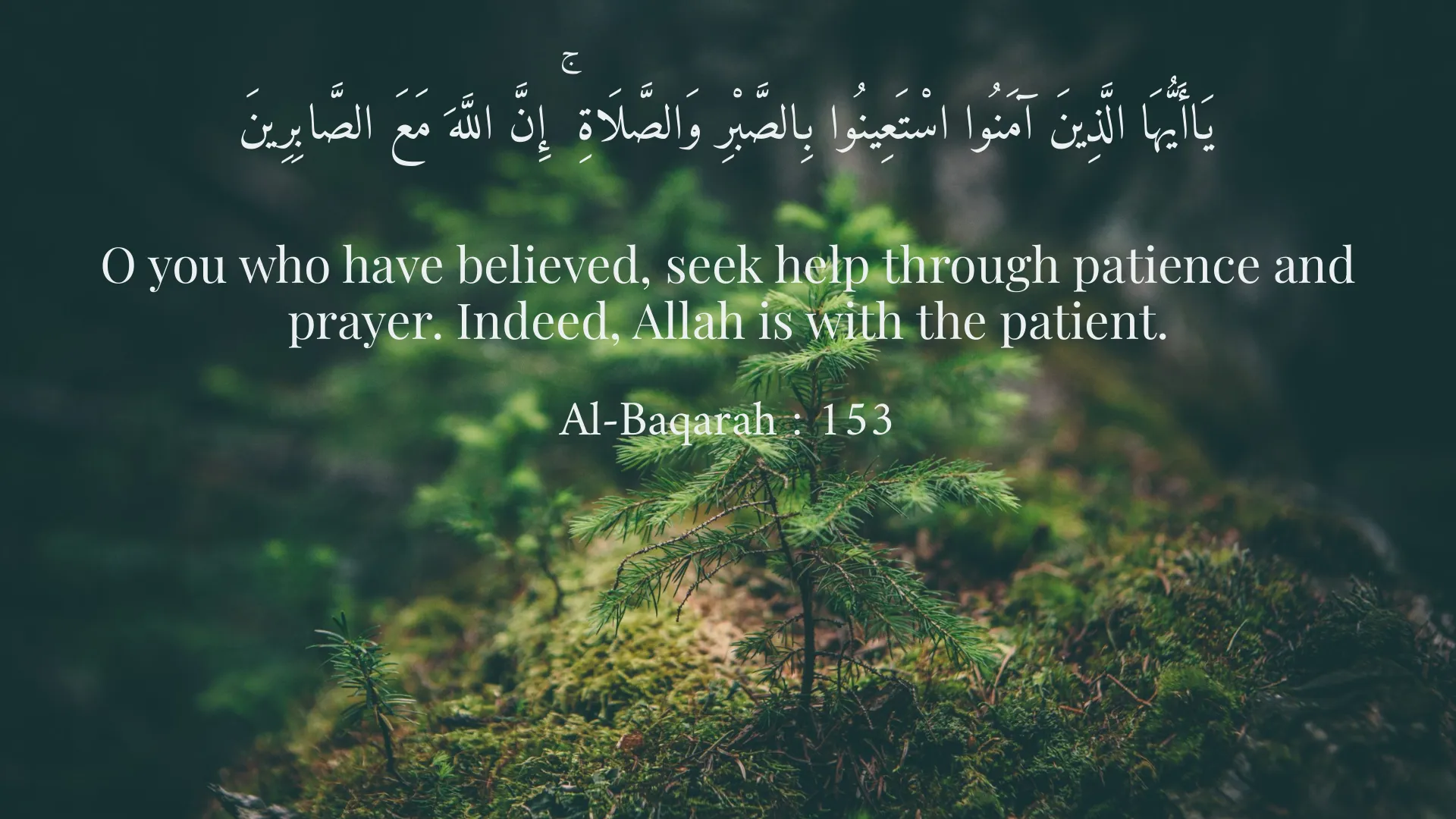
يَاأَيُّهَا الَّذِينَ آمَنُوا اسْتَعِينُوا بِالصَّبْرِ وَالصَّلَاةِ ۚ إِنَّ اللَّهَ مَعَ الصَّابِرِينَ
O you who have believed, seek help through patience and prayer. Indeed, Allah is with the patient.
Al-Baqarah : 153
وَلَا تَسْتَوِي الْحَسَنَةُ وَلَا السَّيِّئَةُ ۚ ادْفَعْ بِالَّتِي هِيَ أَحْسَنُ فَإِذَا الَّذِي بَيْنَكَ وَبَيْنَهُ عَدَاوَةٌ كَأَنَّهُ وَلِيٌّ حَمِيمٌ
And not equal are the good deed and the bad. Repel [evil] with that which is better; then abruptly the one between whom and you was enmity will become as though he was a devoted friend.
Fussilat : 34
وَلَمَنْ صَبَرَ وَغَفَرَ إِنَّ ذَٰلِكَ لَمِنْ عَزْمِ الْأُمُورِ
But whoever is patient and forgives - indeed, that is of the matters [requiring] determination.
Ash-Shura : 43
Short Story
It is narrated in Saadi's Gulistan that a king told his vizier, "So-and-so has spoken ill of me." The wise vizier replied, "O King, the tongue of slanderers is like the wind that strikes a hard wall and returns, harming themselves. Whoever suffers pain from others, if they respond with patience, will remove the enmity. For water is poured on fire to extinguish it, not to make it burn fiercer. Thus, a good-natured person answers the ignorance of others with their own wisdom, and their silence is more eloquent than a hundred shouts." And the king took heed of this saying and understood that forgiveness and peace are better than a thousand battles and disputes.