Quranic Answer
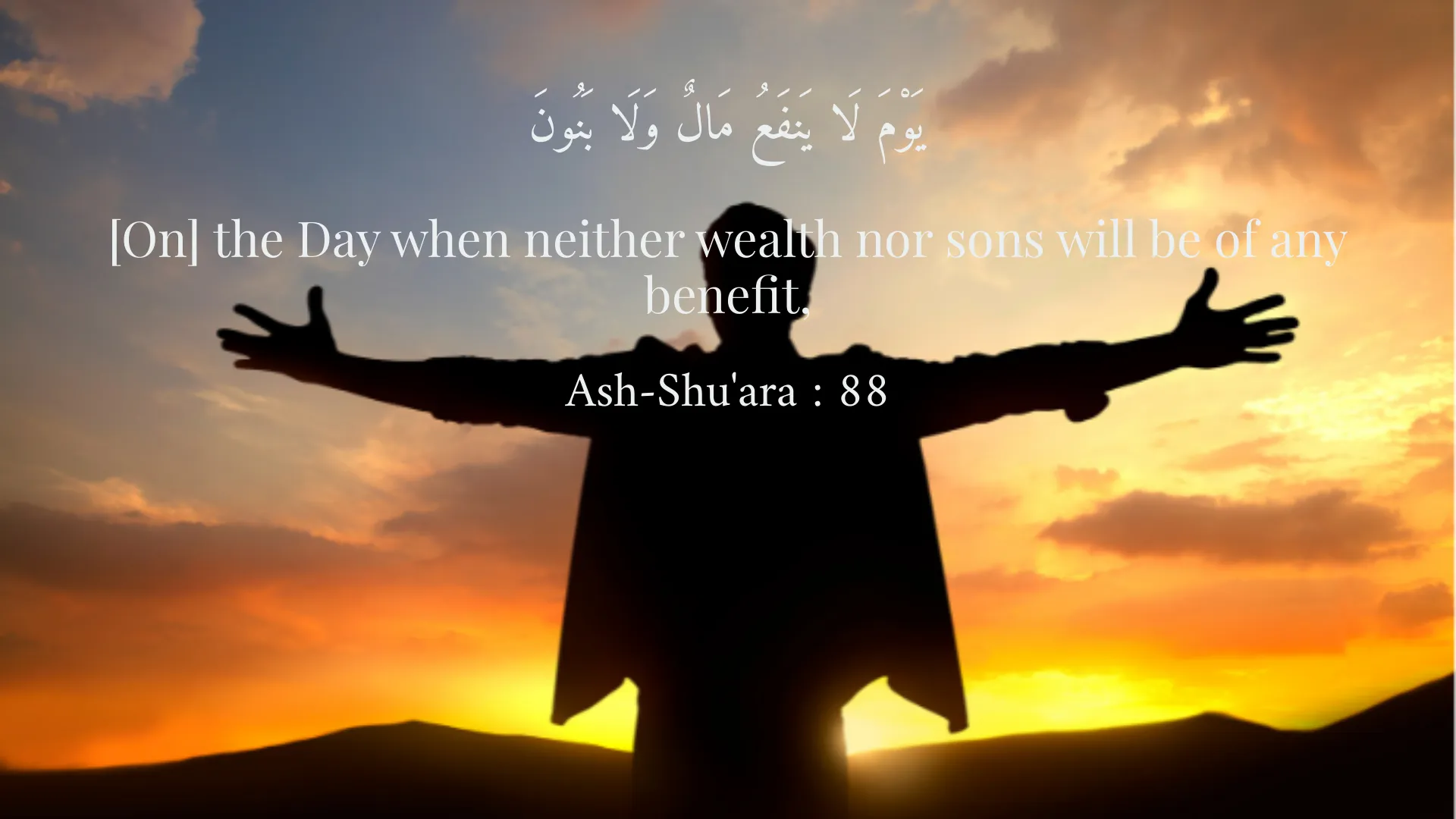
In the elevated teachings of the Holy Quran, the subject of the inner self's importance versus outward appearance is central and profoundly deep. The inner self encompasses the heart, intentions, faith, piety (Taqwa), ethics, and intrinsic qualities, while outward appearance refers to external actions, dress, physical beauty, social status, and anything visible to the eye. The Quran explicitly emphasizes that what holds greater value and regard in the sight of Allah is inner piety, sincerity of intention, and purity of the inner self, rather than mere external manifestations or soulless acts. This perspective is the cornerstone for a correct understanding of religiosity and servitude in Islam. The Quran repeatedly points to the significance of a 'sound heart' (Qalb-e Saleem) and 'Taqwa'. The heart is the core of a person's faith, will, and intentions. In Surah Ash-Shu'ara, verses 88 and 89, Allah says: 'The Day when neither wealth nor sons will be of any benefit, except for he who comes to Allah with a sound heart.' This verse explicitly states that on the Day of Final Accountability, what will truly benefit a person is possessing a pure heart, free from polytheism and hypocrisy, and filled with faith and sincerity. This indicates that all outward actions only gain true value if they originate from this pure fountain of a sound heart. Taqwa, repeatedly emphasized in the Quran, is also an entirely internal concept. Taqwa means God-consciousness accompanied by righteousness and avoidance of sins, and its locus is the heart. Surah Al-Hujurat, verse 13, is one of the most prominent verses in this regard: 'O mankind, indeed We have created you from male and female and made you peoples and tribes that you may know one another. Indeed, the most noble of you in the sight of Allah is the most righteous of you.' This verse explicitly rejects any boasting based on race, tribe, wealth, or outward status, making Taqwa the sole criterion for superiority, which is an intrinsic, spiritual virtue. This means that Allah looks at the depths of a person's being and considers what is in their heart and intentions as the primary criterion for evaluation. Sincerity (Ikhlas), meaning purifying one's intention for Allah alone, is another key concept that emphasizes the importance of the inner self. The Quran, in numerous verses, calls upon humanity to be 'sincere in religion' (Ikhlas fid-Deen). For example, in Surah Az-Zumar, verse 2, it states: 'So worship Allah, [being] sincere to Him in religion.' Any action, no matter how outwardly good and righteous, loses its value if performed with an ungodly intention (such as showing off, seeking praise, fame, or worldly gain). The Prophet Muhammad (peace be upon him) also famously stated: 'Innama al-a'malu bin-niyyat' (Indeed, actions are by intentions). This Hadith is rooted in the Quranic vision that the validity of actions rests upon the underlying heart and intention. The outward appearance of an action might be the same, but the inner intention makes it fundamentally different; one leading to divine proximity, and the other becoming worthless or even sinful. The Quran also emphasizes the inner dimension of outward acts of worship, such as prayer (Salah) and pilgrimage (Hajj). In Surah Al-Hajj, verse 37, regarding sacrifices, it says: 'Their meat will not reach Allah, nor will their blood, but what reaches Him is piety from you.' This verse makes it clear that the purpose of sacrificing animals during Hajj or Eid al-Adha is not merely to perform an external act, but what is accepted by Allah is the state of Taqwa and submission of the heart underlying this action. Prayer, too, is not merely the outward movements of bowing and prostrating but the presence of heart, attention, and inner humility that gives it spirit. Without this presence of heart, prayer can turn into a meaningless habit. Furthermore, the Quran severely condemns hypocrisy (Nifaq) and ostentation (Riya), which are manifestations of the discrepancy between outer appearance and inner reality. A hypocrite is someone who verbally professes faith but is a disbeliever at heart. The Quran promises hypocrites the lowest depths of Hell (Surah An-Nisa, verse 145). This severe punishment indicates that Allah gives special importance to deceit and duplicity and finds an inconsistent inner self with outward appearance highly displeasing. This demonstrates that Allah values a person's inner and outer integrity above all else. Even concerning dress and modesty (Hijab), while Islam emphasizes maintaining a modest appearance and appropriate covering, it consistently links this external covering to the 'garment of righteousness' or 'garment of dignity' (Surah Al-A'raf, verse 26: 'O children of Adam, We have bestowed upon you clothing to conceal your private parts and as adornment. But the clothing of righteousness – that is best.'). This verse shows that while outward covering is important, the true and essential covering that protects a person from sins and elevates them in the sight of Allah is the garment of Taqwa and piety, which is an inner, heart-based aspect. In summary, the Holy Quran addresses the deepest layers of human existence and recognizes true worth in the piety of the heart, sincerity of intention, and inner honesty. Outward actions and even a person's physical appearance only gain meaning and value when they stem from a pure, sound, and God-seeking inner self. This Quranic emphasis on the inner self not only teaches people not to be content with external displays but also encourages profound self-purification and refinement of inner intentions and thoughts to attain divine pleasure. This perspective reveals the depth and profundity of Islamic teachings, which go beyond mere appearances and address the very essence of human existence.
Related Verses
يَوْمَ لَا يَنفَعُ مَالٌ وَلَا بَنُونَ
[On] the Day when neither wealth nor sons will be of any benefit,
Ash-Shu'ara : 88
إِلَّا مَنْ أَتَى اللَّهَ بِقَلْبٍ سَلِيمٍ
Except for he who comes to Allah with a sound heart.
Ash-Shu'ara : 89
يَا أَيُّهَا النَّاسُ إِنَّا خَلَقْنَاكُم مِّن ذَكَرٍ وَأُنثَىٰ وَجَعَلْنَاكُمْ شُعُوبًا وَقَبَائِلَ لِتَعَارَفُوا ۚ إِنَّ أَكْرَمَكُمْ عِندَ اللَّهِ أَتْقَاكُمْ ۚ إِنَّ اللَّهَ عَلِيمٌ خَبِيرٌ
O mankind, indeed We have created you from male and female and made you peoples and tribes that you may know one another. Indeed, the most noble of you in the sight of Allah is the most righteous of you. Indeed, Allah is Knowing and Acquainted.
Al-Hujurat : 13
لَن يَنَالَ اللَّهَ لُحُومُهَا وَلَا دِمَاؤُهَا وَلَكِن يَنَالُهُ التَّقْوَىٰ مِنكُمْ ۚ كَذَٰلِكَ سَخَّرْنَاهَا لَكُمْ لِتُكَبِّرُوا اللَّهَ عَلَىٰ مَا هَدَاكُمْ ۗ وَبَشِّرِ الْمُحْسِنِينَ
Their meat will not reach Allah, nor will their blood, but what reaches Him is piety from you. Thus have We subjected them to you that you may glorify Allah for that [to] which He has guided you; and give good tidings to the doers of good.
Al-Hajj : 37
Short Story
It is narrated that one of the great kings in Saadi's time summoned a devout and reclusive man and said, 'O Dervish, what is your need that I may fulfill it?' The Dervish, with a warm and calming smile, replied: 'O King! I have no need except that I see you have no need for me. For true wealth and genuine independence reside within a person, not in what they have amassed from the world.' The king was astonished by his words, for despite all his pomp and glorious outward appearance, he was inwardly always seeking to increase his wealth and power and found no peace. But the Dervish, with his simple and unadorned exterior, carried a treasure of contentment and satisfaction in his heart. This delightful story by Saadi teaches us that a person's true worth lies not in their outward appearance or possessions, but in their pure inner self, noble spirit, and a contented heart full of faith, which makes them dear to the Creator and to creation. What comes from within endures, and what is merely an external display is fleeting.