Quranic Answer
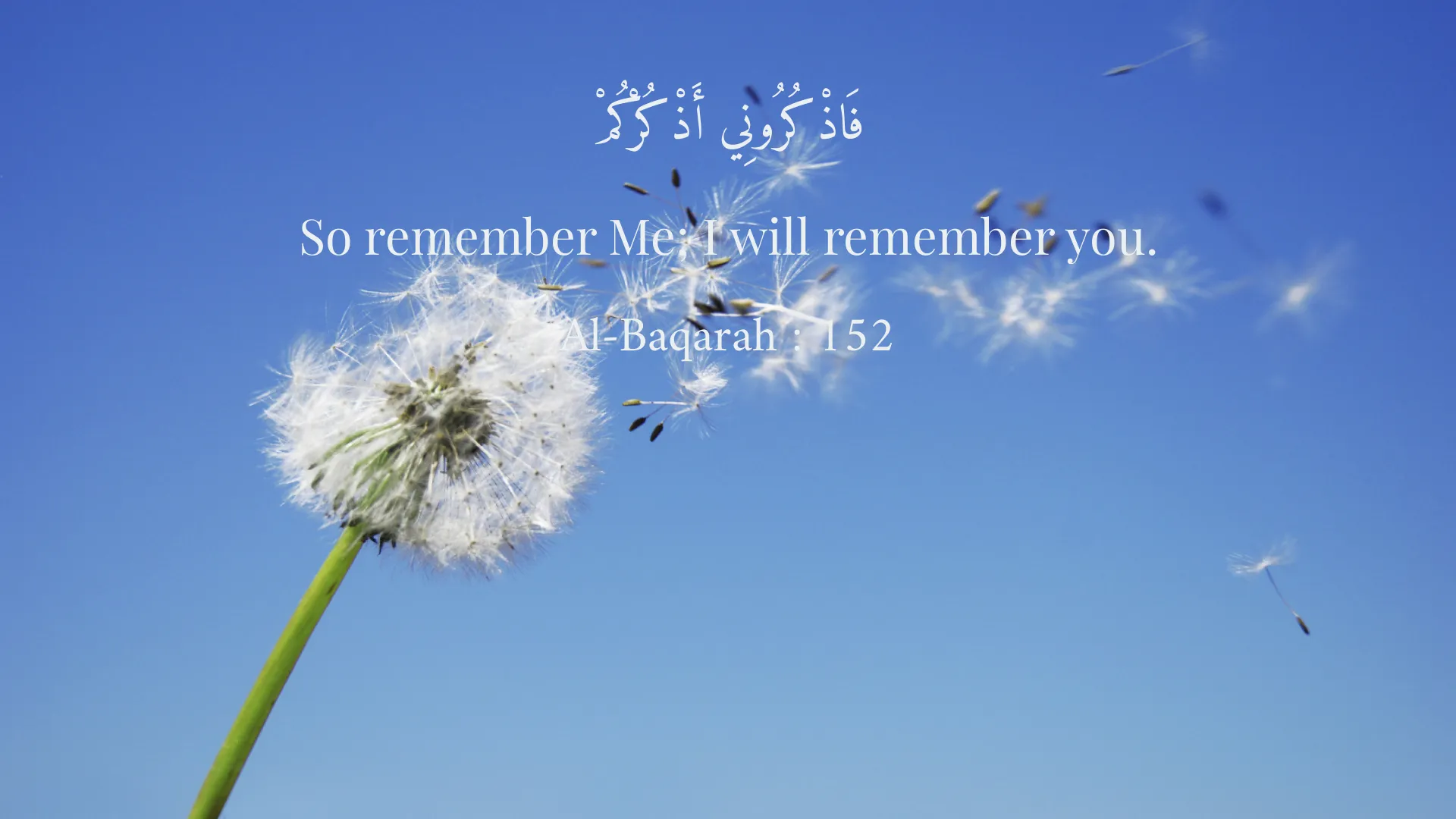
Spiritual growth is a profound and intricate journey that encompasses various dimensions of human existence. It is influenced by a multitude of factors, including one’s beliefs, actions, and the relationships one cultivates throughout their life. At the heart of spiritual growth, however, lies a fundamental aspect: the importance of establishing and maintaining a close connection with God. This relationship can be pivotal in guiding individuals toward a more fulfilling and enriched spiritual life. The Holy Quran, as the primary source of divine guidance for Muslims, emphasizes the significance of this connection. Allah advises believers to engage in prayer (Salah) and supplication (Dua) consistently, as well as to remember Him frequently. This is beautifully encapsulated in Surah Al-Baqarah, verse 152, where it states: 'So remember Me; I will remember you.' This verse not only highlights the reciprocity of divine remembrance but also underscores the importance of keeping God at the forefront of one’s daily life. By acknowledging the presence of God in every moment, individuals can foster a more profound sense of spiritual awareness. The act of prayer serves as a direct link between the believer and Allah. It offers a dedicated time for reflection, introspection, and communication with the Creator. Each prayer becomes an opportunity to seek guidance, express gratitude, and ask for forgiveness. Furthermore, the discipline of regular prayer instills a sense of structure in one’s life and reminds individuals of their purpose and responsibilities as believers. In addition to prayer, reciting the Quran is another powerful means of enhancing spiritual growth. The Quran, regarded as the Word of God, is a perpetual source of guidance and illumination. The significance of reciting the Quran is emphasized in Surah Yunus, verse 57, where Allah states: 'O mankind, there has come to you a lesson from your Lord and a healing for what is in the breasts.' This verse indicates that the Quran is not just a text to be read; it is a source of healing for the heart and soul, providing insights that can help individuals navigate the complexities of life. Through the recitation and contemplation of the verses, believers can gain a deeper understanding of life, the universe, and their purpose within it. Engaging with the Quran encourages reflection on fundamental questions about existence, morality, and the nature of God. As individuals ponder the messages within the Quran, they often find illumination that can lead to transformative changes in their lives. Moreover, the Quran teaches the value of good deeds and the significance of kindness toward others as pivotal components of spiritual growth. Acts of charity (Sadaqah), compassion, and mercy are encouraged in various verses throughout the Quran. In Surah Al-Ma'idah, verse 32, it states: 'Whoever kills a soul unless for a soul or for corruption [done] in the land - it is as if he had slain mankind entirely.' This powerful verse serves as a reminder of the sanctity of life and the impact that one's actions can have on the broader community. It directly links the idea of spiritual growth to the well-being of others, emphasizing that kindness and compassion not only benefit society but also propel the individual on their spiritual journey. Additionally, performing good deeds fosters a sense of fulfillment and purpose. The act of helping others, whether through charitable acts, volunteering, or simply being there for someone in need, contributes positively to one’s spiritual development. It reinforces the interconnectedness of humanity and underscores the importance of uplifting one another in times of difficulty. This connection not only enriches one's spiritual practice but also strengthens community ties, leading to a more harmonious society. Lastly, self-reflection and self-improvement are integral to spiritual growth. In order to move forward on this journey, individuals must engage in constant evaluation of themselves. This process involves identifying personal strengths and weaknesses, reflecting on one’s actions, and striving for betterment. Repentance (Tawbah) is a crucial aspect of this journey, as it allows individuals to turn back to God, seek forgiveness for their shortcomings, and commit to making positive changes in their lives. The practice of self-reflection can take various forms, such as journaling, meditative contemplation, or simply quiet time spent in thought. It encourages individuals to acknowledge their flaws while simultaneously recognizing their potential for growth. Through this lens, spiritual growth becomes a journey of transformation—moving from a place of moral or spiritual stagnation to one of enlightenment and betterment. In conclusion, spiritual growth is a multifaceted process that necessitates a combination of factors, including a close connection with God, the recitation of the Quran, performing good deeds, and engaging in self-reflection. By nurturing these elements, individuals can cultivate a deeper relationship with their faith, leading to a more purpose-driven life filled with compassion and understanding. This journey of spiritual growth is not a solitary path; it is a collective experience that enhances both the individual and the community as a whole. As believers strive toward this growth, they discover the beauty and depth of their existence, ultimately drawing closer to the divine and realizing their unique purpose in this vast universe.
Related Verses
فَاذْكُرُونِي أَذْكُرْكُمْ
So remember Me; I will remember you.
Al-Baqarah : 152
يَا أَيُّهَا النَّاسُ قَدْ جَاءَتْكُمْ مَوْعِظَةٌ مِّن رَّبِّكُمْ وَشِفَاءٌ لِّمَا فِي الصُّدُورِ
O mankind, there has come to you a lesson from your Lord and a healing for what is in the breasts.
Yunus : 57
مَن قَتَلَ نَفْسًا بِغَيْرِ نَفْسٍ أَوْ فَسَادٍ فِي الْأَرْضِ فَكَأَنَّمَا قَتَلَ النَّاسَ جَمِيعًا
Whoever kills a soul unless for a soul or for corruption [done] in the land - it is as if he had slain mankind entirely.
Al-Ma'idah : 32
Short Story
One day, Adel felt a sense of emptiness in his heart. He recalled the Quranic verses that stated the remembrance of God brings peace to the hearts. He decided to start his day with prayer and be more loving towards his parents. When he engaged in good deeds, suddenly the world in his eyes changed, and he felt closer to spiritual growth.