Quranic Answer
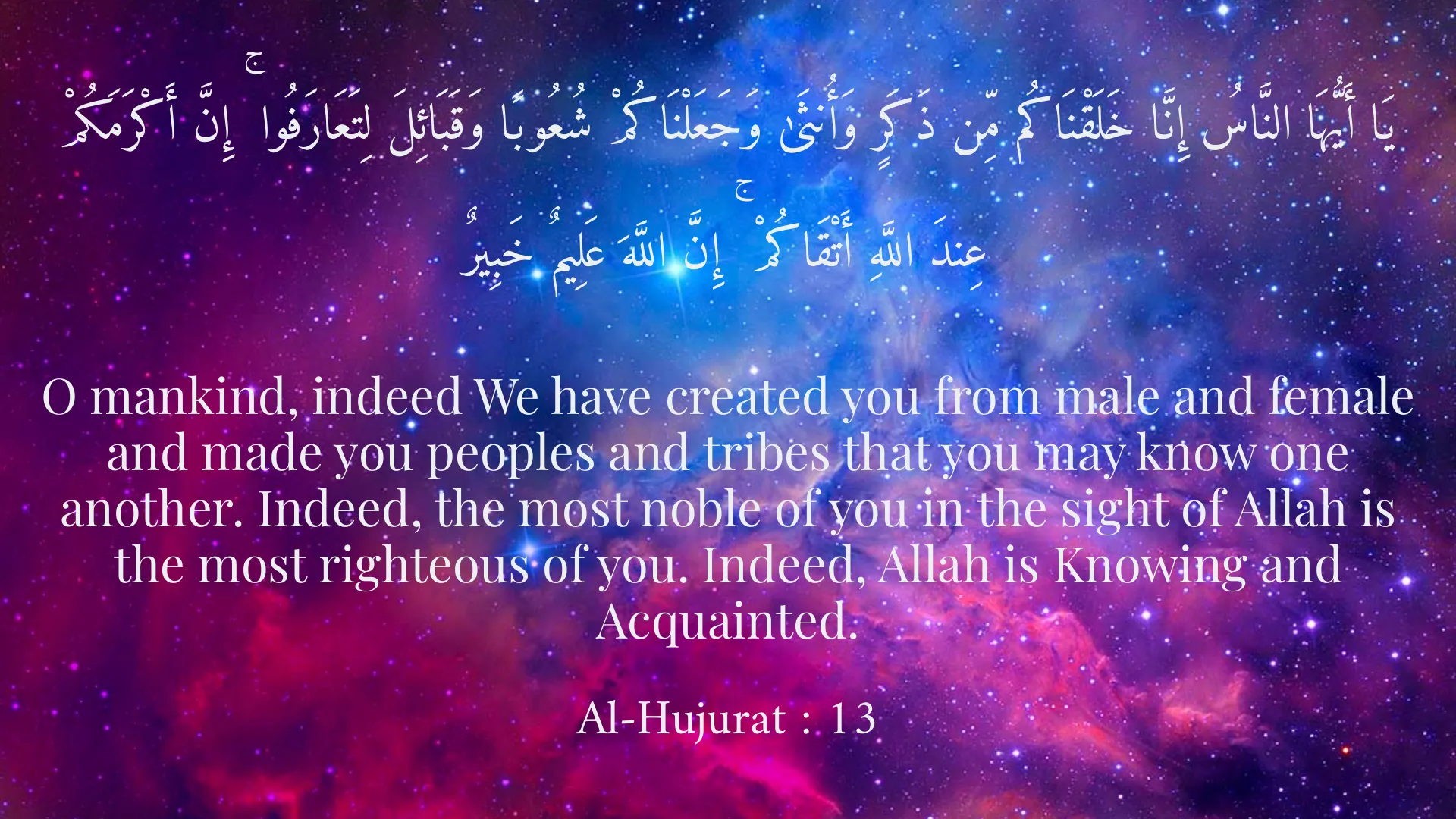
Spiritual growth is a profound and enriching journey that guides humanity towards perfection, inner peace, and a closer relationship with the Creator of the universe. This path is not merely achieved by dry, lifeless rituals and acts of worship; rather, it demands inner transformation, continuous self-improvement, and an unbreakable bond with divine teachings. The Holy Quran, as the roadmap to human felicity, provides fundamental principles and solutions for achieving this growth, each serving as a strong pillar supporting this lofty edifice. To better understand this concept and its influencing factors, one must examine several core axes from a Quranic perspective and elaborate on their various dimensions. Each of these factors complements the others, collectively guiding the individual towards transcendence and spiritual richness. The Quran's emphasis on spiritual growth underscores the vital importance of this dimension of human existence, as true felicity lies not in material successes but in refining the soul and attaining proximity to the Divine. Firstly, and perhaps most significantly, is "Taqwa," or God-consciousness and piety. Taqwa signifies a constant awareness of God’s presence and a vigilant guarding of oneself against anything that would incur His displeasure, whether in thoughts, words, or actions. This vigilance includes adhering to divine limits and abstaining from prohibitions. The Quran repeatedly emphasizes the importance of Taqwa, considering it the criterion for human superiority: "O mankind, indeed We have created you from male and female and made you peoples and tribes that you may know one another. Indeed, the most noble of you in the sight of Allah is the most righteous of you. Indeed, Allah is Knowing and Acquainted" (Al-Hujurat, 49:13). Taqwa acts as a protective shield for the heart and soul, keeping an individual away from sins and guiding them towards good deeds. A person endowed with Taqwa always strives to consider God's pleasure in all circumstances and does not transgress divine limits. This inner state brings unparalleled tranquility and assurance, enabling an individual to become more resilient against worldly temptations and pressures, safeguarding them from moral deviations. The deeper and more stable one's Taqwa, the more fertile the ground for their spiritual growth will become, and their heart will become receptive to divine light. The second factor is "Dhikr," the constant remembrance of God. Dhikr is not merely the repetition of specific words, but rather a profound state of presence of heart and continuous attention to God’s greatness, power, and mercy in all aspects of life. The Quran states: "Those who have believed and whose hearts are assured by the remembrance of Allah. Unquestionably, by the remembrance of Allah hearts are assured" (Ar-Ra'd, 13:28). The remembrance of God calms hearts and dispels anxiety and apprehension. When an individual perceives God as overseeing their actions at every moment and utters His name, their conduct and speech are instinctively refined, leading them towards virtues. Studying and pondering the verses of the Quran is also an inseparable part of Dhikr. The Quran is the word of God, and reflecting upon its profound meanings opens new doors of gnosis (ma'rifa) to humankind. This contemplation not only expands one's knowledge but also illuminates their heart and guides them towards the truths of existence, enhancing their insight into the path of life. Every verse is like a direct message from the Lord that nourishes the soul and gives it wings to soar. Recitation with humility and comprehension of meanings deepens the connection with the Creator and strengthens the seeds of faith within the heart, enabling the individual to face challenges with a different perspective. The third factor is performing "Ibadah" (acts of worship) with sincerity and excellence. Prayer (Salat) is the pillar of religion and the ascension of the believer. Establishing prayer with attentiveness and presence of heart deters one from immorality and wrongdoing and guides them towards good: "Indeed, prayer prohibits immorality and wrongdoing" (Al-Ankabut, 29:45). Prayer is not merely physical movements; it is a direct dialogue with the Lord that refines the soul and purifies it from impurities. Fasting (Sawm) is an exercise in self-restraint and willpower that reminds individuals of the needy and awakens compassion within them; it also significantly aids in controlling the ego and desires. Zakat and Sadaqah (charity), in addition to purifying wealth, strengthen the spirit of generosity and forgiveness in an individual, keeping them away from stinginess and selfishness, and increasing their sense of social responsibility. Each of these acts of worship, in its own way, serves as a step towards spiritual ascent. By performing them correctly and with inner devotion, one gradually distances themselves from the material world and draws closer to the angelic realm. The importance of these acts lies not only in their outward form but also in the inner effects and spiritual transformations they bring about. An individual who regularly and sincerely engages in these acts of worship experiences a greater sense of lightness and peace in their life and remains steadfast on the divine path, constantly seeking to improve the quality of their worship. The fourth axis is "good character" (Akhlaq) and self-purification (Tazkiyah al-Nafs). Spiritual growth is impossible without the purification of the soul and adornment with virtuous morals. Patience in the face of adversity, gratitude for blessings, humility, honesty, justice, and abstinence from envy, arrogance, falsehood, and backbiting are all fundamental principles emphasized by the Quran. These virtues not only improve one's social relations but also cleanse the heart from impurities. Allah Almighty states in the Quran: "He has succeeded who purifies it, and he has failed who corrupts it" (Ash-Shams, 91:9-10). These verses explicitly state that salvation and success belong to those who purify their souls, and whoever defiles it with sin is lost. Self-purification means struggling against the commanding self (Nafs al-Ammara) and disciplining it. This struggle is called the "Greater Jihad" (Jihad al-Akbar) and is referred to in Islamic traditions as the greatest struggle. In this path, an individual must constantly hold themselves accountable, acknowledge their mistakes, repent, and strive to rectify them. The more successful one is in correcting their inner attributes and controlling anger, lust, arrogance, and stinginess, the more purified their soul becomes and the closer they get to their true essence. This spiritual journey requires constant vigilance and relentless effort. Acknowledging mistakes and returning to God (Tawbah) is also an inseparable part of this process. True repentance not only washes away sins but also purifies the heart and gives an individual another chance to embark on a new and better path. This enables the individual to step forward with greater insight and awareness, having learned lessons from the past, and to avoid repeating errors. Finally, "serving creation" and showing benevolence to others also play a significant role in spiritual growth. The Prophet Muhammad (PBUH) said: "The best among you is the one who is most beneficial to people." The Quran also repeatedly emphasizes kindness to parents, relatives, orphans, the needy, and people in general. When an individual extends a helping hand to those in need and, through their benevolent actions, alleviates the burdens of others, divine light shines in their heart, and they feel closer to God. Such acts not only bring rewards in the afterlife but also lead to inner peace and satisfaction in this world, which is itself an inseparable component of spiritual growth. Generosity and altruism free the soul from the bondage of selfishness and materialism, guiding it towards perfection and felicity, and granting an individual a deeper understanding of their connection to society and the purpose of creation. In summary, spiritual growth is a comprehensive and multifaceted process that begins with Taqwa, deepens through Dhikr and contemplation of the Quran, is strengthened by proper acts of worship, reaches perfection through self-purification and moral refinement, and culminates in serving creation. This journey requires perseverance, sincerity, and reliance on God (Tawakkul) so that an individual can attain their true essence and experience genuine peace in closeness to the Origin of existence and approach the noble purpose of their creation.
Related Verses
يَا أَيُّهَا النَّاسُ إِنَّا خَلَقْنَاكُم مِّن ذَكَرٍ وَأُنثَىٰ وَجَعَلْنَاكُمْ شُعُوبًا وَقَبَائِلَ لِتَعَارَفُوا ۚ إِنَّ أَكْرَمَكُمْ عِندَ اللَّهِ أَتْقَاكُمْ ۚ إِنَّ اللَّهَ عَلِيمٌ خَبِيرٌ
O mankind, indeed We have created you from male and female and made you peoples and tribes that you may know one another. Indeed, the most noble of you in the sight of Allah is the most righteous of you. Indeed, Allah is Knowing and Acquainted.
Al-Hujurat : 13
الَّذِينَ آمَنُوا وَتَطْمَئِنُّ قُلُوبُهُم بِذِكْرِ اللَّهِ ۗ أَلَا بِذِكْرِ اللَّهِ تَطْمَئِنُّ الْقُلُوبُ
Those who have believed and whose hearts are assured by the remembrance of Allah. Unquestionably, by the remembrance of Allah hearts are assured.
Ar-Ra'd : 28
اتْلُ مَا أُوحِيَ إِلَيْكَ مِنَ الْكِتَابِ وَأَقِمِ الصَّلَاةَ ۖ إِنَّ الصَّلَاةَ تَنْهَىٰ عَنِ الْفَحْشَاءِ وَالْمُنكَرِ ۗ وَلَذِكْرُ اللَّهِ أَكْبَرُ ۗ وَاللَّهُ يَعْلَمُ مَا تَصْنَعُونَ
Recite what has been revealed to you of the Book and establish prayer. Indeed, prayer prohibits immorality and wrongdoing. And the remembrance of Allah is greater. And Allah knows that which you do.
Al-Ankabut : 45
قَدْ أَفْلَحَ مَن زَكَّاهَا
He has succeeded who purifies it,
Ash-Shams : 9
وَقَدْ خَابَ مَن دَسَّاهَا
and he has failed who corrupts it.
Ash-Shams : 10
Short Story
It is said that in ancient times, a pure-hearted and ascetic dervish lived in a corner of the world. Instead of attaching his heart to worldly gold and adornments, he was always in search of true peace and proximity to God. People thought that because he was poor, he had no choice but to live ascetically. But the dervish, with a calm smile, would say: "This is my true wealth. I have found a treasure within myself that no king possesses." One day, a noble of the city asked him: "O dervish, what do you feed upon that you are so calm and full of light?" The dervish replied: "I nourish my soul with the remembrance of God, purity of heart, and service to creation. These are what bring me closer to the Lord and satiate my being." This tale from Sa'di illustrates that spiritual growth is not found in accumulating material possessions, but in the richness of the soul and its profound connection with the Beloved.