Quranic Answer
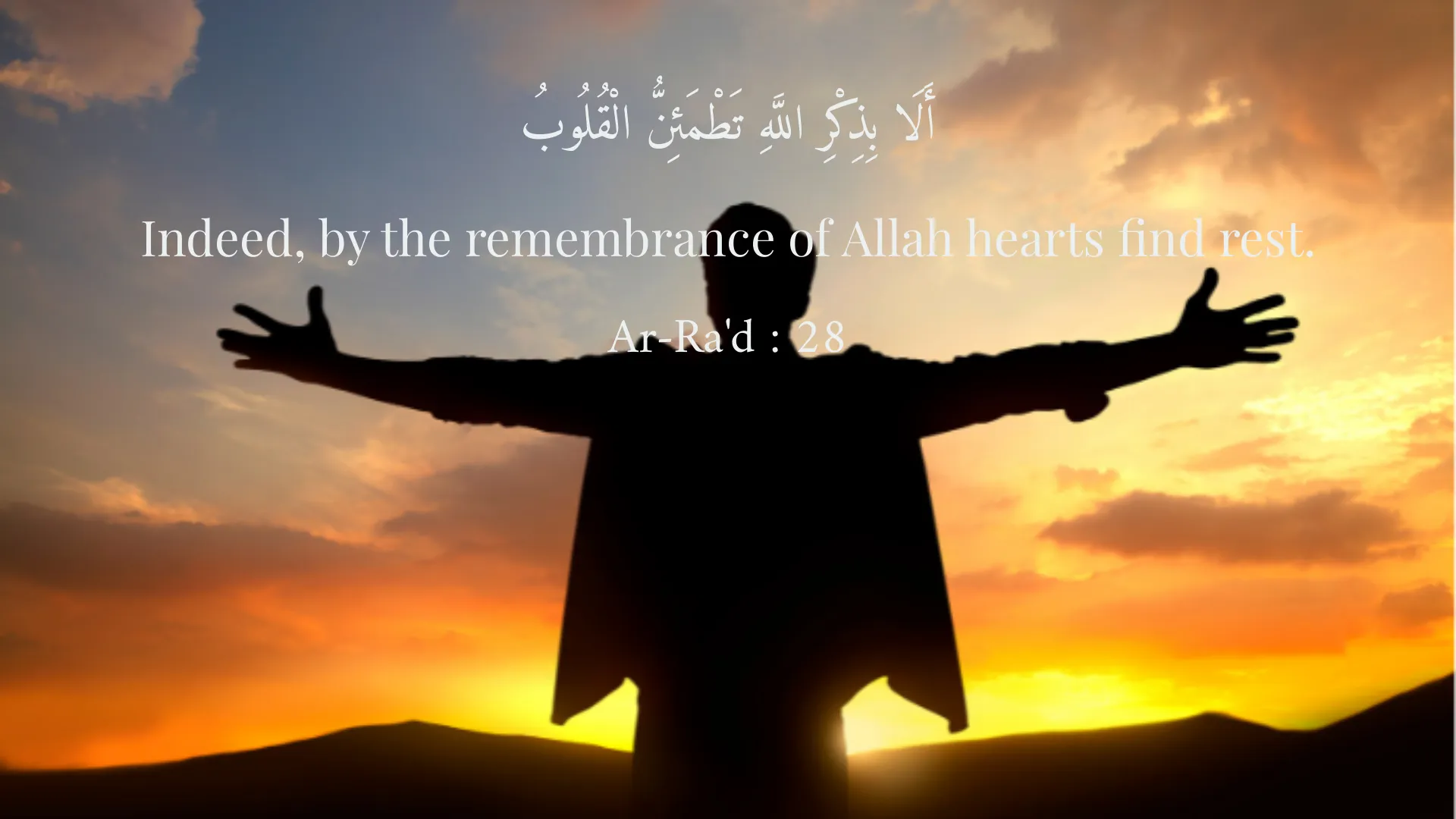
The Holy Quran, regarded as the final divine revelation to humanity, provides profound insights into the nature of the human heart and the spiritual ramifications of neglecting the remembrance of Allah. It emphasizes that a person's heart can become enshrouded in darkness due to various factors, primarily the distance from divine remembrance. This article delves into the significance of remembering Allah (SWT) and how neglect can lead to spiritual desolation. One of the most enlightening verses regarding the heart's condition is found in Surah Ar-Ra'd, verse 28, where Allah proclaims: "Indeed, by the remembrance of Allah hearts find rest." This verse succinctly illustrates the pivotal role of divine remembrance in achieving inner peace and tranquility. Just as the body requires sustenance, the heart needs spiritual nourishment to thrive. The divine remembrance serves as a spiritual balm that soothes the soul, alleviating anxiety and promoting a sense of serenity. Conversely, the neglect of this remembrance can have dire consequences. When an individual becomes heedless of God's presence, their heart descends into darkness, giving rise to a myriad of sins and errors. This negligence breeds discontentment and turmoil within, essentially disconnecting the individual from their Creator. It fosters an environment where temptations and negative inclinations flourish, leading the heart into a deeper abyss of spiritual malaise. The Quran further emphasizes this point in Surah Al-Baqarah, verse 10. Allah articulates: "In their hearts is a disease; so Allah has increased their disease." This verse illustrates the notion of spiritual illness, where the heart becomes tainted by sins and the consequent distancing from Allah. It establishes a link between sinful behavior and spiritual affliction, indicating that while one may indulge in wrongdoing, they simultaneously exacerbate their own spiritual condition. This 'disease' is particularly alarming as it signifies a deterioration of the heart, often leading to despair and loss of direction in life. In contrast to the hearts that suffer from neglect, Surah Az-Zummar, verse 22 proclaims: "So is one whose heart Allah has opened to Islam, so he is upon a light from his Lord." This verse encapsulates the beauty of faith and the transformative power of divine guidance. A heart illuminated by faith exudes vibrancy and clarity, reflecting a profound connection with Allah. The heart that embraces Islam is enveloped in righteousness, drawing strength and luminosity from divine light. It portrays a clear dichotomy; a heart away from Allah is draped in darkness, whereas one close to Him experiences illumination and guidance. The analogy of rust serves as a metaphor for the heart when one engages in sins. Just as metal tarnishes over time when exposed to neglect and decay, the heart similarly becomes rusted and darkened through erroneous actions and spiritual negligence. The accumulation of sins acts as a veil, obscuring the heart's ability to recognize truth and discern right from wrong. This spiritual blindness not only affects the individual's relationship with Allah but also impacts their interactions with the world around them. The sense of loneliness and isolation frequently associated with such darkness and heedlessness is a direct consequence of turning away from prayer, the Quran, and God’s remembrance. To counteract the darkness of the heart, the Quran offers guidance on how to remain steadfast in remembrance and avoid sin. Constant engagement in prayer, regular recitation of the Quran, and sincere supplications are vital practices that nurture the soul. Regular moments of reflection upon Allah's signs within creation and within oneself can also foster a deeper appreciation for divine mercy, leading to intensified remembrance. Furthermore, maintaining strong companionship with individuals who are God-conscious can act as a catalyst for spiritual growth. Surrounding oneself with those who encourage the remembrance of Allah provides support and inspiration, creating an uplifting environment conducive to spiritual elevation. Additionally, sincere repentance is essential for rejuvenating the heart. Turning towards Allah with steadfast humility for forgiveness cleanses the heart of previous sins and rejuvenates the spiritual connection. As one seeks to rectify their mistakes and strive earnestly towards righteousness, the heart gradually sheds its darkness, regaining its innate luminosity. In observing the intricate relationship between the heart's condition and the remembrance of Allah, believers are urged to cultivate a proactive approach in their spiritual lives. It is not merely enough to recognize the significance of divine remembrance; one must integrate it into daily existence. Proverbs from the Quran and the teachings of the Prophet Muhammad (PBUH) constantly highlight the manifold benefits of maintaining a remembrance-driven life. Moreover, it is crucial to note that the darkness of the heart encourages harmful behaviors, which often lead to interpersonal discord and detracts from the harmony of community. A heart filled with light, conversely, embodies compassion, kindness, and a sense of responsibility towards others. In conclusion, the condition of the human heart as described in the Holy Quran elucidates a profound spiritual truth—a heart must be constantly nourished with the remembrance of Allah to shine brightly. The distractions and temptations of the world can easily engulf a person, leading to an absence of divine remembrance and, consequently, spiritual darkness. By consciously engaging in remembrance, invoking God, performing prayers, and seeking His forgiveness, individuals can illuminate their hearts and transform their lives. The journey towards spiritual enlightenment is perpetual, requiring commitment, awareness, and a sincere desire for closeness to Allah. Thus, it is incumbent upon each believer to make earnest efforts to keep their hearts radiant with the remembrance of the Almighty, ensuring they remain a source of light, guidance, and tranquility in both this world and the Hereafter.
Related Verses
أَلَا بِذِكْرِ اللَّهِ تَطْمَئِنُّ الْقُلُوبُ
Indeed, by the remembrance of Allah hearts find rest.
Ar-Ra'd : 28
فِي قُلُوبِهِم مَّرَضٌ فَزَادَهُمُ اللَّهُ مَرَضًا
In their hearts is a disease; so Allah has increased their disease.
Al-Baqarah : 10
أَفَمَن شَرَحَ اللَّهُ صَدْرَهُ لِلْإِسلامِ فَهُوَ عَلَى نُورٍ مِّن رَّبِّهِ
So is one whose heart Allah has opened to Islam, so he is upon a light from his Lord.
Az-Zummar : 22
Short Story
One day, Ali decided to read the Quran. He realized that when he engaged in the remembrance of God, he felt peaceful and his tasks became easier. As a result, he dedicated a portion of each day to remembering Allah and noticed that his heart became brighter and clearer with each passing day. After a while, Ali found that darkness and sadness had faded from his life, replaced by the light of faith and God's love in his heart.