Quranic Answer
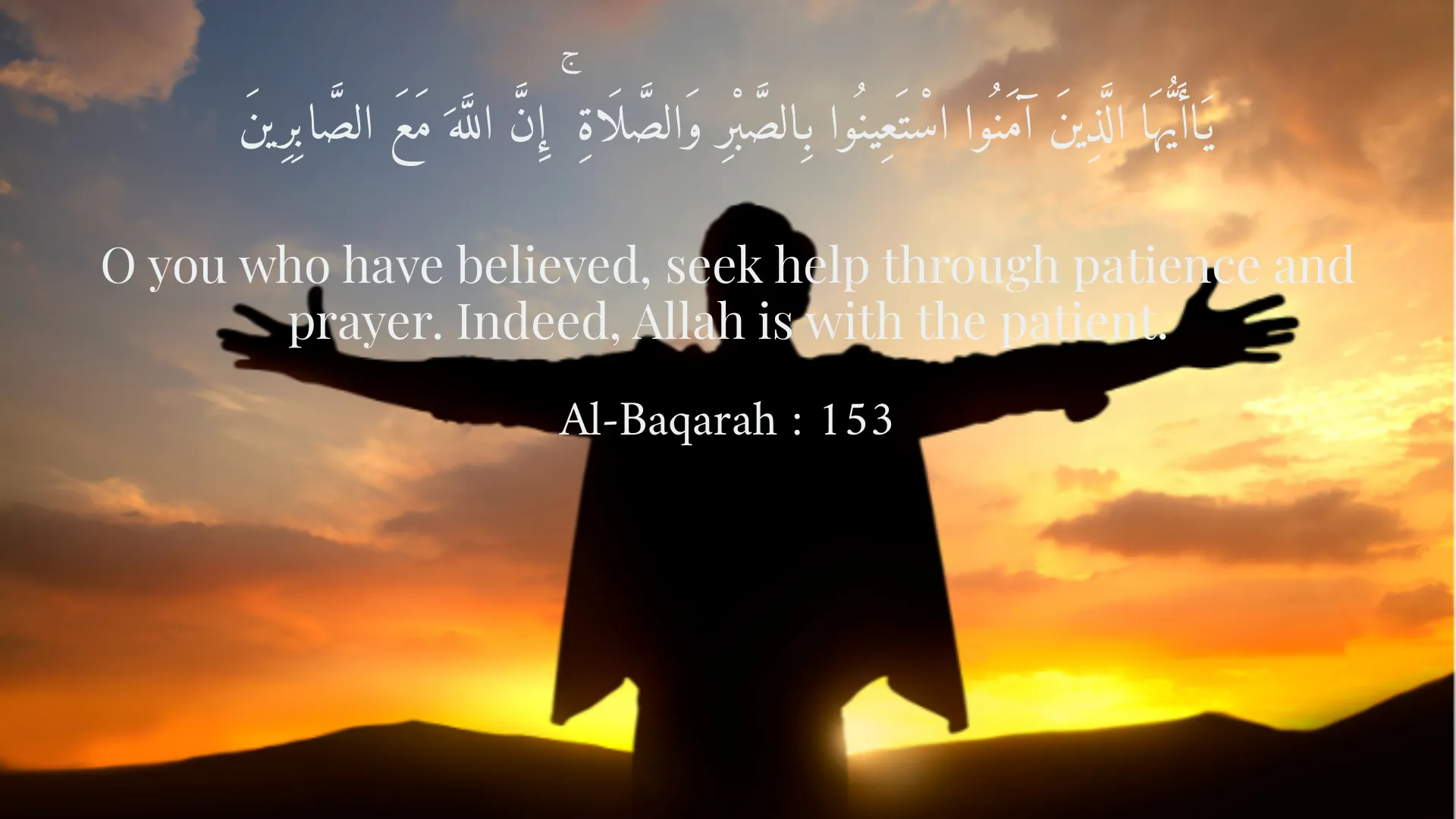
Patience is a cornerstone virtue in the Islamic faith, deeply embedded in the teachings of the Holy Quran. The significance of patience, known as 'Sabr' in Arabic, extends beyond mere tolerance; it encompasses resilience, perseverance, and steadfastness in the face of life's numerous adversities and challenges. For believers, such attributes are crucial as they navigate through the complexities of daily life, particularly amid trials that test their resolve and faith. Throughout the Holy Quran, Allah frequently highlights patience as an essential characteristic of successful believers. The concept is not only portrayed as a passive waiting but emphasizes active endurance and courage in confronting difficulties. In Surah Al-Baqarah, verse 153, Allah advises the believers: 'O you who have believed, seek help through patience and prayer. Indeed, Allah is with the patient.' This verse underlines the importance of turning to Allah for support through the dual channels of prayer and patience, thus fostering a stronger connection between faith and resilience. When facing life's tribulations, believers are reminded that patience is not merely a virtue but a practical response that can help navigate challenging circumstances. The relationship between faith and patience becomes increasingly clear when one considers the recurring encouragement to remain steadfast during trials. Surah Al-Imran, verse 200, states, 'O you who have believed, persevere and endure and remain stationed and fear Allah that you may be successful.' This verse serves as a rallying cry for believers to remain united in their perseverance, multilayered in its guidance as it promotes not only individual resilience but also a collective spirit among the community in the face of hardships. Moreover, patience is not solely a response to external adversities but extends to the internal struggles against temptations and sinful acts. In Surah Fussilat, verse 35, Allah mentions that 'And no one is granted such favor except those who are patient.' This passage implies that those who maintain their composure and integrity, even when tempted by evil inclinations or the seductions of worldly life, will be rewarded by divine blessings and protection. The lesson here emphasizes that patience has a twofold role: it aids in enduring hardship while also offering safeguards against moral failings. The cultivation of patience in daily life also contributes significantly to spiritual growth. It shapes a believer’s personality, fostering qualities such as humility, gratitude, and empathy towards others’ struggles. In essence, patience helps create a balanced individual who can approach life’s challenges with a calm mind and an open heart. The mindfulness that comes from practicing patience allows believers not to succumb to despair, but rather to seek the lessons embedded in their struggles. Patience thus serves as a powerful tool in forging resilience. It teaches individuals to endure hardship while remaining hopeful for better days ahead. The Quran reassures believers that trials are a part of life but insists that with every hardship comes ease, as stated in Surah Al-Inshirah, verse 5: 'For indeed, with hardship comes ease.' This statement not only provides solace but also acts as a reminder for believers to trust in the wisdom and mercy of Allah, reinforcing the idea that patience must be accompanied by hopeful anticipation of relief and improvement. In the modern context, practicing patience can seem increasingly challenging amid the fast-paced nature of contemporary life—characterized by instant gratification and fleeting moments of pleasure. Calls for quick resolutions and immediate relief often overshadow the value of perseverance and steadfastness instilled by patience. However, integrating patience into daily routines creates a counterbalance that fosters mental resilience. It encourages mindful living, where individuals savor moments, reflect on experiences, and cultivate a deeper understanding of their trials. Furthermore, studies in modern psychology emphasize the importance of patience in emotional well-being, linking it to better stress management and decision-making. This acknowledgment of patience's psychological benefits aligns with Quranic teachings, affirming that what is spiritually emphasized also resonates with scientific principles that champion the virtues of resilience. When individuals practice patience, they not only align with their faith but also benefit emotionally and mentally, leading to a more harmonious lifestyle. The nurturing of patience within believers, as demonstrated through the Quran, attests to a profound aspect of character development. It is essential for building strong bonds within communities. When faced with difficulties as a society, patience allows individuals to remain supportive of one another, fostering unity and collective strength. This sense of belonging enhances interpersonal relationships and sustains communal harmony as they jointly face challenges. In conclusion, patience, as depicted in the Holy Quran, is a multi-dimensional virtue that transcends mere tolerance; it embodies resilience, moral integrity, and inner peace. Upholding the tenets of patience in daily life not only uplifts the individual but also fortifies relationships within families and communities. The Quran emphasizes patience in various contexts, demonstrating its importance as believers navigate life's trials and tribulations. Ultimately, cultivating a habit of patience enriches one’s spiritual journey and reflects genuine faith in Allah’s wisdom and timing. Therefore, as believers endeavor to embrace patience, they not only fortify themselves against adversity but also embody a critical trait that aligns with the essence of their faith, promoting a life characterized by peace, strength, and unwavering resolve.
Related Verses
يَاأَيُّهَا الَّذِينَ آمَنُوا اسْتَعِينُوا بِالصَّبْرِ وَالصَّلَاةِ ۚ إِنَّ اللَّهَ مَعَ الصَّابِرِينَ
O you who have believed, seek help through patience and prayer. Indeed, Allah is with the patient.
Al-Baqarah : 153
يَا أَيُّهَا الَّذِينَ آمَنُوا اصْبِرُوا وَصَابِرُوا وَرَابِطُوا وَاتَّقُوا اللَّهَ لَعَلَّكُمْ تُفْلِحُونَ
O you who have believed, persevere and endure and remain stationed and fear Allah that you may be successful.
Al-Imran : 200
وَمَا يُلَقَّاهَا إِلَّا الَّذِينَ صَبَرُوا وَمَا يُلَقَّاهَا إِلَّا ذُو حَظٍّ عَظِيمٍ
And it is not granted except to those who are patient, and it is not granted except to the one having a great portion.
Fussilat : 35
Short Story
Once upon a time, there was a man named Ali living in a village. He always faced problems and hardships in his life. However, Ali looked at these troubles with patience and perseverance. He was familiar with the verses of the Quran and firmly believed that Allah would reward him for his patience. One day, a thought occurred to him that brought him peace; he decided to teach the others in the village how they too could overcome challenges with patience. Ali shared his experiences and taught them that patience is an asset no one can take away from them. Thus, Ali became a symbol of patience and resilience in the hearts of the people.