Quranic Answer
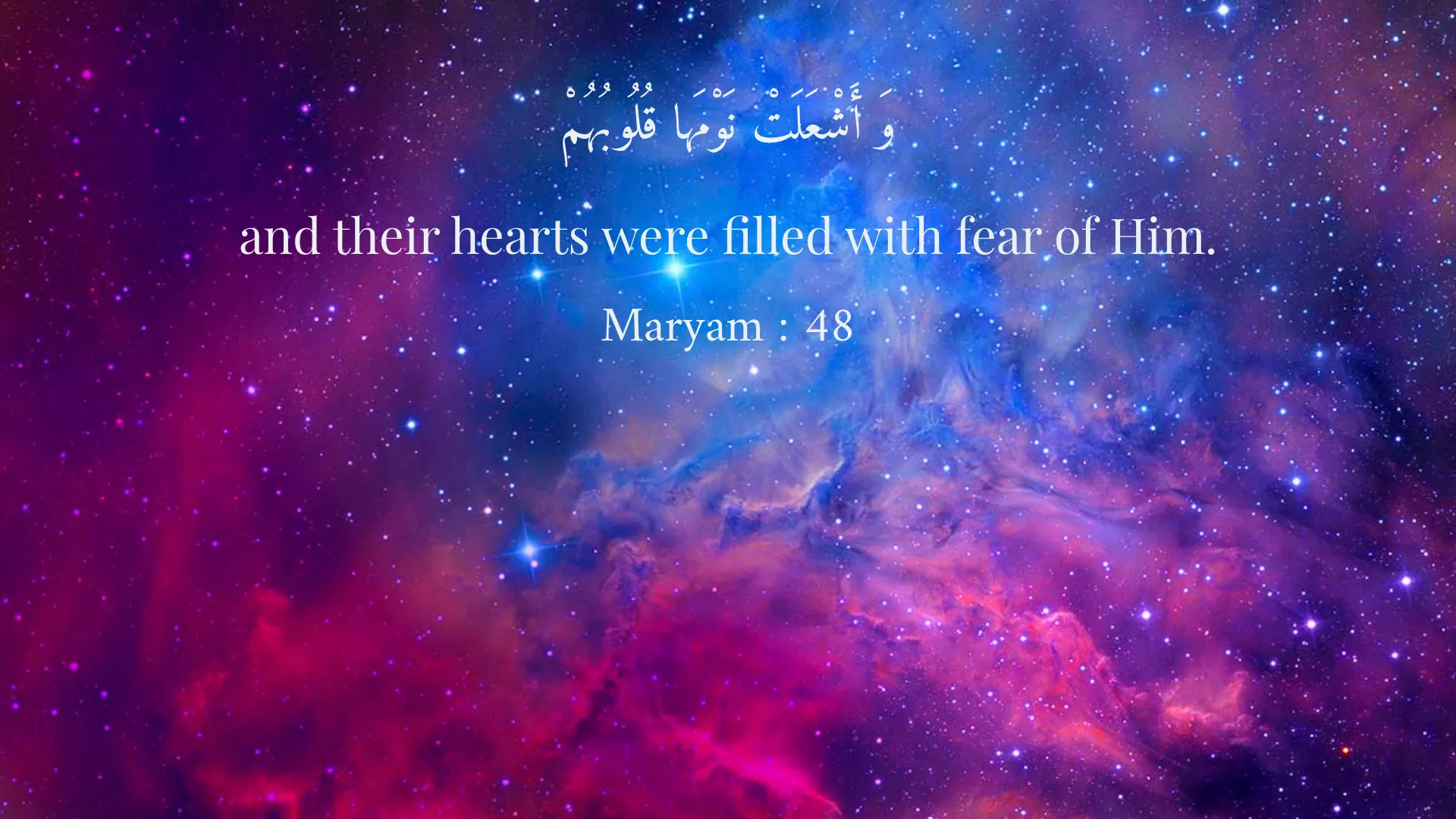
In the Holy Quran, the concepts of fear of God and despair represent two distinct states, each exerting its own profound influence on human life. These two emotional responses are not merely abstract ideas; they are deeply rooted realities that shape the moral and spiritual journey of every believer. The juxtaposition of these states underscores the complexity of human experience and the divine guidance provided by the Quran. Fear of God, or Taqwa, denotes a deep sense of reverence and concern for divine punishment and disobedience towards the Creator. This emotion is not one of paralyzing terror but rather a healthy acknowledgment of God’s authority and the consequences of one's actions. It serves as a guiding force that steers humanity towards righteousness and moral integrity. The Quran elaborates on this concept in various verses, utilizing fear as a motivator towards good deeds and spiritual elevation. For instance, in Surah Maryam, verse 48, it is stated, "and their hearts were filled with consciousness of Him." This observation underscores that the initial phase of fearing God is not merely an emotional reaction; it encapsulates an awareness of God's omnipresence and an understanding that all actions are observed amid the vast universe. Fear of God functions more than just as a deterrent against sinful behavior; it actively encourages individuals to seek out the path of obedience and righteousness. This perspective aligns with the broader teachings of the Quran regarding accountability and the moral responsibilities bestowed upon humanity. Having a conscious fear of God provides a moral compass that guides believers in their daily lives, helping them navigate complex ethical dilemmas with integrity and fortitude. Conversely, despair embodies the complete opposite of fear and reverence for God. It signifies a loss of hope in God's mercy and forgiveness, one of the gravest spiritual states a believer can find themselves in. When individuals succumb to despair, they often detach themselves from the divine and the community of believers, spiraling into isolation and inaction. This condition is poignantly addressed in the Quran, which consistently invites humanity to embrace hope and seek divine mercy. In Surah Az-Zumar, verse 53, for instance, it is conveyed, "O My servants who have believed! Fear your Lord. For those who do good in this world is good; and the earth of Allah is spacious. Indeed, the patient will be given their reward without account." This passage emphasizes that fear of God should be channeled into positive action, reinforcing the significance of hope as a sustaining force in a believer’s life. The distinction between fear of God and despair is profoundly consequential. Fear of God is a catalyst for growth, inspiring repentance and a continual striving for moral and spiritual betterment. It invites individuals not only to recognize their flaws but to actively work towards reforming their lives in alignment with divine expectations. In this way, fear transforms into a nurturing relationship with God, where individuals realize benevolent potential and engage in constructive actions. On the other hand, despair signifies a lack of faith in God's inherent mercy and compassion. Such despair can lead to a total withdrawal from the path of righteousness, leaving individuals with feelings of guilt and hopelessness. In the context of the Quran, despair is an illusion that can cloud the heart and mind of believers, leading them to feel unworthy of divine kindness. It is crucial to note that the Quran advises against this mindset, gently reminding believers that mercy is always within reach for those who desire to return to the right path. The Quran's message is clear: one's misdeeds should not lead to hopelessness; rather, one should strive to improve and seek forgiveness sincerely. The fear of divine punishment serves not just as a warning but as a reminder to embrace personal responsibility for one's deeds. It offers believers the necessary impetus to acknowledge their shortcomings and instills a fervent desire to mend their actions. This harmonizes with the broader Quranic narrative that underscores God's attributes of mercy, forgiveness, and compassion. Thus, fear, when understood and internalized correctly, does not exist in isolation; it complements hope and love for God. Moreover, the dialogue between fear and hope is pivotal to the spiritual health of an individual. The Quran illustrates a balanced approach where both fear of God and hope in His mercy coexist harmoniously. This equilibrium not only enriches an individual's spiritual practice but also fosters a deeper and more profound relationship with the Creator. It pushes believers to engage with their faith actively, encouraging them to cultivate virtues while seeking refuge in God's unmatched kindness. In conclusion, the concepts of fear of God and despair in the Quran serve as instrumental forces in shaping the lives of believers. While fear is a healthy recognition of God’s power and a motivator towards righteousness, despair represents a spiritual ailment that severs the bond between the believer and divine mercy. The Quran invites believers to embrace fear as a transformative experience that leads to self-improvement, repentance, and a renewed commitment to living a life aligned with God's will. It consistently reiterates the importance of maintaining hope, emphasizing that God's mercy transcends human limitations. In this light, believers are called to navigate the spectrum of these emotions thoughtfully, using fear as a pathway to redemption rather than succumbing to the paralyzing grip of despair.
Related Verses
وَ أَشْعَلَتْ نَوْمَها قُلُوبُهُمْ
and their hearts were filled with fear of Him.
Maryam : 48
يَا عِبَادِيَ الَّذِينَ آمَنُوا اتَّقُوا رَبَّكُمْ
O My servants who have believed! Fear your Lord.
Az-Zumar : 53
Short Story
One day, a monk harbored both fear and hope within his heart. He constantly feared committing sins and distancing himself from God's mercy. However, reflecting on the verses of the Quran, he learned that this fear should guide him towards betterment. Gradually, he overcame his fears and became hopeful of God's mercy, knowing that He is ever-living and forgiving.