Quranic Answer
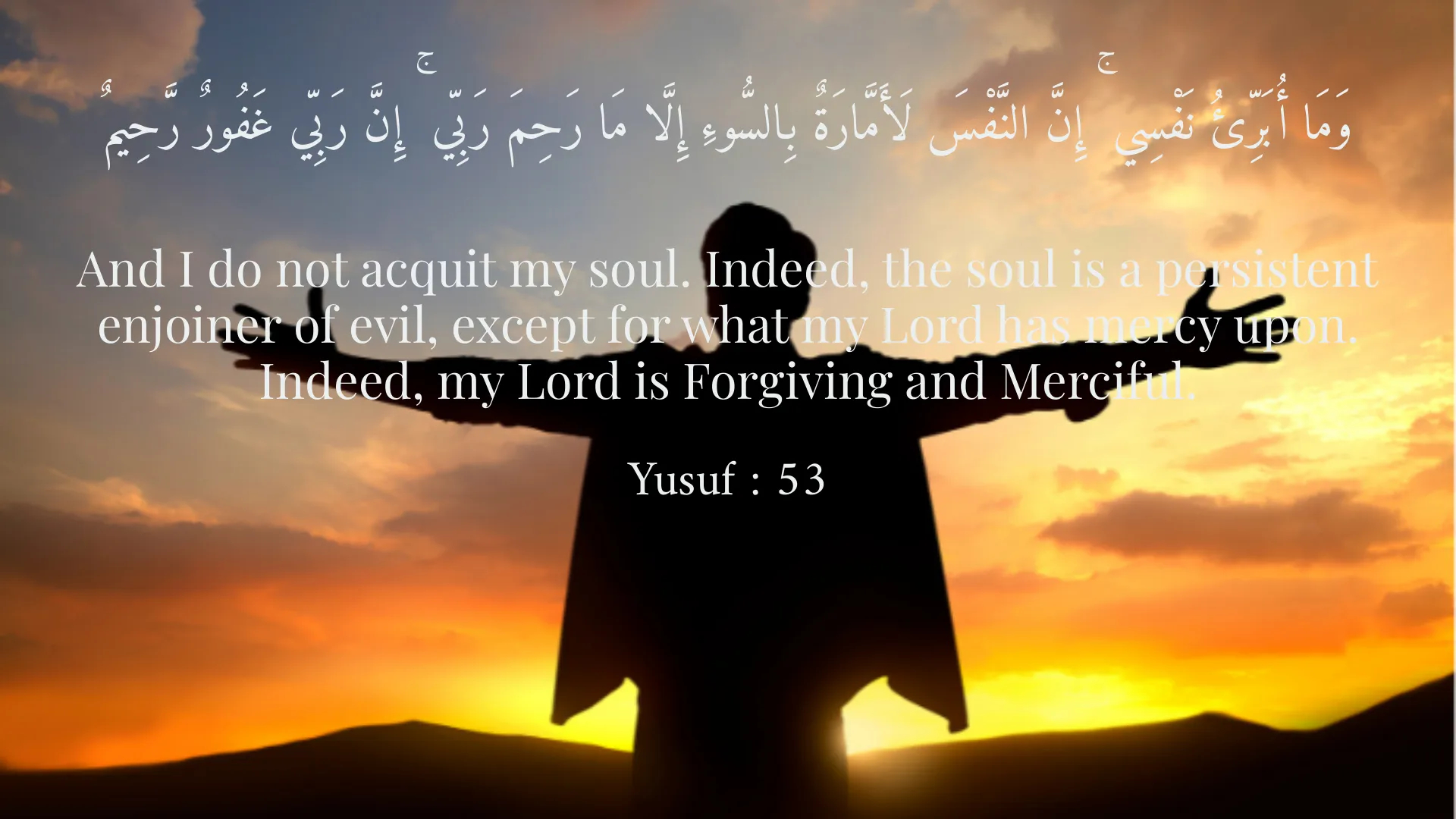
In the Holy Quran, the concepts of "Nafs" (self/soul/ego), "Ruh" (spirit), and "Qalb" (heart) delve into fundamental dimensions of human existence and various aspects of their spiritual and psychological life. Although these three terms are sometimes used interchangeably in everyday language, in the Quranic discourse, each possesses a distinct meaning, specific function, and unique significance. Understanding these differences is crucial for a deeper comprehension of Islamic teachings and the path of human spiritual development. In this examination, we will elaborate on each of these concepts and their distinctions, based on Quranic verses. Nafs (The Self/Ego): Nafs, in the Quran, refers to the "self" or "soul" and often points to the individual and psychological aspects of a human being, encompassing their desires, instincts, emotions, and personal characteristics. The nafs is the primary battlefield between the divine and animalistic inclinations within a person. The Quran describes the nafs in three main states, representing stages of human spiritual evolution: 1. An-Nafs al-Ammara bi's-Su' (The Soul Inclined to Evil): This is the lowest state of the nafs, which impels humans towards sins, desires, and worldly cravings. This nafs has a strong tendency to follow fleeting pleasures and satanic deceptions, and if left unchecked, it can lead to perdition. In Surah Yusuf, verse 53, it is quoted from Prophet Joseph (peace be upon him): "وَمَا أُبَرِّئُ نَفْسِي ۚ إِنَّ النَّفْسَ لَأَمَّارَةٌ بِالسُّوءِ إِلَّا مَا رَحِمَ رَبِّي ۚ إِنَّ رَبِّي غَفُورٌ رَّحِيمٌ" (And I do not acquit my soul. Indeed, the soul is a persistent enjoiner of evil, except for what my Lord has mercy upon. Indeed, my Lord is Forgiving and Merciful). This verse clearly indicates that the nafs naturally inclines towards evil, and divine mercy and assistance are needed to control it. In this stage, individuals are often dominated by their animalistic urges and lack sufficient willpower and awareness to resist temptations. This nafs is the source of many human errors and slips, and understanding and controlling it is considered the first step on the path of self-purification. 2. An-Nafs al-Lawwama (The Self-Reproaching Soul): This level is higher than the Nafs al-Ammara. In this state, the nafs blames itself after committing a sin or mistake, feeling regret. This inner self-reproach is a sign of awakening conscience and the beginning of the path of self-purification. In Surah Al-Qiyamah, verse 2, Allah swears by this nafs: "وَلَا أُقْسِمُ بِالنَّفْسِ اللَّوَّامَةِ" (And I swear by the self-reproaching soul). This oath signifies the importance and status of this stage of the nafs in human development. The Nafs al-Lawwama is the boundary between misguidance and guidance; at this stage, humans are not entirely surrendered to sin but are engaged in an internal struggle, which provides the groundwork for moving towards perfection. This nafs is the driving force behind repentance, seeking forgiveness, and returning to God. This remorse and inner self-criticism are signs of spiritual vitality and dissatisfaction with sin. 3. An-Nafs al-Mutma'inna (The Tranquil Soul): This is the highest and most desirable state of the nafs, where a person achieves inner peace, certainty, and assurance in faith. This nafs is freed from internal struggles and anxieties and has attained divine satisfaction. In Surah Al-Fajr, verses 27-30, this nafs is addressed: "يَا أَيَّتُهَا النَّفْسُ الْمُطْمَئِنَّةُ ارْجِعِي إِلَى رَبِّكِ رَاضِيَةً مَّرْضِيَّةً فَادْخُلِي فِي عِبَادِي وَادْخُلِي جَنَّتِي" (O tranquil soul, return to your Lord, well-pleased and pleasing [to Him], and enter among My [righteous] servants and enter My Paradise). These verses represent the pinnacle of spiritual journey, where the nafs is in complete peace and contentment with Allah. Attaining the Nafs al-Mutma'inna is the result of years of struggle, self-purification, obedience to divine commands, and abstinence from forbidden acts. This nafs has reached the stage of رضا (ridha - contentment) and submission and thinks of nothing but Allah's will and desire. In essence, the nafs is the existential dimension of a human being responsible for their actions and can, through purification and self-improvement, rise from the depths of animality to the heights of humanity and perfection. The Quran, in Surah Ash-Shams, verses 7 and 8, refers to the nafs and Allah's power in inspiring it with righteousness and wickedness: "وَنَفْسٍ وَمَا سَوَّاهَا ۚ فَأَلْهَمَهَا فُجُورَهَا وَتَقْوَاهَا" (And [by] the soul and [by] Him who proportioned it and inspired it [with discernment of] its wickedness and its righteousness). This verse indicates that the nafs has the capacity for both inclinations, and the choice of path rests with the human being. Ruh (The Spirit/Divine Breath): Ruh, in the Quran, is a more subtle and, in some respects, more mysterious concept. Unlike the nafs, which is associated with human psychological characteristics, the ruh is described as a "divine command" and a "breath from God" that gives life to the human body. The exact nature of the ruh is not clearly elaborated in the Quran and remains a divine secret. The most important verse in this regard is Surah Al-Isra, verse 85, which states: "وَيَسْأَلُونَكَ عَنِ الرُّوحِ ۖ قُلِ الرُّوحُ مِنْ أَمْرِ رَبِّي وَمَا أُوتِيتُم مِّنَ الْعِلْمِ إِلَّا قَلِيلًا" (And they ask you, [O Muhammad], about the soul. Say, "The soul is of the affair of my Lord. And you have not been given of knowledge except a little."). This verse explicitly states that human knowledge about the ruh is very limited and that the ruh belongs to the realm of 'Amr' (command, unseen world) which is beyond our material and sensory perceptions. The ruh is the vital force that imparts movement and consciousness to the body. This dimension of human existence is the source of life and is directly connected to the origin of being. When Allah created Adam, He "breathed into him from His spirit" (Surah As-Sajda, verse 9: "ثُمَّ سَوَّاهُ وَنَفَخَ فِيهِ مِن رُّوحِهِ وَجَعَلَ لَكُمُ السَّمْعَ وَالْأَبْصَارَ وَالْأَفْئِدَةَ ۚ قَلِيلًا مَّا تَشْكُرُونَ"). This expression signifies the nobility and sanctity of the ruh and its connection to the divine essence. The ruh is the element of human immortality that persists after the death of the physical body and returns to the Lord. This divine breath is the origin of the pure natural disposition (fitra) and the inclination towards perfection in humans. The ruh is inherently pure and free from any impurity; corruption and deviation originate from the nafs and qalb, not from the ruh. For this reason, the ruh always inclines towards God and ultimately returns to Him. The ruh is the origin of spiritual life and connection with revelation and the unseen world. Prophets and saints, due to the purity of their spirits, can establish communication with the sacred realm and receive truths. The ruh is the dimension that connects humanity to the highest heavens and is the source of intuition and unseen inspirations. Qalb (The Heart): The qalb, in the Quran, is not merely a physical organ for pumping blood, but rather the center of perception, understanding, faith, morality, and emotions within a human being. The qalb is the primary locus of knowledge and discernment and the place where divine revelation and inspirations descend. The Quran repeatedly refers to the role of the qalb in human guidance or misguidance. The qalb is the place for important decisions and the center of inner insight. Some functions of the qalb in the Quran: 1. Center of Intellect and Understanding: The qalb is the place of reflection and comprehension of realities. In Surah Al-Hajj, verse 46, we read: "أَفَلَمْ يَسِيرُوا فِي الْأَرْضِ فَتَكُونَ لَهُمْ قُلُوبٌ يَعْقِلُونَ بِهَا" (Have they not traveled through the land, so that they might have hearts with which to understand?). This verse indicates that outward sight and hearing are useless without heartfelt understanding. The qalb plays a fundamental role in deep comprehension, insight, and distinguishing truth from falsehood. This heartfelt understanding goes beyond dry rational logic and refers to intuitive and gnostic perceptions. 2. Center of Faith and Disbelief: Faith and disbelief initially form in the qalb. If the qalb is receptive to the light of guidance, faith settles within it; and if it is contaminated with disbelief and hypocrisy, it becomes sealed. In Surah Al-Baqarah, verse 7, it states: "خَتَمَ اللَّهُ عَلَىٰ قُلُوبِهِمْ وَعَلَىٰ سَمْعِهِمْ ۖ وَعَلَىٰ أَبْصَارِهِمْ غِشَاوَةٌ ۖ وَلَهُمْ عَذَابٌ عَظِيمٌ" (Allah has set a seal upon their hearts and upon their hearing, and over their vision is a veil. And for them is a great punishment.). This sealing is a result of a person's own wrong choices that blind their heart and prevent it from receiving truths. The qalb can be diseased, hardened, or rusted, all of which prevent it from perceiving divine light. 3. Center of Emotions and Feelings: Love, fear, humility, tranquility, assurance, and anxiety all reside in the qalb. In Surah Al-Anfal, verse 2, believers are described as those who, "إِنَّمَا الْمُؤْمِنُونَ الَّذِينَ إِذَا ذُكِرَ اللَّهُ وَجِلَتْ قُلُوبُهُمْ" (Indeed, the believers are those who, when Allah is mentioned, their hearts tremble). The qalb is the core of deep human emotions and the place where mercy and compassion emerge. 4. Importance of a Sound Heart (Qalb-e-Saleem): The Quran emphasizes the importance of a "Qalb-e-Saleem" (a pure and sound heart). In Surah Ash-Shu'ara, verses 88 and 89, on the Day of Judgment, only one who comes "إِلَّا مَنْ أَتَى اللَّهَ بِقَلْبٍ سَلِيمٍ" (except him who comes to Allah with a sound heart) will be saved. A sound heart is one that is purified from polytheism, hypocrisy, malice, envy, arrogance, and any spiritual or moral impurity. This heart is ready to accept truth, submit to divine will, and receive divine emanations. The soundness of the heart guarantees the well-being of the entire human being and their salvation in this world and the hereafter. Purification and cleansing of the qalb are among the most important goals of worship and religious commands, because reforming the qalb leads to the reformation of all human actions. Differences and Interconnections: In summary, the differences and interconnections of these three concepts can be stated as follows: * Ruh: The divine and celestial dimension of a human being, the source of life, consciousness, and perception, mysterious and not fully knowable by humans, the element of immortality. The ruh gives life to the body and, more importantly, enables connection with the unseen world and the origin of existence. The ruh is the "breath from His spirit" that distinguishes humans from other creatures and bestows upon them a special dignity. * Nafs: The psychological dimension of a human being, including instincts, desires, emotions, and personality. The nafs undergoes transformation and change throughout life and can evolve from ammara to lawwama and then to mutma'inna. The nafs is the individual "I" engaged in self-purification and moral choices and is responsible for human actions. The nafs is the arena for struggling against carnal desires and cultivating moral virtues. * Qalb: The center of perception, understanding, faith, intellect, and emotions in a human being. The qalb acts as a vital intermediary between the ruh and the nafs. The ruh illuminates the qalb with its light, and the qalb, with its understanding and perception, controls the nafs and guides it towards perfection. The health and purity of the qalb are conditions for accepting guidance and reaching the Nafs al-Mutma'inna. A sound qalb is a mirror of the ruh and can receive divine lights and connect to the springs of wisdom and knowledge. These three concepts, though distinct, are interconnected within the human being and collectively form the human existence. The ruh is the basis of life; the nafs is the arena of experience and choice; and the qalb is the core of guidance and transformation. Human perfection depends on the harmony of these three dimensions and the purification of the nafs and qalb under the guidance of the divine ruh. These distinctions help us better understand the complexities of human existence and realize that spiritual growth requires attention to all these dimensions. The cultivation of the nafs, the purification of the qalb, and the awareness of the ruh's position are the main pillars of the human spiritual journey from a Quranic perspective. Knowledge of these dimensions deepens our understanding of our moral and spiritual responsibilities and paves the way for achieving closeness to Allah. Ultimately, all these dimensions assist each other in achieving eternal salvation and the pleasure of the Lord, and any deficiency in one will affect the others.
Related Verses
وَمَا أُبَرِّئُ نَفْسِي ۚ إِنَّ النَّفْسَ لَأَمَّارَةٌ بِالسُّوءِ إِلَّا مَا رَحِمَ رَبِّي ۚ إِنَّ رَبِّي غَفُورٌ رَّحِيمٌ
And I do not acquit my soul. Indeed, the soul is a persistent enjoiner of evil, except for what my Lord has mercy upon. Indeed, my Lord is Forgiving and Merciful.
Yusuf : 53
يَا أَيَّتُهَا النَّفْسُ الْمُطْمَئِنَّةُ
O tranquil soul,
Al-Fajr : 27
وَيَسْأَلُونَكَ عَنِ الرُّوحِ ۖ قُلِ الرُّوحُ مِنْ أَمْرِ رَبِّي وَمَا أُوتِيتُم مِّنَ الْعِلْمِ إِلَّا قَلِيلًا
And they ask you, [O Muhammad], about the soul. Say, "The soul is of the affair of my Lord. And you have not been given of knowledge except a little."
Al-Isra : 85
أَفَلَمْ يَسِيرُوا فِي الْأَرْضِ فَتَكُونَ لَهُمْ قُلُوبٌ يَعْقِلُونَ بِهَا أَوْ آذَانٌ يَسْمَعُونَ بِهَا ۖ فَإِنَّهَا لَا تَعْمَى الْأَبْصَارُ وَلَٰكِن تَعْمَى الْقُلُوبُ الَّتِي فِي الصُّدُورِ
So have they not traveled through the earth and have hearts by which to reason and ears by which to hear? For indeed, it is not eyes that are blinded, but blinded are the hearts which are in the breasts.
Al-Hajj : 46
Short Story
I heard that a devout dervish, for years, pursued the purification of his self (nafs), striving to reach the wellspring of peace for his heart (qalb) and connection with the spirit (ruh). He knew that the soul commanding evil (nafs al-ammara) was like a wild horse that, if not reined in, would drag its rider to destruction. One hot day in the desert, he became restless from extreme hunger and thirst. His nafs urged him to seek water and food without limit. Just then, he recalled the words of the wise who said: 'A perfect human is one who holds the reins of their self.' He took a deep breath, turned his heart towards the Lord, and sought help from the divine spirit (ruh) entrusted within him. Suddenly, a tranquility descended upon his heart, and an inner voice told him: 'O servant of God, the body's need is but for sufficiency, but the spirit's need for closeness to the Truth and the heart's soundness is boundless.' The dervish then consumed just enough to satisfy his need and quench his thirst, but he refrained from excess. This incident became a great lesson for him: never to be a slave to the nafs, and always to make the heart the center of thought and faith, and the spirit the guide towards the Beloved. He understood that true ease lies in overcoming the temptations of the nafs, so that the heart may be immersed in the clarity of divine knowledge, and the ruh may soar towards the heavens.