Quranic Answer
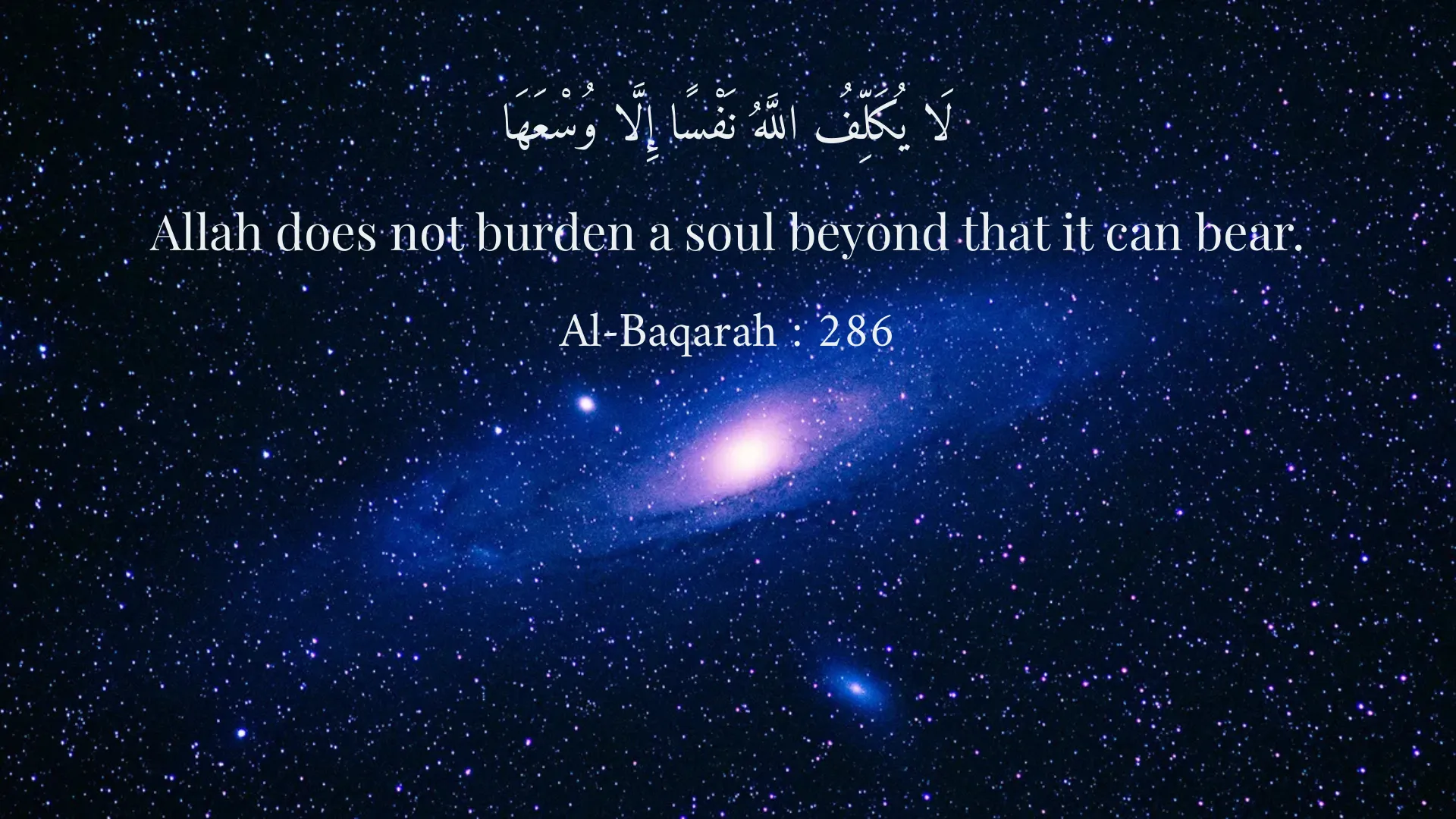
Real hope and delusion are two distinctly different concepts in human life, deeply intertwined with our psychological and emotional experiences. While they may sometimes appear similar on the surface, the foundations and implications of each are vastly different. Understanding these differences is crucial, as they influence our behaviors, decisions, and overall life satisfaction. Real hope is a profound feeling that encourages individuals to persist in their pursuit of goals, dreams, and noble desires. It is built on a reality grounded in faith, purpose, and constructive action. Real hope pushes us to envision a better future while motivating us to take tangible steps towards achieving it. In the context of the Holy Quran, Allah emphasizes the significance of hope and faith, highlighting a spiritual roadmap for believers to navigate life's challenges. One noteworthy example is found in Surah Al-Baqarah, verse 286, which states: 'Allah does not burden a soul beyond that it can bear.' This verse reinforces the idea that, during times of hardship, believers are encouraged to rely on Allah and maintain hope, knowing that they possess the strength and resilience to overcome their difficulties. Hope serves as a beacon of light, guiding us through the hardships and struggles that life presents. Real hope is not just wishful thinking or an abstract notion; it requires active participation. It involves setting realistic objectives and working diligently toward them. In the context of faith, real hope is rooted in the belief that Allah has a divine plan and that our efforts, combined with faith, can lead us toward positive outcomes. This relationship between hope and effort is beautifully captured in Surah Al-Imran, verse 139, which reminds believers: 'And do not weaken and do not grieve.' This declaration is a powerful message that encourages us to remain hopeful regardless of the challenges we might face. Conversely, delusion represents a stark departure from reality. It is a false feeling, often born out of despair or an inability to confront unpleasant truths. Delusion can lead individuals to develop unrealistic expectations about life, creating a rift between aspiration and achievable outcomes. For example, someone who hopes for miraculous changes without making any effort to improve their circumstances falls victim to delusion. They may convince themselves that change is possible without understanding that it requires personal accountability and proactive steps. This disconnect can lead to frustration, disappointment, and ultimately a sense of despair. In educational, professional, and personal contexts, the difference between hope and delusion can profoundly impact one's journey. Students who hope to excel in their studies must put in the necessary effort, time, and resources. Simply hoping for good grades without engaging in effective study habits leads to a dissonance that results in disappointment. The same principles apply in the workplace, where employees who hope for promotions must work diligently and effectively. Delusion in this case can manifest as the belief that merely being present is enough to achieve career aspirations, neglecting the importance of competence and initiative. Moreover, the psychological ramifications of real hope versus delusion extend beyond personal experiences. Individuals trapped in delusion might exhibit a range of emotional challenges, including anxiety, depression, and a pervasive sense of dissatisfaction with life. The longer such a mindset is sustained, the deeper the emotional scars can become, leading individuals to spiral further into despair. On the contrary, those embracing real hope are more likely to foster resilience, adaptability, and emotional wellbeing. Cultivating real hope involves mindfulness and reflection. It requires an understanding of one’s current situation, acceptance of one’s circumstances, and a clear vision of desired outcomes. This process of self-awareness lays the foundation for setting achievable objectives. By recognizing one’s strengths and weaknesses, individuals can devise practical plans for improvement while retaining hope for the future. In the realm of spirituality, real hope manifests as a profound trust in Allah’s wisdom. It invites believers to engage with their faith in a way that inspires positivity and motivates action. When individuals recognize that adversity is a part of life, accompanied by challenges, they can remain steadfast in their belief that their efforts coupled with divine support will yield favorable results. This synergy between personal agency and faith cultivates an empowering mindset that transcends delusion. Furthermore, nurturing real hope requires community support. When individuals engage with supportive networks, they are more likely to maintain a hopeful outlook. Family, friends, and religious communities can play pivotal roles in reinforcing positive beliefs and encouraging individuals in their endeavors. In this context, hope becomes a shared experience, enabling individuals to navigate life’s complexities together while holding on to their aspirations. As we examine the profound implications of real hope contrasted with delusion, it becomes evident that both concepts have far-reaching effects on our lives. Real hope serves as the driving force that propels individuals toward growth and accomplishment, while delusion can keep individuals trapped in a cycle of disappointment and despair. The teachings of the Quran emphasize the importance of faith and hope in overcoming adversity. The message is clear: to cultivate real hope, one must actively engage in self-improvement, remain connected to their faith, and draw strength from community support. As we navigate through life, let us prioritize nurturing real hope while recognizing the dangers of delusion, ensuring that our aspirations are rooted in reality. Through this lens, we can create a meaningful path to fulfillment and growth, shaped by resilience and anchored in faith.
Related Verses
لَا يُكَلِّفُ اللَّهُ نَفْسًا إِلَّا وُسْعَهَا
Allah does not burden a soul beyond that it can bear.
Al-Baqarah : 286
وَلَا تَهِنُوا وَلَا تَحْزَنُوا
And do not weaken and do not grieve.
Al-Imran : 139
Short Story
On a spring day, a man named Hassan was sitting in the park, reflecting on his life. Each morning, he woke up hoping for progress and improvement, but sometimes he felt trapped in delusions about the magnitude of his problems and difficulties. Remembering the verses of the Quran sparked a new hope in his heart. He decided to put in more effort and turn his reliance on God into real hope. With stronger steps and greater self-confidence, he moved toward his goals and noticed that peace and success came his way.