Quranic Answer
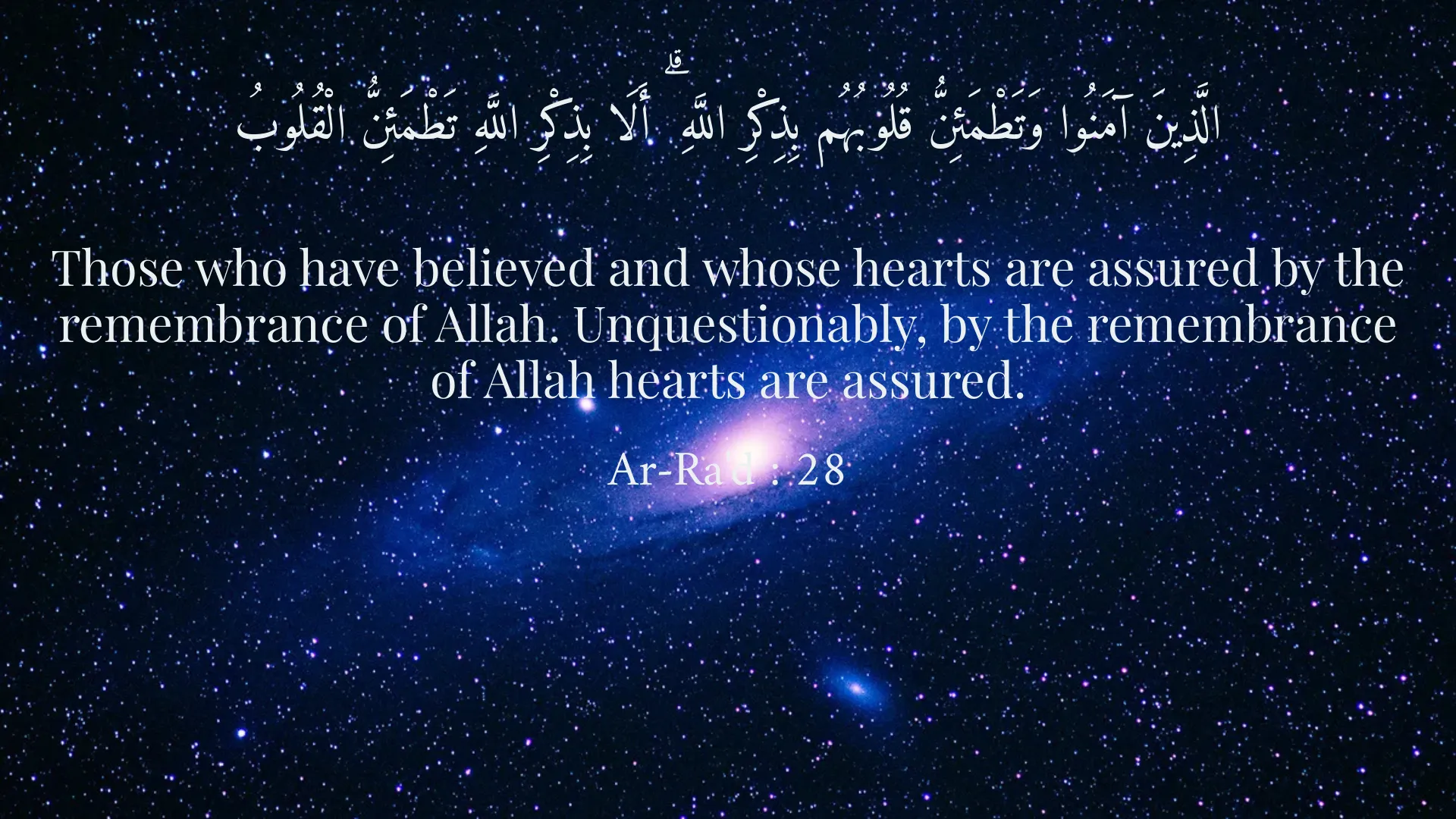
The question about the Quran's perspective on "modern human loneliness" addresses one of the most profound and prevalent concerns of humanity in our contemporary age. Despite remarkable advancements in technology and communication, many individuals in today's world experience a deep sense of loneliness, often referred to as an "epidemic of loneliness." The Holy Quran, while not explicitly using the term "modern loneliness," offers timeless guidance and principles that can help identify the roots of this feeling and provide effective remedies. The messages of the Quran are perpetually aligned with human nature and its fundamental spiritual needs, making them applicable and illuminating for every era, including the present. One of the primary and most fundamental solutions offered by the Quran to combat loneliness is its emphasis on the constant and intimate presence of God. Feelings of loneliness often stem from a belief that no one sees us, hears us, or truly understands us. However, the Quran repeatedly affirms the truth that Almighty Allah is always with us, closer to us than our jugular vein, and fully aware of every thought within our hearts. This divine awareness transforms absolute solitude into a profound sense of companionship with the Divine. Surah Ar-Ra'd, verse 28, eloquently states: "Those who have believed and whose hearts are assured by the remembrance of Allah. Unquestionably, by the remembrance of Allah hearts are assured." This verse clearly indicates that the root of tranquility and solace for the heart lies in the remembrance of God. When the human heart is filled with the remembrance of Allah, there is no room for emptiness or loneliness. Prayer (Du'a) and supplication are direct and immediate connections with the Creator, providing the comforting assurance that there is always a listening ear and a secure refuge. This relationship, even in the deepest moments of isolation, rescues individuals from feelings of helplessness and assures them that they are never truly alone. Allah says in Surah Al-Baqarah, verse 186: "And when My servants ask you, [O Muhammad], concerning Me - indeed I am near. I respond to the invocation of the supplicant when he calls upon Me." This divine promise is the most comforting response for lonely hearts, affirming that there is always a divine presence ready to listen and respond. Beyond the connection with God, the Quran places significant emphasis on the importance of community and human bonds. Humans are created as social beings, and the need for connection, empathy, and solidarity is inherent in their existence. The Quran invites Muslims to unity, cooperation, and mutual assistance. Congregational prayers, Hajj, Zakat (charity), and Sadaqah (voluntary charity) are all avenues for establishing and strengthening social bonds. In Surah Al-Imran, verse 103, we read: "And hold firmly to the rope of Allah all together and do not become divided." This verse not only refers to unity in faith but also emphasizes solidarity and avoidance of disunity within society. Living in a community where each other's rights are respected, needs are met, and members support one another naturally reduces feelings of loneliness. Islam emphasizes the importance of neighbors, relatives, friends, and even strangers, considering helping the needy and attending to the affairs of fellow Muslims among the greatest acts of worship. This strong network of support creates a robust shield against the onslaught of loneliness, fostering a sense of belonging and mutual responsibility. Another crucial point is the concept of purpose in life as viewed by the Quran. One of the main reasons for modern loneliness is a feeling of emptiness and meaninglessness in life. In a world where materialistic values and goals often dominate, many individuals, despite possessing ample resources, suffer from a lack of a higher, spiritual purpose. The Quran defines the primary purpose of human creation as the worship and servitude of Allah – a worship that means not only performing rituals but living one's life according to divine values and principles. Surah Adh-Dhariyat, verse 56, states: "And I did not create the jinn and mankind except to worship Me." This grand purpose gives meaning and direction to human life, preventing the aimlessness and wandering that can lead to loneliness. When individuals know why they live and that their ultimate goal is the pleasure of God, every moment of their lives becomes imbued with meaning, leaving no room for feelings of emptiness or isolation. Furthermore, the Quran refers to tools for coping with spiritual and psychological challenges, including loneliness. Patience (Sabr) and prayer (Salah) are among these tools. In Surah Al-Baqarah, verse 153, we read: "O you who have believed, seek help through patience and prayer. Indeed, Allah is with the patient." Patience signifies steadfastness and resilience in the face of difficulties, while prayer is a continuous and deep connection with God that brings tranquility to the soul and mind. These two tools help individuals remain strong during difficult moments and feelings of loneliness, knowing that with divine assistance, they can overcome these phases. Prayer, as a spiritual backbone, constantly reminds individuals of God and draws them out of heedlessness and isolation, providing a consistent source of comfort and guidance. In conclusion, the Holy Quran, with its comprehensive and anthropological approach, views human loneliness – whether modern or in any other era – not merely as a social problem but as a spiritual and existential challenge. The Quranic solution involves returning to the innate divine nature of humanity, strengthening the bond with the Creator, and subsequently establishing and maintaining healthy, purposeful relationships within society. By relying on God, constantly remembering Him, actively participating in the community, and finding a sublime purpose in life, individuals can overcome feelings of loneliness and attain inner peace and contentment. These timeless teachings serve as a guiding light for anyone in this bustling world seeking liberation from the grip of loneliness.
Related Verses
الَّذِينَ آمَنُوا وَتَطْمَئِنُّ قُلُوبُهُم بِذِكْرِ اللَّهِ ۗ أَلَا بِذِكْرِ اللَّهِ تَطْمَئِنُّ الْقُلُوبُ
Those who have believed and whose hearts are assured by the remembrance of Allah. Unquestionably, by the remembrance of Allah hearts are assured.
Ar-Ra'd : 28
وَإِذَا سَأَلَكَ عِبَادِي عَنِّي فَإِنِّي قَرِيبٌ ۖ أُجِيبُ دَعْوَةَ الدَّاعِ إِذَا دَعَانِ ۖ فَلْيَسْتَجِيبُوا لِي وَلْيُؤْمِنُوا بِي لَعَلَّهُمْ يَرْشُدُونَ
And when My servants ask you, [O Muhammad], concerning Me - indeed I am near. I respond to the invocation of the supplicant when he calls upon Me. So let them respond to Me [by obedience] and believe in Me that they may be [rightly] guided.
Al-Baqarah : 186
وَاعْتَصِمُوا بِحَبْلِ اللَّهِ جَمِيعًا وَلَا تَفَرَّقُوا ۚ وَاذْكُرُوا نِعْمَتَ اللَّهِ عَلَيْكُمْ إِذْ كُنتُمْ أَعْدَاءً فَأَلَّفَ بَيْنَ قُلُوبِكُمْ فَأَصْبَحْتُم بِنِعْمَتِهِ إِخْوَانًا
And hold firmly to the rope of Allah all together and do not become divided. And remember the favor of Allah upon you when you were enemies and He brought your hearts together so you became, by His favor, brothers.
Al-Imran : 103
وَمَا خَلَقْتُ الْجِنَّ وَالْإِنسَ إِلَّا لِيَعْبُدُونِ
And I did not create the jinn and mankind except to worship Me.
Adh-Dhariyat : 56
Short Story
A wealthy merchant, despite his vast riches and numerous servants, often felt a deep sense of solitude. He lived in a grand palace, yet his heart felt empty. One day, he visited a wise dervish living simply in a small hut outside the city walls. The merchant asked, "O wise one, how can you live contentedly in such apparent solitude, while I, surrounded by grandeur and people, often feel so profoundly alone?" The dervish smiled kindly, his eyes reflecting a deep inner peace. He replied, "My friend, the solitude you speak of is not of place, but of the heart. When the heart is filled with the remembrance of God and is open to the beauty of His creation and the kindness of fellow beings, one is never truly alone. The sun shines for all, the breeze whispers stories of companionship, and every bird's song is a call to connection. True companionship is found not in possessions or the mere presence of crowds, but in the presence of meaning and the strength of genuine bonds – both divine and human." The merchant pondered these words. He returned to his palace, but his outlook had changed. He began to seek solace not in his wealth, but in prayer, reflection, and genuine interaction with his family, servants, and the poor. He found that his loneliness gradually faded, replaced by a quiet contentment and a sense of belonging that his riches could never buy.