Quranic Answer
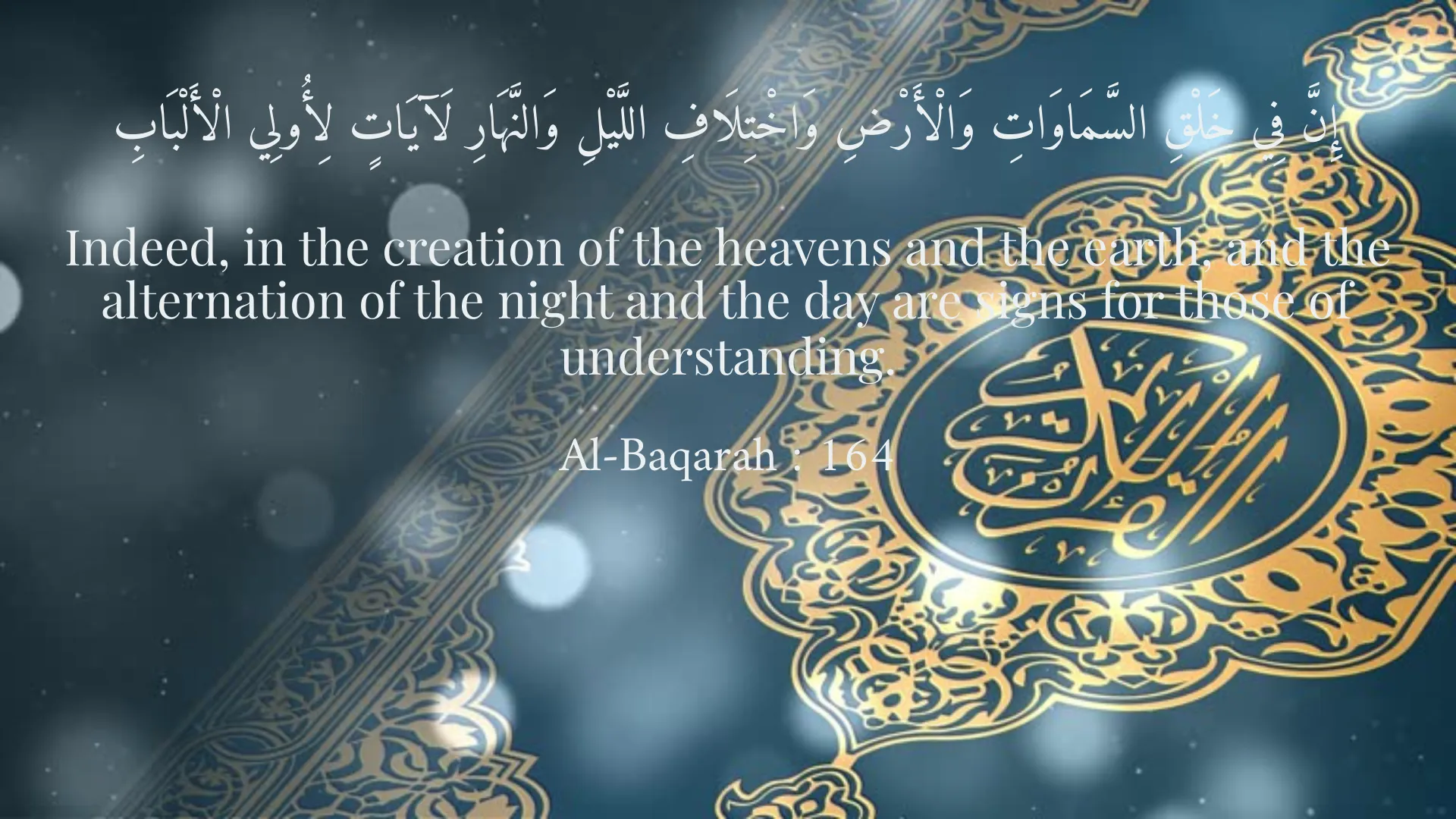
Reflection and contemplation in religion are pivotal elements that contribute significantly to religious growth and advancement. The journey of faith is not merely a series of rituals and practices; it requires deep introspection and thoughtful engagement with one’s beliefs. In particular, the Holy Quran, as the central religious text of Islam, emphasizes the importance of thinking and reasoning in matters of faith. These reflective practices allow individuals to cultivate a more profound understanding of their spirituality and nurture a closer relationship with the Divine. One of the most salient examples of the Quran's advocacy for reflection is found in Surah Al-Baqarah, verse 164. In this verse, Allah states: "Indeed, in the creation of the heavens and the earth, and the alternation of the night and the day are signs for those of understanding." This powerful message serves as an invitation from Allah to His servants, calling upon them to look beyond the surface of creation and appreciate the signs of divinity embedded in the world around them. Such reflection not only reinforces faith but enriches the believer's consciousness and appreciation of life. When individuals engage in critical thinking regarding their beliefs, they rise above superficiality and begin to unravel the profound meanings hidden within Quranic verses. This intellectual exploration fosters a stronger bond with God and enhances one's spiritual journey. It is through contemplation that believers can ponder the significance of their actions, the purpose of their existence, and the ultimate truths that govern the universe. Moreover, it allows them to correct misconceptions and reinforce their beliefs based on knowledge and understanding, rather than mere tradition or societal influence. Furthermore, in another enlightening verse, Surah Al-Imran, verse 191, believers are encouraged to ponder and consider the signs of Allah within their hearts. This underscores the criticality of reason and contemplation as tools for enhancing faith and facilitating religious growth. When individuals reflect on their beliefs and the world around them, they gain clarity and emotional resilience. Doubts and uncertainties, often natural to the path of faith, can be mitigated through thoughtful contemplation. Such reflective practices act as a buffer against existential crises and crises of faith that may arise during challenging periods of life. In essence, reflection in religion serves multiple valuable purposes. Firstly, it acts as a compass guiding individuals toward good deeds and benevolence. In a world often marred by chaos and negativity, religious teachings can provide solace and guidance. When individuals contemplate these teachings, they discover principles such as compassion, empathy, and justice. Such awareness can inspire believers to become agents of positive change within their communities and beyond. Through reflection, believers cultivate a desire to embody the ethical standards set forth in their religious teachings. Particularly in difficult times, the art of contemplation can lead one toward finding peace and hope. Many individuals find themselves grappling with life's adversities—be it personal loss, societal injustice, or existential dread. During these periods of turmoil, reflecting on religious teachings and the stories of past prophets can serve as a source of inspiration and courage. The Quran repeatedly recounts the struggles faced by prophets and believers, emphasizing resilience, patience, and faith in God’s plan. By contemplating these narratives, individuals can draw strength from the knowledge that they are not alone in their struggles and that tests are a part of the spiritual journey. Moreover, contemplation encourages individuals to delve deeper into their practice of faith, leading to personal transformation. As believers reflect on the values and principles outlined in the Quran, they are more likely to align their actions with their beliefs. As a result, this harmony between thought and action fosters a sense of integrity and authenticity in one’s spiritual journey. Engaging in regular reflection can also motivate believers to participate actively in acts of worship, community service, and other forms of devotion that nurture a sense of belonging within the community and strengthen their overall commitment to their faith. It is essential to recognize that reflection is not a one-time act but an ongoing process that requires dedication and mindfulness. In a world filled with distractions, many individuals may find it challenging to set aside time for contemplation. However, it is crucial for believers to create spaces in their lives for quietness and introspection—whether through prayer, meditation, or studying sacred texts. These practices enable a deeper connection to the Divine and foster a contemplative spirit that enriches one’s faith. In conclusion, reflection and contemplation hold immeasurable importance in the journey of religious growth and advancement. The Holy Quran serves as a guiding light, urging believers to engage in thoughtful reasoning and introspection. Through this practice, individuals can gain clarity, prevent doubts, and foster a genuine connection with God. Furthermore, this reflective engagement serves to guide believers toward good deeds and benevolence, especially in trying times. As people navigate their complexities of faith and life, weaving reflection into their spiritual practices can illuminate their paths and strengthen their connection with the Divine. Ultimately, the journey of faith is enriched through contemplation, making it a vital element in the quest for spiritual advancement.
Related Verses
إِنَّ فِي خَلْقِ السَّمَاوَاتِ وَالْأَرْضِ وَاخْتِلَافِ اللَّيْلِ وَالنَّهَارِ لَآيَاتٍ لِأُولِي الْأَلْبَابِ
Indeed, in the creation of the heavens and the earth, and the alternation of the night and the day are signs for those of understanding.
Al-Baqarah : 164
الَّذِينَ يَذْكُرُونَ اللَّهَ قِيَامًا وَقُعُودًا وَعَلَى جُنُوبِهِمْ وَ يَتَفَكَّرُونَ فِي خَلْقِ السَّمَاوَاتِ وَالْأَرْضِ
Those who remember Allah while standing or sitting or [lying] on their sides and give thought to the creation of the heavens and the earth.
Al-Imran : 191
Short Story
One day, a man named Ali decided to engage in more contemplation in his life. He spent his days and nights pondering the profound meanings of life and the existence of God. By reading the Quran and reflecting on its verses, Ali reached a state of happiness and tranquility. He also realized that reflection in religion helped him gain strength when facing life's challenges.