Quranic Answer
In the Holy Quran, values are presented as essential criteria in human decision-making and behavior. The Quran serves as a complete guide for Muslims, addressing various aspects of life, faith, and interaction with others. The concept of values in Islam emphasizes the importance of adhering to a moral and ethical framework provided by the teachings of the Quran and the Sunnah (the practices of the Prophet Muhammad). This article will explore the significance of these values in decision-making, how they influence behavior, the consequences of neglecting them, and the role they play in shaping a believer's life. ### Understanding Values in the Quran The Quran explicitly mentions various values that are fundamental to a Muslim's life. One prominent reference is found in Surah Al-Baqarah, verse 177, where Allah outlines essential beliefs such as faith in God, the Last Day, angels, scriptures, and prophets. This verse illustrates that a true believer must internalize these principles and reflect them in their decision-making processes. For instance, belief in God serves as the ultimate source of guidance, providing individuals with a moral compass that helps navigate through life’s challenges. ### The Role of Values in Decision-Making Decision-making is an integral part of human existence. Every decision, whether big or small, has consequences that can affect oneself and others. When Muslims make choices, the Quran encourages them to consider whether their decisions align with Islamic values. For example, in Surah Aal-E-Imran, verse 159, Allah reminds the Prophet Muhammad to act with mercy toward others. This emphasizes the significance of compassion and empathy in interactions and decision-making. The Quran teaches that true obedience to God and the prophetic model entails making choices that reflect kindness and understanding. ### Ethical Framework in the Quran The Quran develops a comprehensive ethical framework by emphasizing loyalty, honesty, and fairness as primary values. In Surah Al-Ma'idah, verse 8, Allah calls upon believers to bear witness to the truth. This verse highlights the importance of ethical behavior and accountability in fulfilling one’s obligations. Adhering to truthfulness not only fosters trust within communities but also reinforces one’s character as a Muslim. By prioritizing these ethical principles, believers can create a harmonious society that thrives on mutual respect. ### Assessing Choices Against Islamic Values After making decisions, it is crucial for a Muslim to assess whether those choices align with Islamic values. This self-reflection is foundational to personal growth and spiritual development. The Quranic guidance encourages individuals to evaluate the impact of their decisions on their own lives and the lives of others. By considering how a choice reflects the essence of Islam, Muslims can cultivate a sense of responsibility towards themselves and the community. ### The Consequences of Ignoring Values Neglecting the values outlined in the Quran can lead to a myriad of consequences that may ripple through various aspects of life. Whether it manifests as personal discontent, strained relationships, or societal discord, the absence of moral and ethical foundations can create chaos. A person who disregards the principles of loyalty, honesty, and fairness may find themselves isolated, both socially and spiritually. Conversely, following these values can lead to a fulfilling life, where one experiences joy and contentment, knowing they are on the right path. ### Daily Applications of Quranic Values In practical terms, integrating Quranic values into everyday life involves being conscious of one's actions and decisions. From workplace ethics to family interactions, Islamic values can guide behavior in various settings. For instance, a Muslim in a workplace setting might face dilemmas that challenge integrity. The teachings of the Quran emphasize the importance of honesty and fairness, empowering individuals to make choices that uphold their ethical commitments. This conscious approach fosters an environment of trust and belonging, which is cornerstone to a progressive community. ### Upholding Values in Communities Collectively, the adherence to Quranic values strengthens communities and societies. A group of individuals committed to the principles mentioned in the Quran—such as compassionate leadership, fairness in judgment, and unwavering truthfulness—can create a positive change in their surroundings. The efforts to promote a value-based lifestyle can inspire others to lead by example, thus establishing a chain reaction of goodness and moral rectitude. ### Conclusion Ultimately, decisions in life should be guided by the values outlined in the Quran for an individual to tread the right path and attain God's pleasure. The teachings of the Quran offer a roadmap for making wise and thoughtful choices. By reflecting on Quranic principles and applying them in daily life, Muslims can navigate their decisions with conviction and confidence. As the world faces numerous ethical and moral challenges, the timeless wisdom found within the Holy Quran can illuminate paths leading to a better, more just society. Therefore, recognizing and embodying these values in our lives enables the cultivation of stronger relationships, a harmonious community and a fulfilling spiritual life. By embracing the Quran's guidance, individuals can indeed make wiser and better choices, ultimately fulfilling their divine purpose.
Related Verses
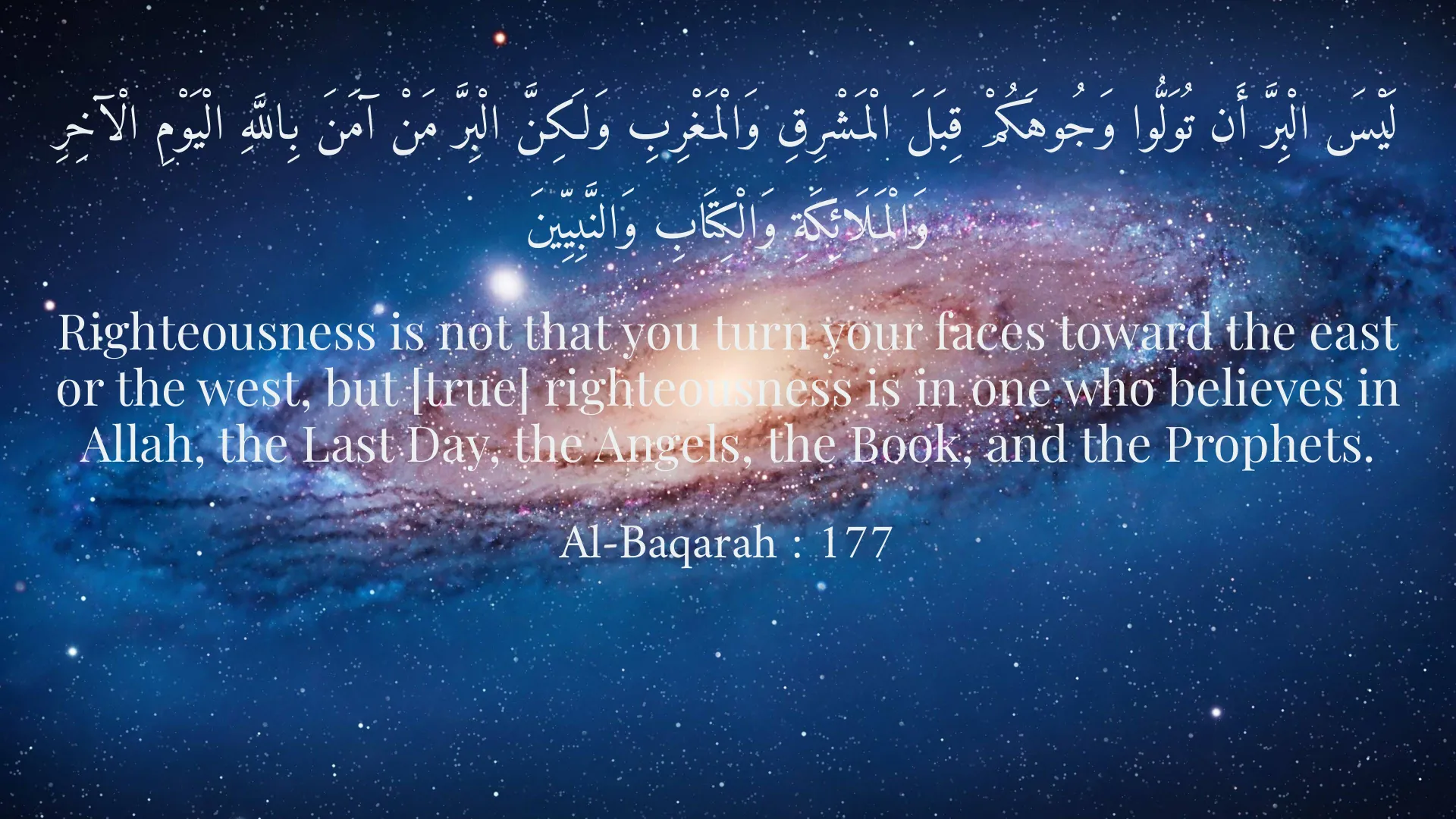
لَيْسَ الْبِرَّ أَن تُوَلُّوا وَجُوهَكُمْ قِبَلَ الْمَشْرِقِ وَالْمَغْرِبِ وَلَكِنَّ الْبِرَّ مَنْ آمَنَ بِاللَّهِ الْيَوْمِ الْآخِرِ وَالْمَلَائِكَةِ وَالْكِتَابِ وَالنَّبِيِّينَ
Righteousness is not that you turn your faces toward the east or the west, but [true] righteousness is in one who believes in Allah, the Last Day, the Angels, the Book, and the Prophets.
Al-Baqarah : 177
فَبِمَا رَحْمَةٍ مِّنَ اللَّهِ لِنتَ لَهُمْ ۖ وَلَو كُنتَ فَظًّا غَلِيظَ الْقَلْبِ لَانفَضُّوا مِن حَوْلِكَ ۖ فَاعْفُ عَنْهُمْ وَاسْتَغْفِرْ لَهُمْ وَشَاوِرْهُمْ فِي الْأَمْرِ
So by mercy from Allah, [O Muhammad], you were lenient with them. And if you had been rude in speech and harsh in heart, they would have disbursed from about you. So forgive them and ask forgiveness for them and consult them in the matter.
Aal-E-Imran : 159
يَا أَيُّهَا الَّذِينَ آمَنُوا كُونُوا قَوَّامِينَ لِلَّهِ شُهَدَاءَ بِالْقِسْطِ ۖ وَلَا يَجْرِمَنَّكُمْ شَنَآنُ قَوْمٍ عَلَى أَلَّا تَعْدِلُوا ۚ اعْدِلُوا هُوَ أَقْرَبُ لِلتَّقْوَى
O you who have believed, be persistently standing firm in justice, witnesses for Allah, even if it be against yourselves or parents and relatives.
Al-Ma'idah : 8
Short Story
One day, a man named Hasan was reflecting deeply on his decision-making processes. He wanted to make better choices, so he turned to the verses of the Quran. There he realized that adhering to values like honesty and loyalty, along with faith in God, is the key to success and peace in life. Hence, he decided to base his decisions solely on Islamic values, and gradually, his life improved.