Quranic Answer
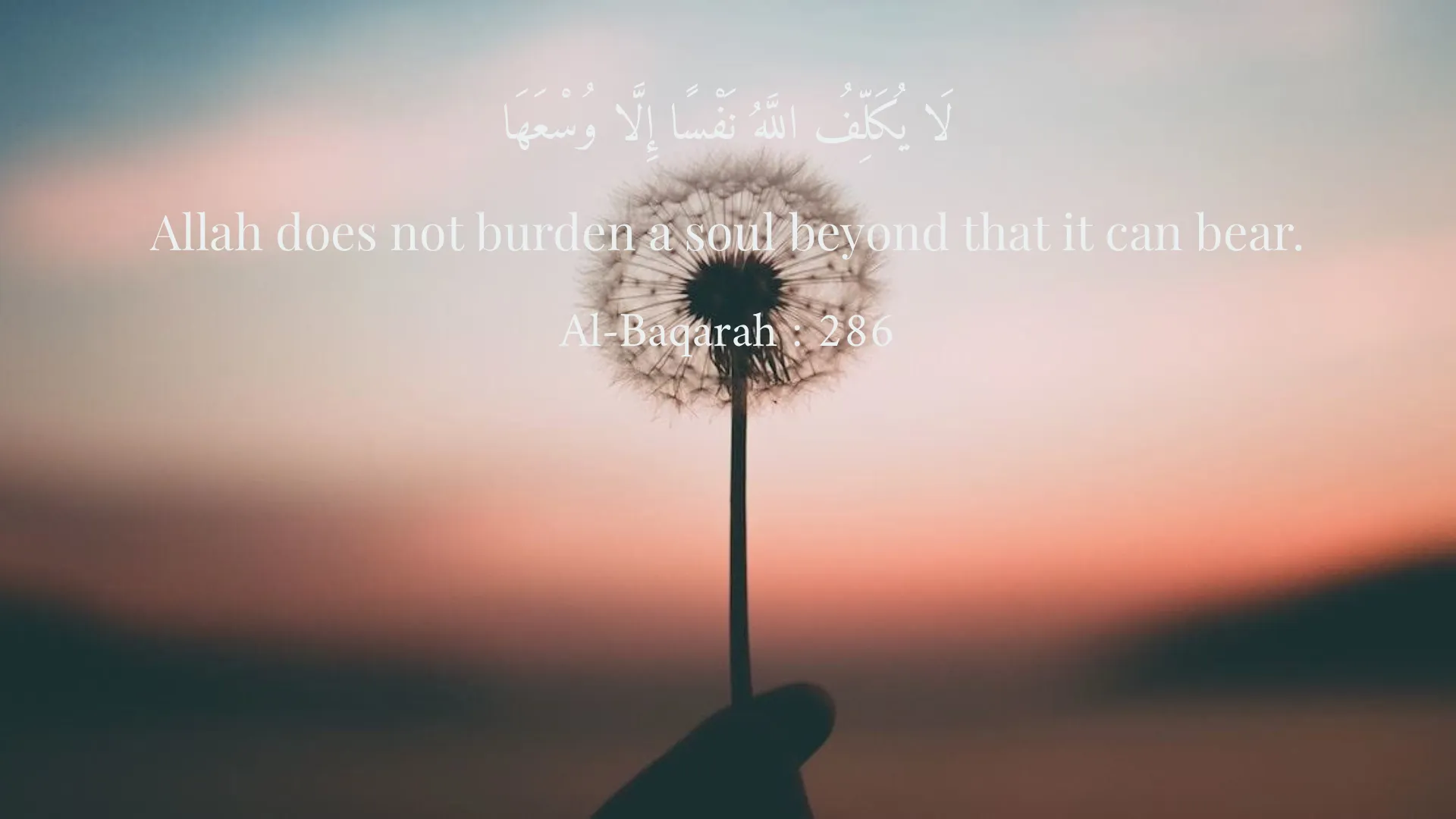
The Holy Quran, the sacred text of Islam, offers guidance on various aspects of life, including the pervasive issue of pessimism. While it may not directly address pessimism as a concept, the verses of the Quran provide a wealth of wisdom that encourages individuals to adopt a positive mindset and to trust in Allah during times of hardship. A thorough examination of the Quran reveals several key verses that can inspire believers to cultivate an optimistic outlook, overcome adversity, and strengthen their faith. One of the most compelling verses in the Quran that addresses the human experience of burdens and trials is found in Surah Al-Baqarah. Verse 286 states, ‘Allah does not burden a soul beyond that it can bear.’ This statement serves as a powerful reminder that, regardless of the challenges faced, there is an inherent limit to what each individual can endure. It encapsulates the idea that difficulties are a part of life but are not without purpose or measure. By understanding that Allah knows our capacities and limits, we are encouraged to confront challenges with resilience rather than succumb to despair. This recognition allows us to maintain hope, even during the most difficult times. Another significant verse that further emphasizes this theme of resilience and hope is found in Surah Al-Imran, verse 139, where it is stated, ‘Do not lose heart, if you are believers and take steps in the way of God, Allah is with you and will not let your enemies prevail over you.’ This verse not only reassures believers that they are not alone in their struggles but also reinforces the importance of action and perseverance in the pursuit of righteousness. The exhortation to 'take steps in the way of God' suggests that individuals must actively engage with their faith and work towards their goals, regardless of the obstacles that may lie ahead. It provides a framework for approaching life that is not dictated by hopelessness but rather by a proactive spirit fueled by trust in divine support. Moreover, the Quran consistently invites individuals to nurture their faith and to develop an optimistic outlook. Pessimism often arises from personal setbacks, past failures, or emotional turmoil, leading individuals to a spiral of negativity that can become debilitating. However, the Quran teaches that embracing hope and love in our hearts is essential for overcoming these challenges. For instance, the concept of divine mercy is prominent throughout the text, reminding believers that Allah’s compassion is vast and ever-present. Recognizing this mercy can inspire individuals to reshape their perspectives on hardships, viewing them not as insurmountable obstacles but as opportunities for growth and learning. In addition to the verses mentioned, the Quran frequently highlights the importance of gratitude (shukr) as a means to combat pessimism. In countless passages, believers are encouraged to express gratitude for the blessings they possess, regardless of their circumstances. Practicing gratitude can significantly shift one’s focus from what is lacking to what is plentiful. This shift in awareness can create a positive cycle of thinking, where one’s mindset becomes more resilient in the face of adversity. When individuals focus on their many blessings and acknowledge the good in their lives, they build a mental shield against pessimism. Furthermore, engaging in prayer (salah) and remembrance of Allah (dhikr) has been demonstrated as vital in alleviating feelings of despair and anxiety. The Quran emphasizes that with every hardship comes ease (Surah Ash-Sharh, verse 5). This reaffirmation helps believers anticipate relief during trying times and fosters a positive mindset that integrates hope and spiritual practice. Each act of worship serves as an essential tool for establishing a close relationship with Allah, which is crucial during times of trial. The act of turning to Allah not only provides emotional support but also cultivates a sense of belonging and connection to a larger community of believers. It is also worth noting that cultivating a positive mindset is not merely an individual endeavor; it embodies a collective responsibility within the Islamic community. The Quran encourages believers to support one another through compassion, kindness, and encouraging words. For example, the concept of good company is heavily emphasized; being surrounded by positive, faith-driven individuals can significantly influence one’s outlook on life. The social aspect of faith reinforces the role of community in building resilience against challenges and in fostering a culture of optimism. Additionally, the Quran acknowledges the complexity of human emotions and experiences. It validates feelings of sadness, grief, and despair, allowing believers to process their feelings without shame. The key is not to remain trapped in these emotions but to channel them towards a hopeful renewal of faith. Thus, the Quran serves as a profound source of psychological support, guiding individuals to seek solace in their faith when faced with the trials of life. In conclusion, while the Holy Quran may not directly confront the issue of pessimism, it profoundly addresses the principles of positivity, hope, and trust in Allah. The verses discussed offer vital encouragement for individuals to maintain hope in the face of adversity. By recognizing that every challenge has a purpose, committing to gratitude, engaging in prayer, and surrounding oneself with a supportive community, believers can cultivate an optimistic mindset. This positive approach is foundational to advancing in life, overcoming challenges, and fostering a deeper relationship with Allah. As believers, we are called to strengthen our faith and adopt a spirit of hope and love in our hearts, allowing us to navigate the complexities of life with resilience and grace.
Related Verses
لَا يُكَلِّفُ اللَّهُ نَفْسًا إِلَّا وُسْعَهَا
Allah does not burden a soul beyond that it can bear.
Al-Baqarah : 286
إِنَّمَا أَن تَحْمِلُوا أَحْمَدُ مُؤْمِنُو تَفْقُدُوا مَا مَعَكُمْ
If you are believers and take steps in the way of God, Allah is with you and will not let your enemies prevail over you.
Al-Imran : 139
Short Story
One day, a man named Mehdi was practicing positive thinking by a river. He had always been pessimistic about life's challenges, and others advised him to change his perspective. One day, while meditating, he felt a deep peace within himself and recalled the verses of the Quran. He decided to place his trust in Allah and let go of pessimism. Over time, Mehdi's life changed, and he found himself no longer entertaining negative thoughts.