Quranic Answer
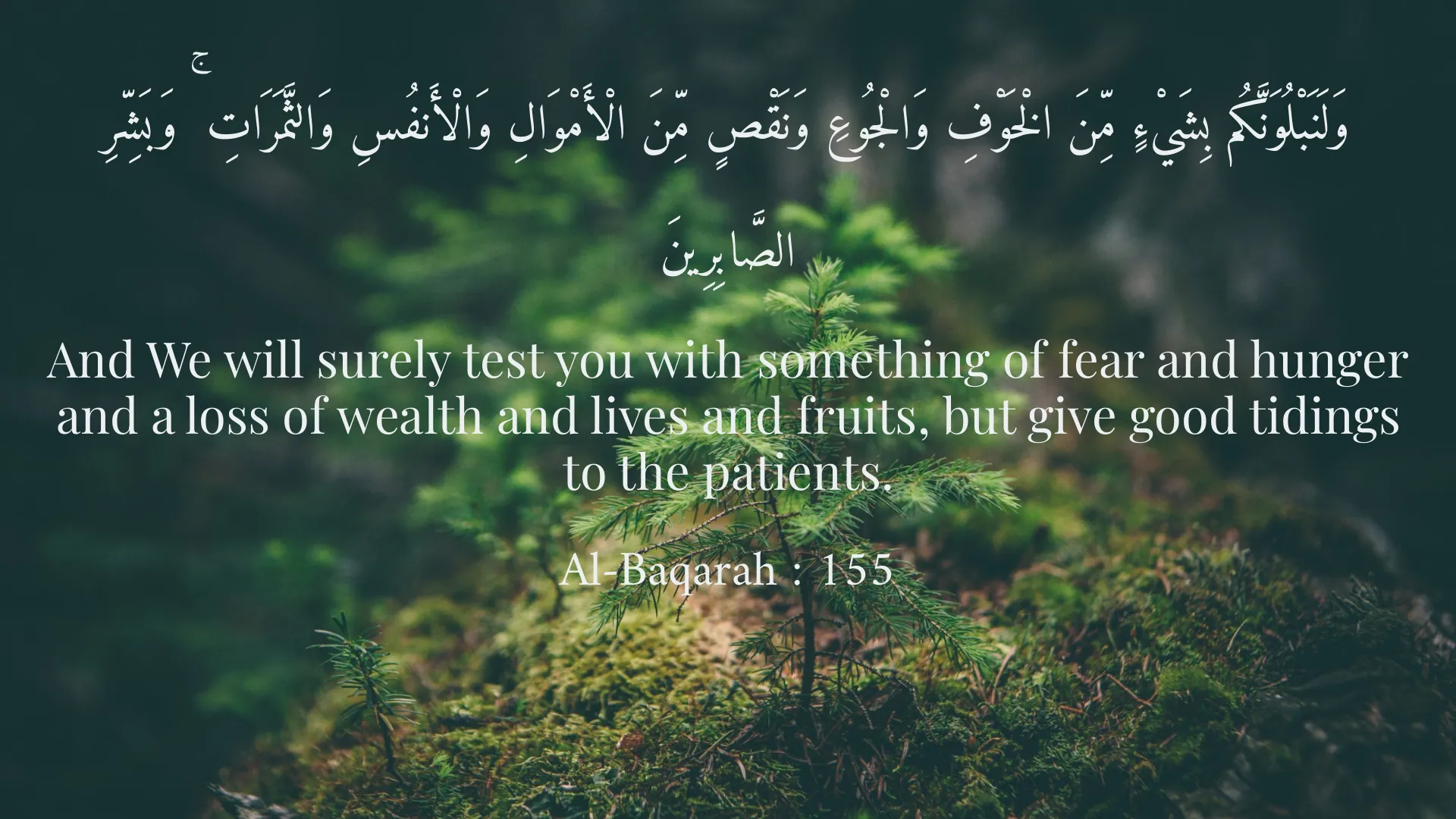
The complexities of human existence have long intrigued both theologians and philosophers. Within the context of the Holy Quran, the interplay between wickedness and the comfortable lives of certain individuals raises profound questions about divine judgment, morality, and the nature of trials. The Quran, regarded as the ultimate guide for humanity, addresses these concerns in various verses, providing clarity regarding the apparent unfairness experienced by many. In this extensive analysis, we will delve deeper into the Quranic teachings regarding wickedness, the nature of divine tests, and the transient nature of worldly comforts. The concept of trials and tests is prevalent in Islamic teachings. In Surah Al-Baqarah, verse 155, Allah states: "And We will surely test you with something of fear and hunger and a loss of wealth and lives and fruits, but give good tidings to the patients." This profound verse highlights that challenges and hardships are an inherent part of life. Whether it is through fear, hunger, or the loss of loved ones or possessions, everyone encounters difficulties that serve as tests of faith and resilience. The idea is that these challenges are not mere random occurrences but rather divinely ordained tests meant to gauge an individual's character and resolve. Those who might appear infamous or wicked might be grappling with unseen trials that test their patience and faith. The external perception of someone’s life may not reflect their internal struggles or spiritual journey. This duality serves to remind believers that one should not be quick to judge others based solely on their outward circumstances. Furthermore, the Quran asserts that the presence of wealth and comfort is not necessarily an indication of divine favor or approval. Surah Al-Imran, verse 185, states: "Every soul will taste death, and you will only be given your full compensation on the Day of Resurrection. So whoever is drawn away from the Fire and admitted to Paradise has truly succeeded, and what is the worldly life except the enjoyment of delusion." This verse emphasizes a crucial tenet in Islamic belief: that the ephemeral nature of this worldly life is deceptive. Wealth can often create an illusion of happiness and contentment, leading individuals astray from the ultimate truth. The Quran conveys that the true measure of success lies in the hereafter, where a person’s deeds and intentions are evaluated in the sight of Allah. Thus, individuals can experience worldly pleasures while simultaneously accumulating spiritual debt that they must account for in the afterlife. Importantly, the Quran encourages believers to focus on the essence of their behavior and intentions rather than being distracted by external circumstances. The transient joys of life should not blind one to the responsibilities they have towards themselves and their Creator. The trials that an individual faces, regardless of their social standing, are part of a broader divine plan aimed at refining the soul and guiding individuals toward righteousness. In their pursuit of truth and righteousness, individuals must consider that pain, suffering, and the challenges they encounter can lead to profound personal and spiritual growth. The Quran illustrates this through various narratives of prophets and righteous individuals who faced immense hardships. Their stories provide hope and demonstrate that trials can ultimately lead to personal transformation and a closer connection to Allah. The question of why some individuals perceived as wicked experience comfort and success, while others struggle, ultimately ties back to the limitations of human understanding. As Allah reminds humanity in the Quran, His wisdom is beyond comprehension. There are intricacies within the divine plan that may remain hidden to us. Therefore, our duty as believers is to frame our perspective in a manner aligned with God’s teachings. We must strive to be catalysts of goodness, embodying righteous behavior in our actions and intentions. As we strive toward these ideals, it becomes imperative to recognize the importance of patience and perseverance in the face of adversity. The Quran frequently addresses the virtue of patience, highlighting its significance in navigating life’s challenges. Surah Al-Baqarah, verse 153, reminds believers to seek help through patience and prayer, reinforcing the idea that spiritual fortitude can lead to ultimate success in both this life and the next. Additionally, Islamic tradition teaches that giving, charity, and helping those in need enrich one’s spiritual life and can purify one’s heart from ill intentions. Wealth should be seen as a tool for good, utilized to uplift those around us rather than a measure of status that distances us from our moral compass. It is essential to remember that every action holds a purpose that contributes to the larger framework of life dictated by divine wisdom. In conclusion, the Quran engages with the complexities surrounding wickedness and the seemingly comfortable lives of individuals, providing a lens of clarity through which we can understand these contradictions. Life is riddled with trials that serve not only as tests of faith but also as opportunities for growth and self-discovery. Wealth and comfort do not equate to spiritual success, as true judgment lies with Allah, who considers one's deeds and intentions. Grounded in these principles, it becomes paramount that individuals focus on living a life of righteousness, guided by patience, compassion, and a deep connection to their Creator. We must strive to pursue the right path, eschewing immorality and fostering harmony within ourselves and with others, recognizing that our actions in this world will determine our fate in the hereafter. The journey toward understanding and bettering ourselves is ongoing and deeply influenced by the divine narrative that shapes our existence.
Related Verses
وَلَنَبْلُوَنَّكُم بِشَيْءٍ مِّنَ الْخَوْفِ وَالْجُوعِ وَنَقْصٍ مِّنَ الْأَمْوَالِ وَالْأَنفُسِ وَالثَّمَرَاتِ ۚ وَبَشِّرِ الصَّابِرِينَ
And We will surely test you with something of fear and hunger and a loss of wealth and lives and fruits, but give good tidings to the patients.
Al-Baqarah : 155
كُلُّ نَفْسٍ ذَائِقَةُ الْمَوْتِ ۖ وَإِنَّمَا تُوَفَّوْنَ أُجُورَكُمْ يَوْمَ الْقِيَامَةِ ۚ فَمَن زُحْزِحَ عَنِ النَّارِ وَأُدْخِلَ الْجَنَّةَ فَقَدْ فَازَ ۚ وَمَا الْحَيَاةُ الدُّنْيَا إِلَّا مَتَاعٌ غَرُورٌ
Every soul will taste death, and you will only be given your full compensation on the Day of Resurrection. So whoever is drawn away from the Fire and admitted to Paradise has truly succeeded, and what is the worldly life except the enjoyment of delusion.
Al-Imran : 185
Short Story
One day, two friends were sitting in a café and discussing their lives. One of them, Saman, pointed out the wicked people who were famous and said, 'Why do some of them live comfortably?' His friend, Hamed, smiled and replied, 'Well! The Quran indicates that true life lies in closeness to God, not in wealth and fame. Maybe these people are going through trials that we are unaware of.' Saman thought for a moment and said, 'So, we shouldn't judge them harshly; perhaps their hearts are closer to God.'