Quranic Answer
The question of why some individuals, despite possessing strong faith, experience profound sadness is a deep and challenging one that many believers grapple with throughout their lives. The phenomenon of a believer, with heartfelt conviction in God and His promises, occasionally being overcome by consuming grief is something the Holy Quran addresses directly and indirectly through various dimensions. It is crucial to understand that sorrow and grief are inherent parts of the human experience; even prophets and divine saints experienced sadness. Faith does not mean the complete negation of human emotions, but rather it signifies how to manage these feelings and find meaning and tranquility in the light of divine teachings. One of the most significant reasons believers encounter sadness is the very nature of this world and life, which, as stated in the Quran, is replete with trials and tribulations. In Surah Al-Baqarah, verse 155, Allah says: “And We will surely test you with something of fear and hunger and a loss of wealth and lives and fruits, but give good tidings to the patient.” This verse clearly states that fear, hunger, loss of wealth, loved ones, and fruits of one's labor are all part of divine tests. These events naturally cause sorrow and distress. The wisdom behind these trials is to purify the soul, increase patience, and strengthen faith. The sadness that arises from such circumstances, if accompanied by patience and reliance on God (Tawakkul), not only does not contradict faith but can serve as a stepping stone for spiritual elevation. In these situations, a believer learns to rely on the absolute power of God rather than on fleeting worldly matters. This type of sadness, arising from the loss of transient things, reminds humanity that true stability and peace lie elsewhere, guiding them towards the ultimate source of tranquility, the Almighty God. This sadness is not a sign of weak faith, but rather a sign of spiritual sensitivity and an understanding of the transience of this world, which, if accompanied by insight, can lead to spiritual growth. Another reason for a believer's sadness can be excessive attachment to the world and its possessions. In Surah Al-Hadid, verse 23, the Quran states: “In order that you not grieve over what has eluded you and not exult [in pride] over what He has given you. And Allah does not like every self-deluded and boastful person.” This verse explicitly points to the root of much sadness: attachment to material things and worldly outcomes. When a person becomes overly attached to wealth, status, health, or worldly relationships, their loss or deficiency leads to intense grief and sorrow. Strong faith means understanding that everything belongs to God and returns to Him, and what is gained in this world is a fleeting trust. This perspective helps ensure that the sadness resulting from losses does not turn into absolute despair, but rather shifts one's focus to divine reward and mercy in the afterlife. Freedom from these attachments does not imply indifference to the world, but rather a realistic view of it and an understanding of the transient nature of worldly affairs. The more a person clings to worldly matters, the greater their fear of loss and failure, and this fear itself can be a source of constant sorrow. Another critical cause of sadness and restlessness in the heart is a deficiency or weakness in the remembrance of Allah (Dhikr Allah). In Surah Ar-Ra'd, verse 28, the Quran states: “Those who have believed and whose hearts are assured by the remembrance of Allah. Unquestionably, by the remembrance of Allah hearts are assured.” This verse emphasizes that true peace of heart is contingent on the remembrance of God. Even a believer might, at times, become heedless or their heartfelt remembrance and attention to God might wane. This heedlessness can lead to a sense of inner emptiness and sadness. The remembrance of God is not merely the repetition of words but a constant awareness of divine presence, an understanding of His wisdom in events, and reliance on Him. Prayer (Salat), recitation of the Quran, supplication (Dua), and reflection on divine verses are all forms of remembrance that nourish the soul and reduce grief and anxiety. When a person becomes overwhelmed by problems and forgets the power and mercy of God, it is natural for the heavy burden of sorrow to overcome them. However, remembering that God is All-Powerful and Merciful can be a light in the darkness of grief, filling the heart with hope and serenity. Dhikrullah is like watering the roots of the tree of faith; if done continuously, it will bear the fruit of peace and assurance. Furthermore, a believer's sadness can sometimes stem from sins and shortcomings in fulfilling religious duties. Sin, even if minor, can negatively affect a person's soul and mind, creating a sense of guilt and shame that leads to sadness and restlessness. True faith calls a person to repentance and returning to God. If a believer quickly repents of their sins and strives to make amends, this sadness can transform into a catalyst for spiritual growth. However, if sins are repeated and left unaddressed, they can create a state of perpetual restlessness and distress in the heart. A believer's heart is like a mirror that gets stained with every sin, creating turbidity, and only through repentance and seeking forgiveness does it become polished and return to clarity. This type of sadness serves as an internal warning to return to the right path and strengthen one's connection with God. Ultimately, sadness is a natural human emotion, and the difference between a believer and a non-believer lies in how they cope with it. A believer manages sadness by relying on faith, patience, trust, and the remembrance of Allah, not allowing it to turn into despair. Sadness may exist, but it is faith that provides hope and saves one from sinking into darkness. Sadness that brings a believer closer to God and makes them reflect on divine wisdom is itself a blessing. Thus, the presence of sadness in a believer's life not only does not contradict faith but sometimes indicates a living, sensitive heart that feels the pains and sufferings of the world, yet ultimately finds its refuge in the remembrance and endless mercy of the Lord. Faith does not merely prevent sadness; it strengthens one's ability to cope with it and guides it so that sadness becomes constructive rather than destructive, leading to spiritual elevation. This ability to transform sorrow into an opportunity for growth and closeness to the Creator is what true faith brings. Faith acts as a shield; although worldly wounds may be inflicted upon it, it prevents the arrow of despair from penetrating the heart and paves the way for eternal peace.
Related Verses
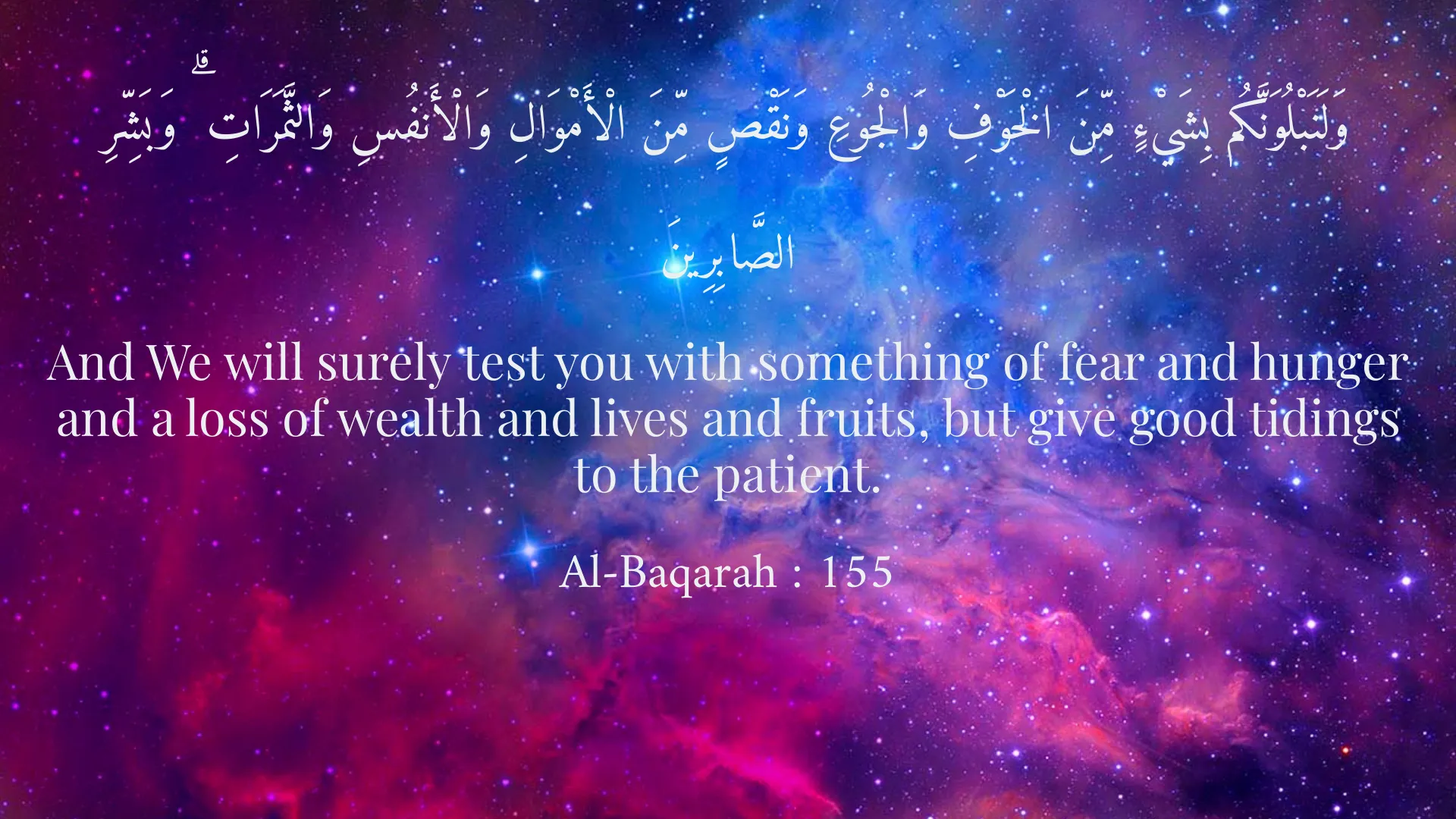
وَلَنَبْلُوَنَّكُم بِشَيْءٍ مِّنَ الْخَوْفِ وَالْجُوعِ وَنَقْصٍ مِّنَ الْأَمْوَالِ وَالْأَنفُسِ وَالثَّمَرَاتِ ۗ وَبَشِّرِ الصَّابِرِينَ
And We will surely test you with something of fear and hunger and a loss of wealth and lives and fruits, but give good tidings to the patient.
Al-Baqarah : 155
الَّذِينَ آمَنُوا وَتَطْمَئِنُّ قُلُوبُهُم بِذِكْرِ اللَّهِ ۗ أَلَا بِذِكْرِ اللَّهِ تَطْمَئِنُّ الْقُلُوبُ
Those who have believed and whose hearts are assured by the remembrance of Allah. Unquestionably, by the remembrance of Allah hearts are assured.
Ar-Ra'd : 28
لِّكَيْلَا تَأْسَوْا عَلَىٰ مَا فَاتَكُمْ وَلَا تَفْرَحُوا بِمَا آتَاكُمْ ۗ وَاللَّهُ لَا يُحِبُّ كُلَّ مُخْتَالٍ فَخُورٍ
In order that you not grieve over what has eluded you and not exult [in pride] over what He has given you. And Allah does not like every self-deluded and boastful person.
Al-Hadid : 23
Short Story
In Saadi's Golestan, it is narrated that there was a wealthy and powerful king who always had a gloomy and sad face, as if carrying a heavy burden. In the same city, there lived a simple dervish who possessed only a blanket and a pitcher, yet was always cheerful and smiling. One day, the king saw the dervish and asked him, “I, who possess so much wealth and power, why am I always sad, while you, with your poverty, are always joyful?” The dervish replied with a smile, “O King! You are constantly worried about losing your possessions: from plunder, from thieves, from enemies. And the more you have, the greater your fear of diminution and loss. But I have nothing to lose, save my life, which is also a trust from God. When attachment to the world is lessened, the burden of sorrow also becomes lighter.” This story reminds us that sometimes our sadness does not stem from a lack of faith, but from an excessive attachment to what we possess or desire, and true peace lies in contentment with divine decree and minimizing worldly attachments.