Quranic Answer
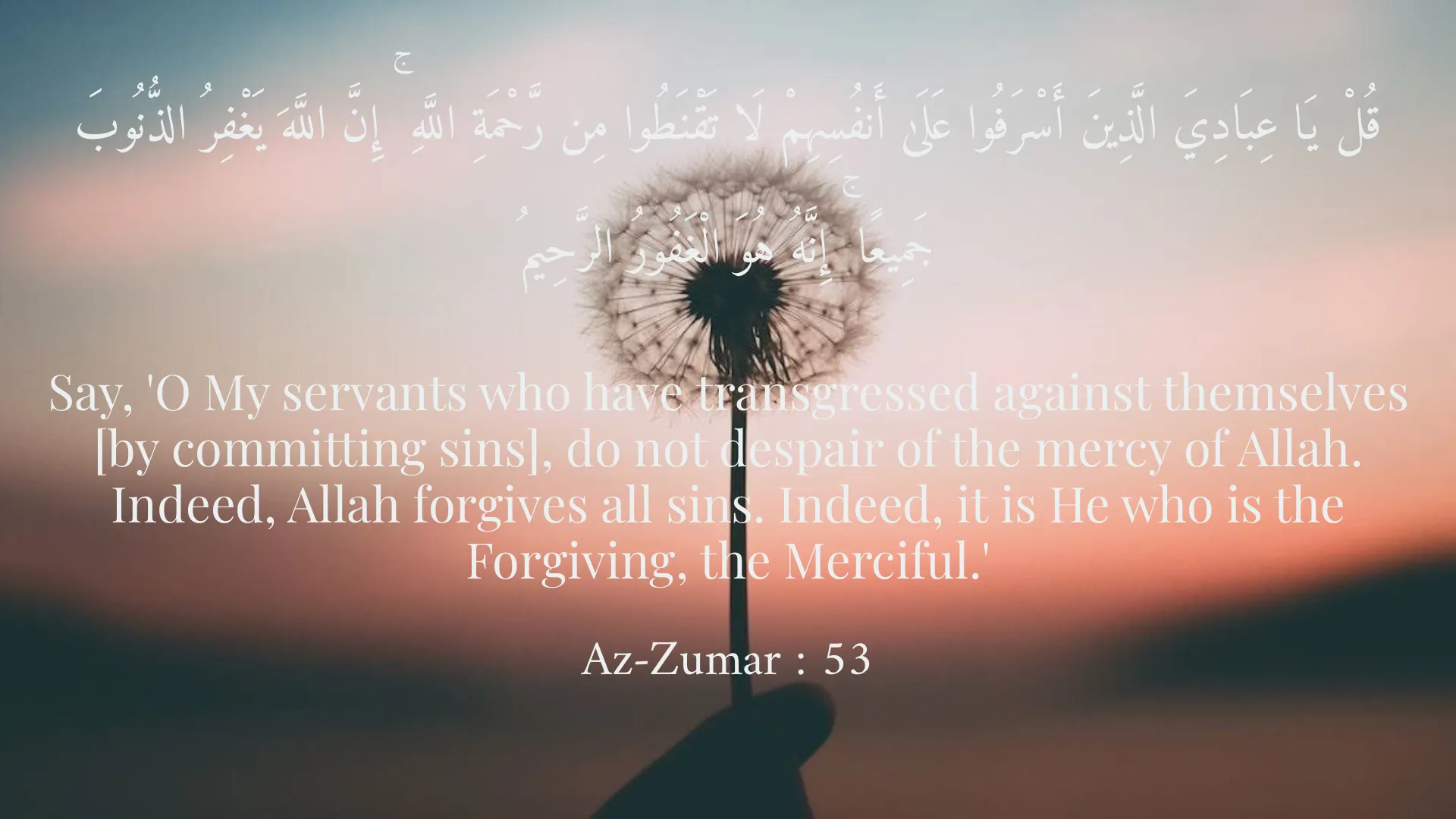
The ability to let go of the past, whether it's bitter or sweet, filled with mistakes or laden with regret, is one of the greatest spiritual and psychological challenges for many individuals. This question deeply intertwines with human nature, which stores memories and is profoundly affected by them. From the perspective of the Holy Quran, although the phrase 'letting go of the past' is not directly mentioned, it provides fundamental principles, concepts, and solutions that ultimately lead to liberation from the shackles of the past and moving towards a brighter future with greater tranquility. These Quranic concepts serve as root remedies for the issues that prevent us from letting go of the past, including regret, sin, loss, fear, and longing. One of the most crucial Quranic concepts that helps us in letting go of the past is 'Tawbah' (repentance). Tawbah means returning from sin to God. The Holy Quran repeatedly emphasizes the importance of 'Tawbah Nasuh' (sincere repentance). When an individual is remorseful for past deeds and this remorse keeps them chained to the past, repentance offers a path to liberation from these bonds. Allah says in the Quran: "Say, 'O My servants who have transgressed against themselves [by committing sins], do not despair of the mercy of Allah. Indeed, Allah forgives all sins. Indeed, it is He who is the Forgiving, the Merciful.'" (Surah Az-Zumar, verse 53). This verse opens a door of hope for those burdened by the weight of past sins. True repentance not only erases sins but also brings peace and spiritual lightness, allowing a person to view the past as a lesson for the future, not an eternal chain. With repentance, a new page in the book of life is opened, providing an opportunity for a fresh start, because Allah's mercy is vast and boundless, and no sin is so great that it cannot be forgiven, unless it is associating partners with Allah, and even then, if one truly repents and returns to Him. Another concept is 'Qadar' (Divine Decree) and 'Tawakkul' (reliance on God). Often, what keeps us bound to the past is regret over what we have lost or events we couldn't prevent. The Quran teaches us that every event in the universe, including misfortunes and losses, is predetermined in the Preserved Tablet and occurs by divine will. Allah states in Surah Al-Hadid: "No disaster strikes upon the earth or among yourselves except that it is in a register before We create it – indeed that, for Allah, is easy – in order that you not grieve over what has eluded you nor exult [in pride] over what He has given you. And Allah does not like every self-deluded and boastful." (Surah Al-Hadid, verses 22-23). These verses remind us not to grieve over what we have missed or exult arrogantly over what we have gained. Accepting the reality that everything is by divine will, and that we can only strive and then entrust the outcome to God, removes the heavy burden of regret and remorse from our shoulders. Tawakkul, or reliance on God, means that after fulfilling our duties, we entrust our hearts to Him, knowing that He is the best Disposer of affairs. This understanding enables us to step out of the confines of the past and move towards the future with peace of mind. If this deep understanding takes root in one's heart and soul, one realizes that much of what held them in the past was, in fact, beyond their will and control, and the only thing they could do was trust in divine providence. This perspective does not mean indifference to what has passed, but rather a wise acceptance of divine destiny and learning from it without falling into the trap of endless regret. 'Sabr' (patience) and 'Shukr' (gratitude) are other key concepts that help us in dealing with the past. Patience means perseverance in the face of difficulties and calamities, and controlling negative emotions. If we have had a past full of pain and suffering, patience gives us the strength to endure those pains and learn from them. The Quran states: "O you who have believed, seek help through patience and prayer. Indeed, Allah is with the patient." (Surah Al-Baqarah, verse 153). Patience, combined with prayer and remembrance of Allah (Dhikr), calms the heart and increases the ability to resist Satan's whispers to dwell painfully on the past. Furthermore, gratitude for present blessings, even the smallest ones, diverts the mind from focusing on past deficiencies and losses, leading it towards hope and constructive action for the future. When a person is grateful, they become aware of their current blessings, and this awareness prevents them from clinging to the negative aspects of the past. This state of gratitude fosters a sense of contentment and satisfaction with divine destiny, which results in liberation from the material and spiritual bonds of the past. Gratitude means understanding that even within the hardships and losses of the past, there were hidden favors and valuable lessons that can now be utilized for growth and development. Finally, focusing on the 'Akhirah' (Hereafter) and the ultimate purpose of creation also plays a significant role in letting go of the past. When a person knows that this worldly life is transient and the main goal is to attain eternal happiness in the Hereafter, the issues and problems of the past in this fleeting world lose much of their significance. Clinging to a past that no longer exists or drowning in regrets related to a temporary world prevents one from moving towards the main goal. The Holy Quran repeatedly emphasizes the impermanence of this world and the importance of the Hereafter. This perspective helps a person learn from the past but not remain imprisoned by it, and instead, invest their energy in building a better future, both in this world and the Hereafter. Aiming for Allah's pleasure and seeking eternal reward provides a powerful motivation to release any negative burdens from the past and move forward. This outlook causes a person to plan for tomorrow, not just an earthly tomorrow, but an eternal tomorrow in the presence of the Lord, instead of worrying about yesterday. This view liberates a person from the captivity of 'what could have been' and 'what didn't happen' and directs them towards 'what should be' and 'what can be built.' In summary, the Quran, through the teachings of repentance, acceptance of divine decree, reliance on God, patience, gratitude, and focus on the Hereafter, provides a comprehensive framework for releasing the grip of the past and living a purposeful and peaceful life in the present and future.
Related Verses
قُلْ يَا عِبَادِيَ الَّذِينَ أَسْرَفُوا عَلَىٰ أَنفُسِهِمْ لَا تَقْنَطُوا مِن رَّحْمَةِ اللَّهِ ۚ إِنَّ اللَّهَ يَغْفِرُ الذُّنُوبَ جَمِيعًا ۚ إِنَّهُ هُوَ الْغَفُورُ الرَّحِيمُ
Say, 'O My servants who have transgressed against themselves [by committing sins], do not despair of the mercy of Allah. Indeed, Allah forgives all sins. Indeed, it is He who is the Forgiving, the Merciful.'
Az-Zumar : 53
مَا أَصَابَ مِن مُّصِيبَةٍ فِي الْأَرْضِ وَلَا فِي أَنفُسِكُمْ إِلَّا فِي كِتَابٍ مِّن قَبْلِ أَن نَّبْرَأَهَا ۚ إِنَّ ذَٰلِكَ عَلَى اللَّهِ يَسِيرٌ
No disaster strikes upon the earth or among yourselves except that it is in a register before We create it – indeed that, for Allah, is easy –
Al-Hadid : 22
لِّكَيْلَا تَأْسَوْا عَلَىٰ مَا فَاتَكُمْ وَلَا تَفْرَحُوا بِمَا آتَاكُمْ ۗ وَاللَّهُ لَا يُحِبُّ كُلَّ مُخْتَالٍ فَخُورٍ
in order that you not grieve over what has eluded you nor exult [in pride] over what He has given you. And Allah does not like every self-deluded and boastful.
Al-Hadid : 23
Short Story
In Sa'di's Gulistan, it is related that a king asked a dervish, "How is it that you have no sorrow and are always joyful?" The dervish replied, "O King, I have detached my heart from the world and everything in it. If I gain something, I consider it a blessing from God and give thanks. And if I lose something, I consider it a trust that has been taken back, and I bear it with patience. So, what cause is there for grief and sorrow? My heart is like water; whatever you pour into it, it accepts and remains clear, because I am neither attached to what exists nor sorrowful over what does not. Whenever you dwell on the past, a window of regret opens for you, and whenever you cling to the future, anxiety finds its way to you. But if you live in the present and entrust your heart to the Creator, you will find eternal peace."